
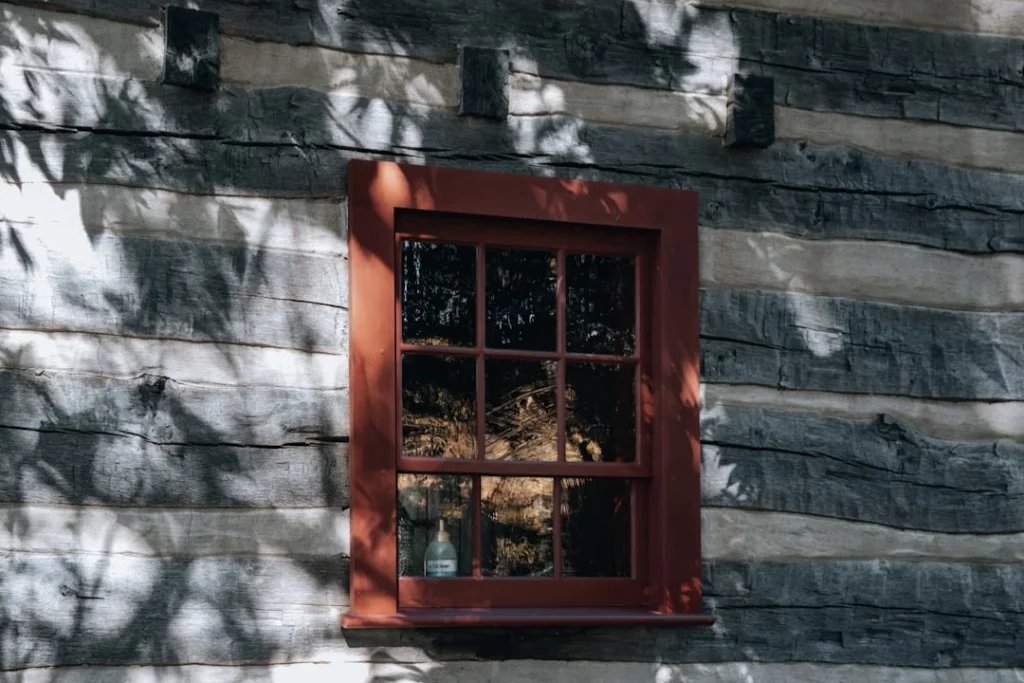
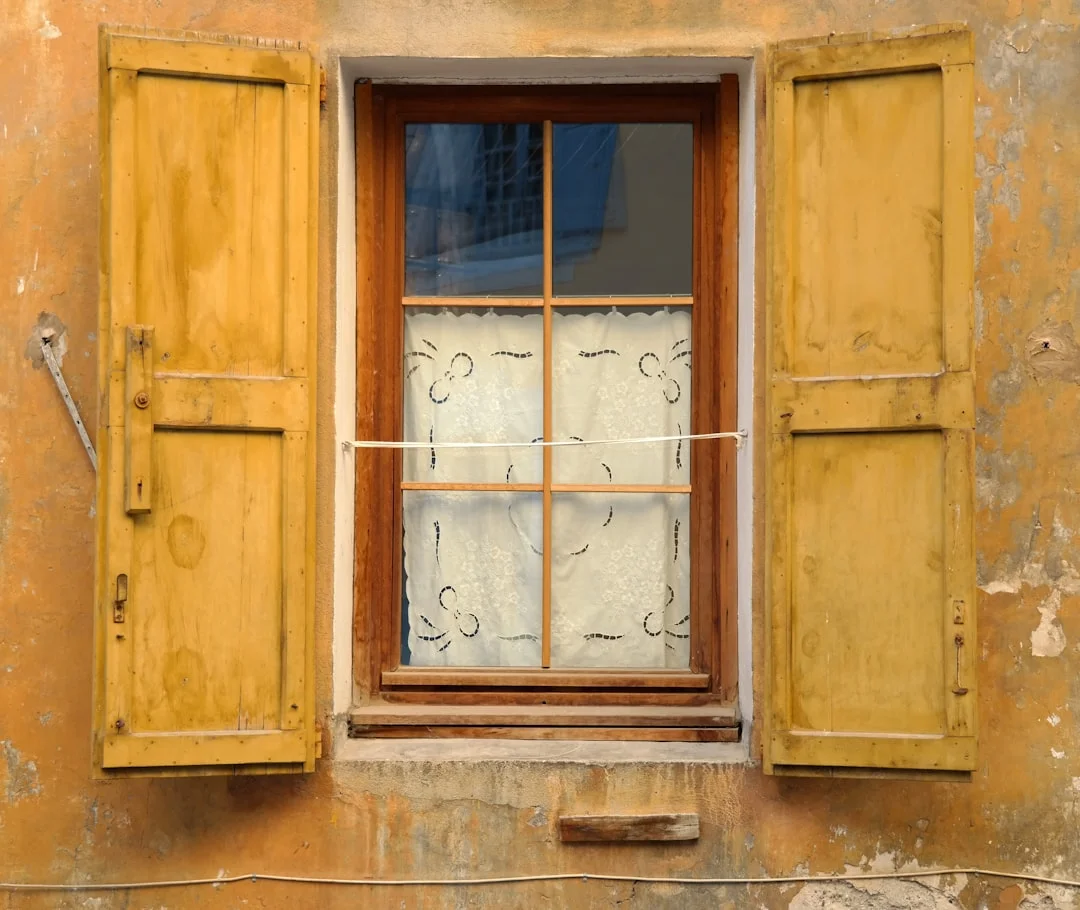
What Is Window Restoration — and Is It Right for Your Home? window restoration historic wood window beautifully restored Window restoration is the process of repairing, refinishing, and weatherproofing original
What Is Window Restoration — and Is It Right for Your Home?
Window restoration is the process of repairing, refinishing, and weatherproofing original windows — rather than tearing them out and replacing them.
Here’s a quick overview of what it involves and why it matters:
| Question | Quick Answer |
|---|---|
| What is it? | Repairing original windows: fixing sashes, replacing glazing, sealing drafts, and refinishing wood |
| Who is it for? | Homeowners with older or historic windows, especially pre-1960 wood windows |
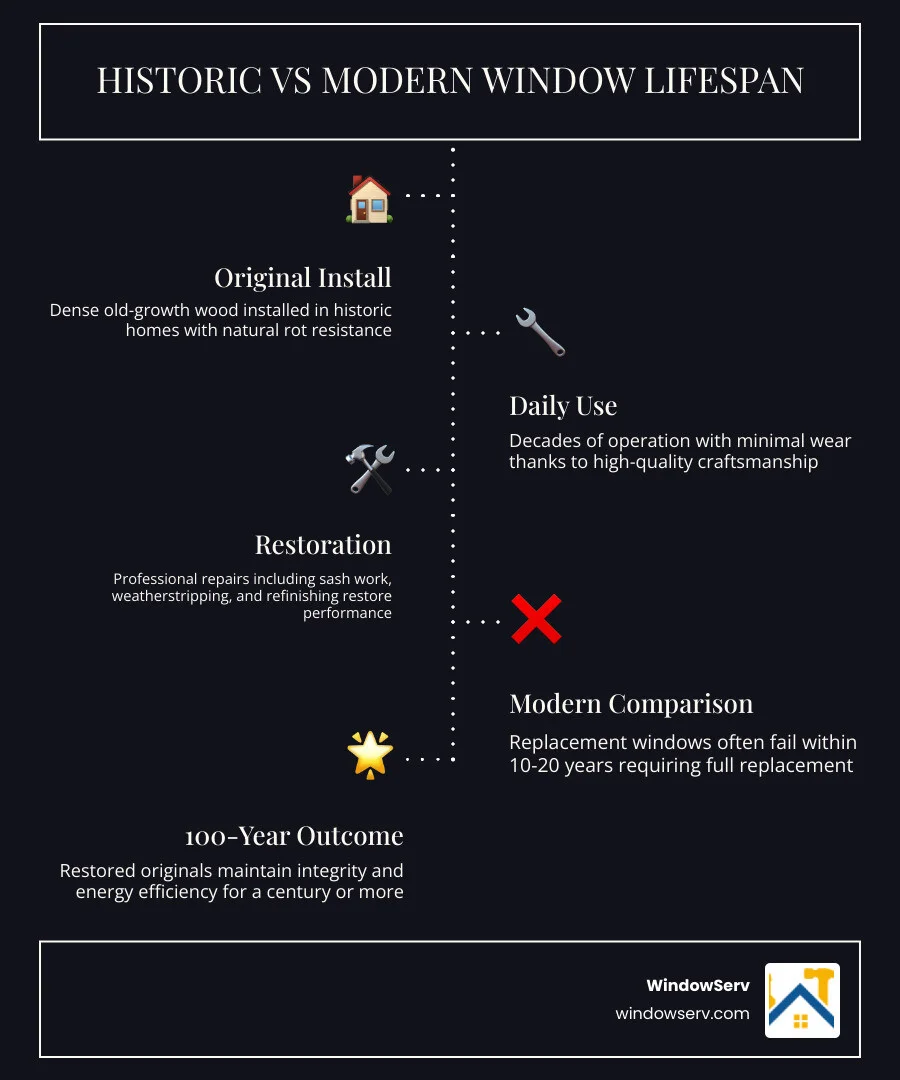
| Why not just replace? | Original old-growth wood can last indefinitely; replacement windows often fail within 10–20 years |
| Can it match new windows on energy? | Yes — restored windows paired with storm windows can meet or exceed modern energy codes |
| How much does it cost? | DIY materials start around $50; professional restoration typically runs $1,000–$2,000 per window |
| How long does it take? | Most full restorations take 6–8 weeks, with only 1–2 days of on-site work |
If you’ve been told your old windows are “shot” and need to be replaced, you may want to think twice. Many issues — broken sash cords, stuck sashes, cracked glazing, even wood rot — are fully repairable. And in many cases, restoring your originals is both more affordable and more durable than starting over.
This is especially true for New Jersey homeowners with older homes. Original windows were built from dense, slow-grown wood that resists decay in ways modern lumber simply can’t match. Throwing them away means losing something that could last another century with the right care.
I’m Feiruz Gabibov, COO of WindoServ, and through overseeing hundreds of window repair and restoration projects across New Jersey, I’ve seen how proper window restoration transforms drafty, deteriorating frames into tight, beautiful, high-performing windows. In this guide, I’ll walk you through everything you need to know to make the right call for your home.
The Benefits of Professional Window Restoration
When we look at a historic home in Montclair or Ridgewood, we don’t just see old windows; we see the highest quality building materials ever produced. Professional window restoration is about more than just aesthetics—it is a commitment to quality that modern manufacturing struggles to replicate.
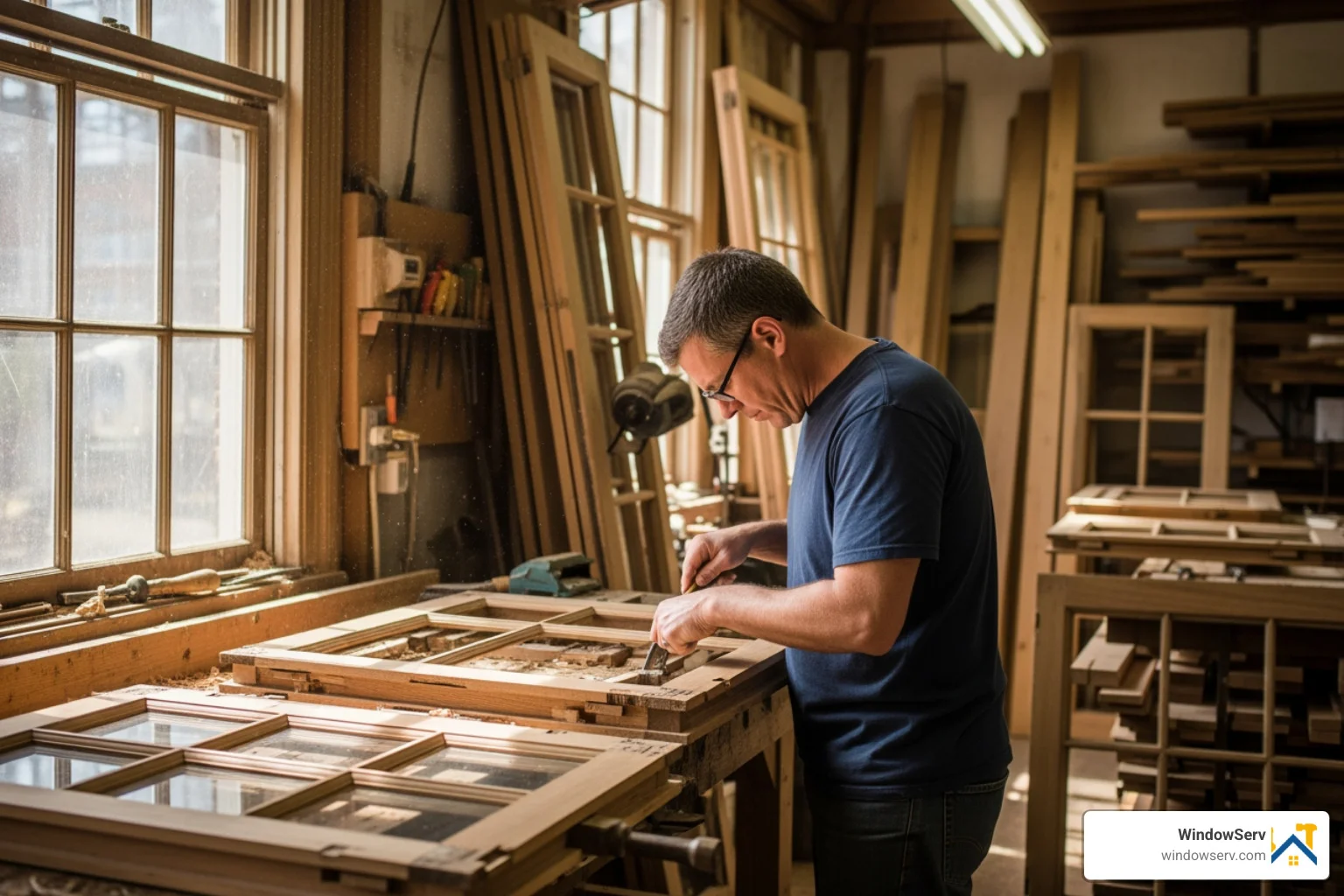
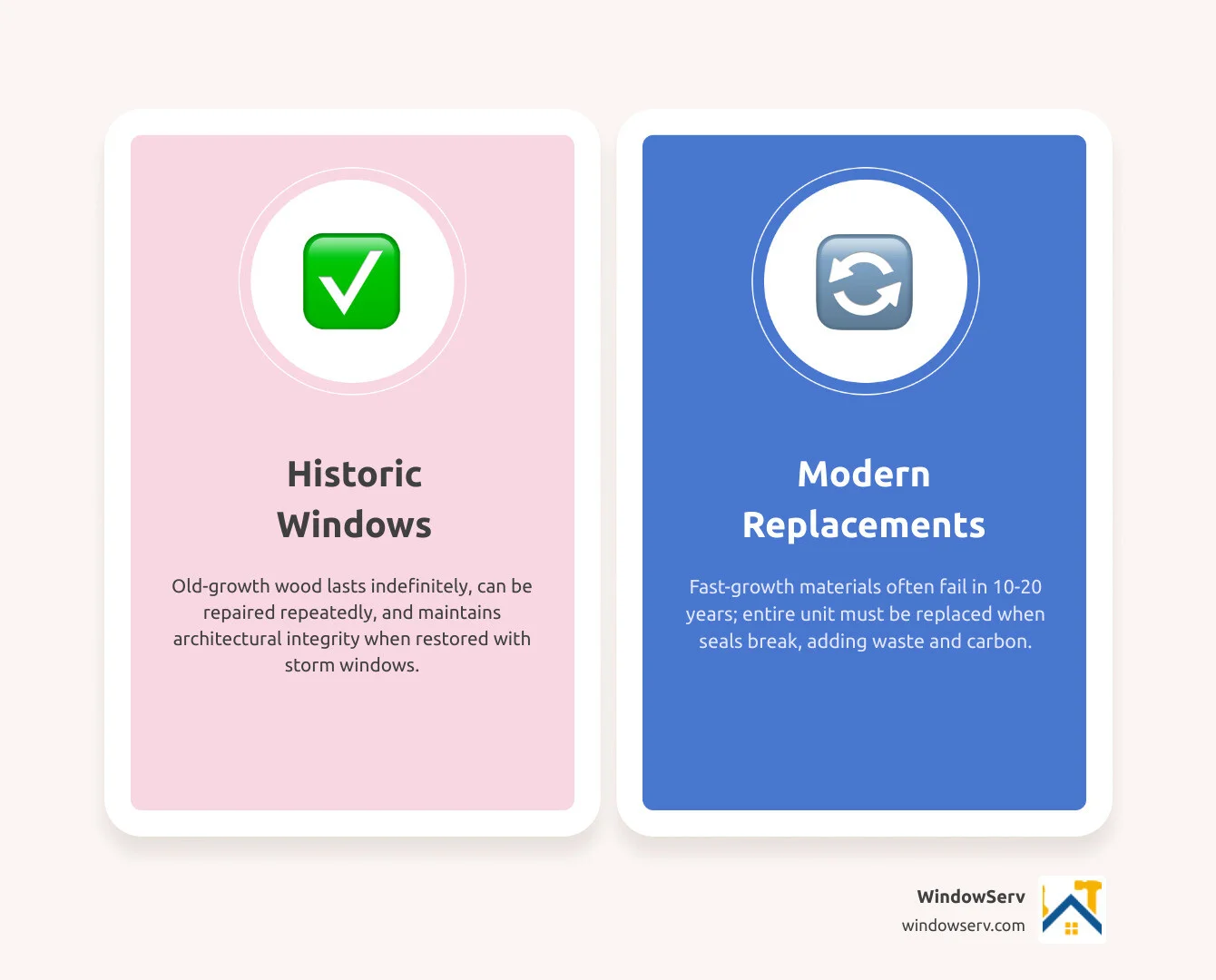
The primary reason we advocate for restoration is the quality of the materials. Pre-1960 windows were typically constructed from old-growth timber. This wood grew slowly in shaded forests, resulting in tight grain patterns that are naturally resistant to rot and pests. Modern “replacement” windows use fast-growth pine that can begin to decay within years if the factory seal is compromised. By choosing a Wood Window Restoration Guide approach, you are keeping a superior product in your home.
Furthermore, original windows were designed to be serviced. Every part—from the glass to the pulleys—can be removed, repaired, and reinstalled. Modern vinyl or composite units are often “disposable”; when the seal fails or a part breaks, the entire unit usually ends up in a landfill. Our Historic Frame Window Restoration services focus on maintaining this architectural integrity while upgrading the window’s performance to May 2026 standards. If you are looking for a comprehensive solution, our Window Restoration Services provide a path to beauty and efficiency without the waste.
Restoring Original Wood Windows for Longevity
The durability of historic windows is legendary. While a double-paned insulated glass unit (IGU) typically lasts only 10 to 20 years before the seals fail and the glass fogs, single-pane glass can last centuries. In fact, the only thing that usually “wears out” on an old window is the sash rope or the paint.
When we perform Wooden Window Refurbishment, we often find high-quality cotton sash ropes, like Samson Spot Cord, that have functioned for over 60 years. By replacing these simple mechanical components and addressing surface issues, we can ensure your windows last another 60 to 100 years. Old-growth wood is so resilient that it can essentially last indefinitely if it is kept painted and glazed.
Environmental Impact and Waste Reduction
From a sustainability standpoint, window restoration is the clear winner. Replacement windows represent a massive carbon footprint—from the energy required to manufacture vinyl and glass to the environmental costs of distribution. When those windows fail in 15 years, the cycle repeats.
By choosing Window Restoration, you are practicing true historic preservation. You prevent high-quality wood from entering New Jersey landfills and avoid the “cycle of obsolescence” inherent in modern window products. It is the ultimate form of recycling: taking a 100-year-old product and making it ready for the next century.
Maximizing Energy Efficiency in Historic Homes
A common myth we hear in places like Summit and Westfield is that old windows are “energy losers.” While a single pane of glass by itself doesn’t offer much insulation, the window system is what matters.
Research shows that a restored historic window, when properly weatherstripped and paired with a high-quality storm window, can actually exceed the 2012 International Energy Conservation Code (IECC) requirements. You can achieve up to 30% energy savings by addressing air infiltration—the real culprit behind high heating bills. For more on this, check out our guide on Repairing Old Wooden Storm Windows. Our Window Restoration and Efficiency protocols ensure your home stays warm in the winter and cool in the NJ summer.
Making Restored Windows Weather-Tight
The “draft” people feel isn’t usually coming through the glass; it’s coming around the edges of the sash. During the restoration process, we install specialized weatherstripping that was never part of the original design.
We often use:
- Spring Bronze: A classic, durable metal strip that creates a tension seal along the sash channels.
- Bulb Seals: Flexible gaskets that compress when the window is closed, sealing the meeting rails and sills.
These Professional Weatherstripping Solutions can reduce drafts by nearly 90%, making your home significantly more comfortable without sacrificing the look of your original windows.
The Role of Storm Windows in Window Restoration
For the ultimate in thermal performance, we recommend custom storm windows. Modern storms are low-profile and can be color-matched to your home, meaning they disappear into the architecture. Using materials like Accoya wood—a modified timber with a 50-year warranty against rot—we can create Storm Window Repair and Installation setups that provide an extra layer of insulation and protect your restored sashes from the elements.
Technical Execution and Structural Repairs
Restoring a window is a meticulous, step-by-step process that requires both patience and the right tools. We don’t just slap on a new coat of paint; we strip the window down to its “bones” to ensure a lasting repair.
Step-by-Step Window Restoration Process
The professional process for window restoration generally follows this path:
- Extraction: We carefully remove the interior stops and parting beads to release the sashes. In many Hoboken or Jersey City brownstones, windows are “painted shut,” requiring us to score the paint lines precisely to avoid splintering the wood.
- Deglazing: We use a steam box or infrared heat to soften 100-year-old glazing putty. This allows us to remove the glass without breaking it (though we always expect a small percentage of glass loss on older jobs).
- Paint Removal: Once the glass is out, we strip the wood back to its original state. This reveals any hidden rot.
- Wood Stabilization: If we find rot, we don’t necessarily replace the whole sash. We use Window Wood Rot Repair techniques involving two-part epoxies (like Abatron) to consolidate soft wood and rebuild missing sections. For severe damage, we perform Rotten Window Frame Repair using matching old-growth lumber.
- Priming and Glazing: The wood is primed with oil-based primer. Then, the glass is “bedded” in fresh Sarco putty and secured with glazing points.
- Curing and Painting: The putty must cure (usually 3–14 days depending on the product) before it is painted. This ensures a watertight seal.
This Window Refurbishment Process results in a sash that looks and functions like new.
Handling Lead Paint and Safety Protocols
Because most windows built before 1978 contain lead paint, safety is our top priority. For DIYers, this means wearing a P100 or N100 respirator and using HEPA-filtered vacuums. Professionally, we follow strict EPA RRP (Renovation, Repair, and Painting) guidelines.
We use 6-mil plastic to contain the work area and avoid high-heat guns that can vaporize lead. Instead, we favor steam or low-heat infrared tools. Cleanliness is vital; we use TSP (trisodium phosphate) washes to ensure no lead dust remains in your home. Our Safe Restoration Practices protect both our craftsmen and your family.
Frequently Asked Questions about Window Restoration
How long does the window restoration process usually take?
A full, professional window restoration project typically takes between 6 to 8 weeks. However, this doesn’t mean your home is an open construction zone for two months. We usually spend 1–2 days on-site removing the sashes and “boarding up” the openings with secure, weather-tight panels. The actual restoration work happens in our climate-controlled shop. Once the sashes are cured and painted, we return for another 1–2 days to reinstall and tune the windows.
What are the costs of DIY vs. professional window restoration?
There is a significant price gap here, largely due to the labor-intensive nature of the work.
- DIY: If you have the tools and the time, you can restore a window for about $50 in materials (putty, paint, and sash cord). It is an incredibly rewarding project, but expect to spend 20–40 hours per window as a beginner.
- Professional: A professional restoration in New Jersey typically costs between $1,000 and $2,000 per window. While this is an investment, it offers a much higher long-term ROI than replacement windows, which will need to be replaced again in 15 years. You can learn more about the Window Restoration Value here.
Can painted-shut or rotted windows be saved?
Absolutely. In fact, most of the windows we restore in places like Livingston and Paramus are currently painted shut or have some degree of rot. Painted-shut windows usually just have “mechanical failure”—the paint is acting as an adhesive. Once we strip the jambs and sashes, they slide smoothly again. Even significant rot can be addressed through our Wood Rot Solutions, where we use restoration-grade carpentry to replace only the damaged wood, preserving the rest of the historic sash.
Conclusion
Window restoration is more than just a home improvement project; it’s an investment in the history and future of your home. By choosing to restore rather than replace, you are opting for superior materials, better long-term value, and a smaller environmental footprint.
At WindowServ, we are proud to be New Jersey’s local experts in preserving the architectural heritage of our communities—from Bergen to Monmouth County. Whether you are in a historic district in Hoboken or a classic suburban home in Summit, our team is dedicated to providing comprehensive solutions that save your original frames while delivering up to 30% energy savings.
We stand behind our work with a satisfaction guarantee, ensuring your windows are beautiful, functional, and weather-tight for decades to come. Ready to bring your original windows back to life? More info about window restoration services is just a click away. Contact us today to schedule your evaluation and see why restoration is the smartest choice for your New Jersey home.