
Early-1900s wavy glass can often be saved with edge-stabilizing resin instead of replaced, preserving its authentic ripple and bubble texture while stopping a crack from spreading.
Preserving the Glass That Makes Your Windows Original
A single crack doesn’t have to mean losing the wavy, bubble-flecked glass your early-1900s windows have carried for over a century. Our glaziers specialize in window glass replacement that respects original material whenever a pane can be stabilized, and sources true reclaimed period glass when it can’t be saved.
A Glazing Practice Built Around Salvage, Not Substitution
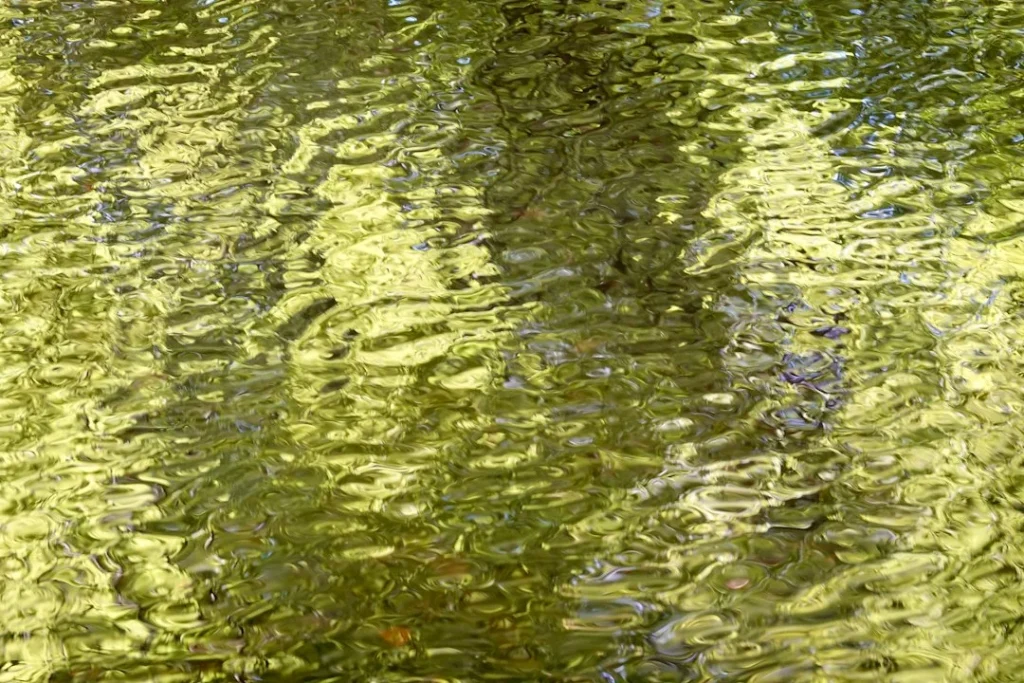
Most glass shops treat a cracked pane as a disposal problem. Pull it, measure it, order a flat piece of modern float glass, and move on. That approach works fine on a 1995 colonial, but it destroys something irreplaceable on a 1905 brownstone or farmhouse sash, because the subtle waviness, the faint bubbles, and the slightly uneven thickness of hand-cylinder or crown glass cannot be reproduced by any modern manufacturing process. We built our repair process specifically to avoid that outcome whenever a pane has real salvage value.
Matching Glass by Sourcing, Not Guessing
We maintain working relationships with several architectural salvage yards and glass reclamation suppliers across the region, and we keep an internal inventory of period panes pulled from demolitions, barn teardowns, and sash replacements where the glass itself was still sound. When a customer’s original pane is too far gone to stabilize, we don’t hand them a catalog of modern “restoration glass” imitations. We physically compare candidate reclaimed panes against the surviving panes in the same sash, checking ripple direction, bubble density, and thickness under raking light, because a mismatched pane sitting next to three original ones is often more visually jarring than a single piece of plain modern glass would be.
Edge-Stabilizing Resin Instead of Automatic Removal
A hairline crack in old glass is frequently salvageable without removing the pane at all. We use a low-viscosity, UV-curing glazier’s resin that wicks into the crack by capillary action, fills the fracture plane, and cures clear and hard within minutes under a handheld UV lamp. The resin bonds the crack edges and restores most of the pane’s structural integrity, stopping the crack from migrating under thermal stress or sash movement. Where the crack reaches the edge of the pane, we also apply an edge-stabilizing bead along the rabbet line before re-bedding the glass in fresh glazing putty, which prevents vibration from reopening the fracture at its weakest point. This method is explained in more depth, including which crack patterns respond well to it, in our companion piece on beginner window glass replacement mistakes, since rushing straight to removal is one of the most common errors homeowners and even some contractors make.
Documentation Before Any Pane Comes Out
Before any original glass leaves a sash, we photograph it in place, front and back, under both flat and raking light, and record its approximate thickness and ripple orientation. If the pane turns out to be unsalvageable, that documentation becomes the reference we use to source or fabricate a visual match, and it also gives homeowners in historic districts a paper record for preservation commission reviews, which several of our municipalities require before any glazing work on a street-facing elevation.
Training Your Team to Handle Pre-1940 Glass Safely
Modern glaziers are trained to move fast on tempered and insulated glass units, which is the opposite of what century-old glass needs. Our technicians who handle these jobs go through a separate internal training track focused specifically on hand-cylinder and crown glass identification, suction-cup handling to avoid flex-cracking during removal, and compatible glazing compounds that won’t off-gas or shrink against old wood muntins the way modern silicone sealants can.
A Track Record Across Period Housing Stock
We’ve applied this same salvage-first process on brownstone sashes in Hoboken, where original divided-light windows are common and tightly regulated, as detailed in our Hoboken brownstone glass repair case notes, and on Foursquare and Victorian homes further inland, covered in our piece on repairing broken glass in Montclair historic homes. The lessons from both carry directly into this guide, because the underlying glass, resin behavior, and sourcing challenges are the same regardless of the exact architectural style.

Marcus Feld
is WindowServ’s lead glazier and has spent eighteen years repairing and restoring pre-1940 wood sash windows throughout northern New Jersey. He trained under a third-generation glazier in Jersey City before joining WindowServ, and he now oversees the company’s historic glass program, including its salvage sourcing relationships and resin stabilization training. Marcus has personally handled cracked pane repairs on brownstones, farmhouses, and Victorian-era homes across Hudson and Essex County, and regularly consults with local historic preservation commissions on acceptable glazing methods for landmark properties.
Why This Matters So Much in Northern New Jersey
Walk down almost any street in Hoboken, Montclair, Jersey City Heights, or the older sections of Newark and you’ll find blocks of brownstones, Foursquares, and Queen Anne homes built roughly between 1890 and 1925, many still holding their original divided-light sashes. This is one of the densest concentrations of pre-1930 residential glass remaining anywhere in the metro New York area, and it’s a direct result of the region’s building boom during the streetcar suburb era, when cylinder and crown glass were the standard glazing materials long before float glass manufacturing existed.
That housing stock creates a specific set of pressures on anyone repairing a cracked pane here. Hudson and Essex County both include historic districts, and in several of them, including large portions of Hoboken and parts of Montclair, exterior-facing window replacements require approval from a local historic preservation commission before work begins. Commissions generally don’t object to interior-facing resin repairs that leave the original glass in place, but a full pane swap to modern glass on a street-facing elevation can trigger a review process, added paperwork, and sometimes a denial if the replacement glass doesn’t visually match. That’s precisely the situation our salvage-matching and resin-stabilization methods are designed to avoid, since keeping the original pane in place sidesteps the review question entirely in most cases.
Climate is the other factor driving crack formation in the first place. Northern New Jersey goes through roughly 90 to 100 freeze-thaw cycles each winter, and older single-pane glass, set in wood muntins that have shrunk and swelled for a hundred-plus winters, has very little flex tolerance left. A sash that racks even slightly during a cold snap transfers stress directly into the glass, and old glazing putty that has hardened and lost its elasticity no longer cushions that movement the way it did when it was first applied. We see a clear seasonal pattern in our repair calls, with a sharp rise in cracked-pane reports every January and February as overnight temperatures swing widely, and again in late summer when humidity swells the wood and tightens already-stressed glass against hardened putty.
Coastal exposure adds a second layer to this in towns like Hoboken and Jersey City, where salt air off the Hudson accelerates corrosion on the thin metal glazing points that hold panes in place from behind. When those points rust through, a pane loses its mechanical support on one or two sides, and what starts as a stress crack from thermal movement becomes a loose pane that chips at the edges every time the sash is opened. Part of a proper resin-stabilization job in this region always includes replacing degraded glazing points, not just filling the crack itself, because resin alone won’t hold a pane that has lost its physical support.
Further inland in towns like Paramus, the building stock shifts toward mid-century ranch homes built mostly in the 1950s and 60s, where original glass is usually plate glass rather than true hand-cylinder glass, and the repair calculus is different, as we’ve laid out separately in our guide to cracked window glass repair for Paramus ranch homes. But across the older municipalities along the Hudson and in the Essex County hills towns, the combination of historic district rules, severe freeze-thaw cycling, and a real supply of matching reclaimed glass in regional salvage yards is exactly why a salvage-first, resin-first repair approach makes practical and financial sense here, not just an aesthetic one.
Get a Straight Answer on Your Cracked Pane
Not sure whether your cracked pane can be saved or needs full replacement? Our glaziers inspect the crack line, the edge condition, and the glass’s age before recommending anything. We’ll tell you honestly whether resin stabilization will hold for years or whether sourcing matched reclaimed glass is the better long-term move. Request your free quote and we’ll send a technician who has handled hundreds of early-1900s panes to take a look.