
What Fixing Foggy Double Pane Windows Actually Involves Fixing foggy double pane windows is something most New Jersey homeowners will need to deal with at some point — and the
What Fixing Foggy Double Pane Windows Actually Involves
Fixing foggy double pane windows is something most New Jersey homeowners will need to deal with at some point — and the good news is there are real solutions.
Quick answer: how to fix foggy double pane windows
-
Identify the problem — confirm the fog is between the panes, not on the surface
-
Check your warranty — many windows have 10–20 year seal failure coverage
-
Choose your fix:
-
Defogging (drilling + drying): low cost, temporary, cosmetic only
-
IGU replacement (glass unit swap): restores clarity and insulation, frame stays
-
Sash replacement: good middle-ground if the frame is still solid
-
Full window replacement: best for older or severely damaged windows
-
Call a local pro if you’re unsure — DIY attempts can void warranties or crack tempered glass
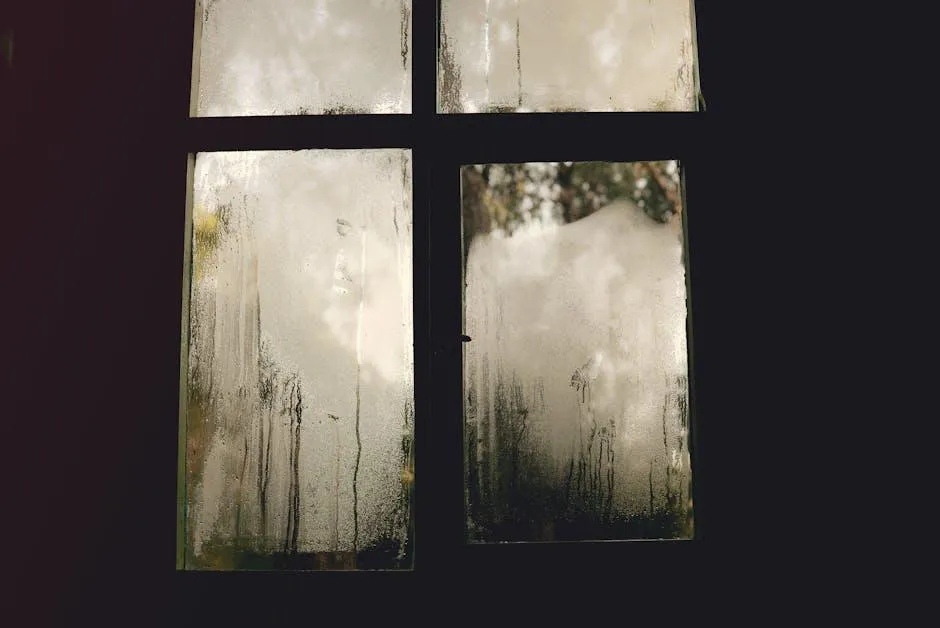
That hazy, milky look between your window panes isn’t just an eyesore. It’s a sign that the airtight seal inside your insulated glass unit (IGU) has failed. Once that seal breaks, the insulating gas escapes, moisture gets in, and the condensation gets trapped where you can’t wipe it away.
Double-pane windows are designed to last 10 to 20 years. But New Jersey’s freeze-thaw winters and humid summers put extra stress on window seals — so it’s very common to see this problem in older homes across the state.
The fog itself won’t go away on its own. But with the right repair approach, your windows can look clear again — and in most cases, perform close to their original efficiency.
Understanding Why Window Seals Fail
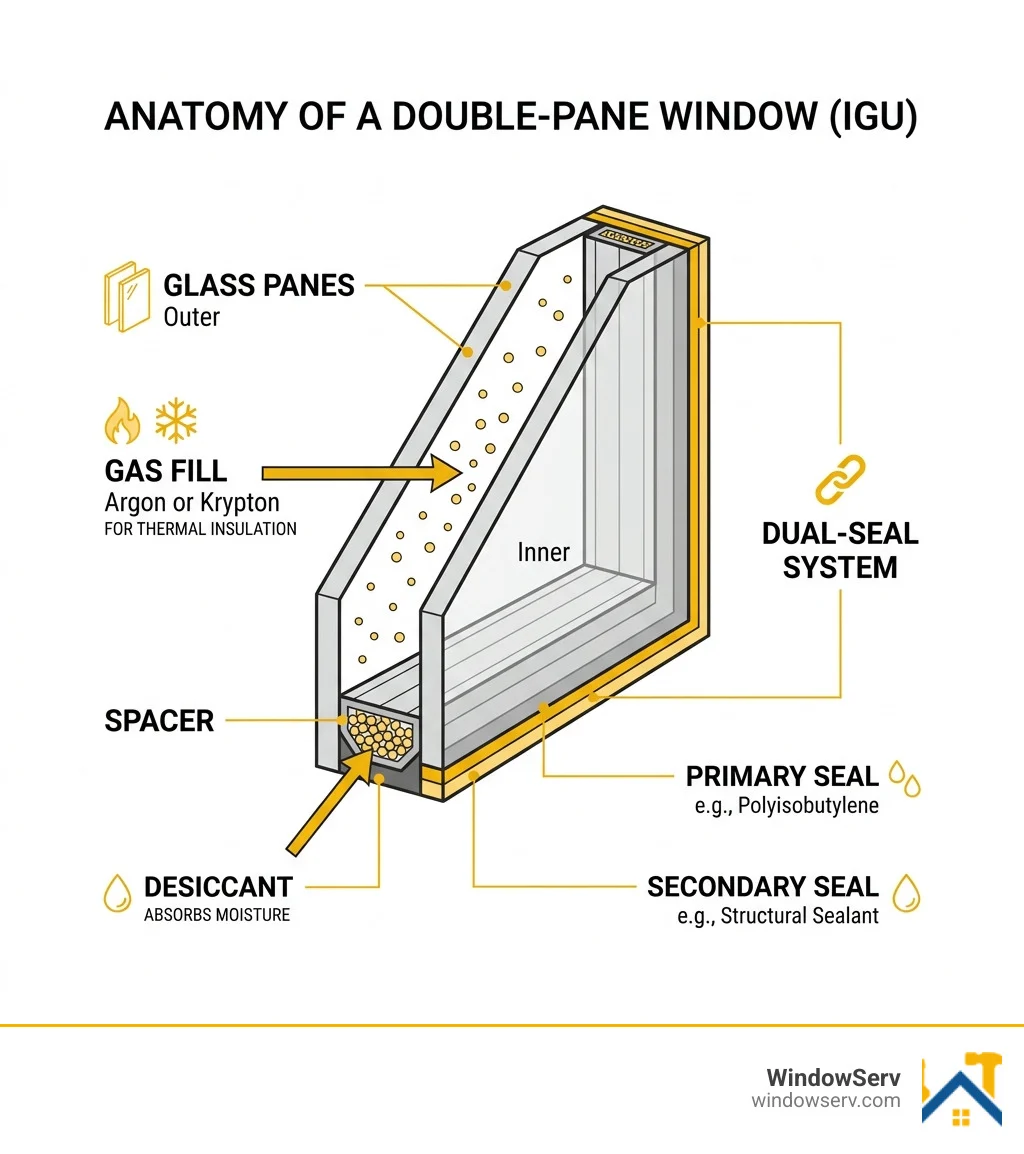
To understand how we go about fixing foggy double pane windows, we first have to understand why they fail in the first place. Think of your window as a sandwich. The “bread” is the two panes of glass, and the “filling” is a spacer filled with desiccant (moisture-absorbing beads) and an insulating gas like argon.
The primary culprit behind a cloudy window is seal failure. Modern IGUs use a dual-seal system: an inner seal made of polyisobutylene for moisture protection and an outer seal for structural strength. Despite this double protection, nature eventually wins.
The Science of “Thermal Pumping”
In New Jersey, our windows take a beating. From the scorching sun in Livingston to the freezing winds in Paramus, temperature swings cause the air or gas between the panes to expand and contract. This is called thermal pumping.
Over time, this constant movement puts immense pressure on the seals. Eventually, tiny micro-fractures develop. Once the seal is compromised, the argon gas—which is heavier than air and provides your insulation—begins to leak out. According to the International Association of Certified Home Inspectors, all IGUs naturally lose about 1% of their gas annually, even with intact seals. Once the seal fully fails, that leakage accelerates.
Desiccant Saturation
Inside the spacer of your window, there are desiccant beads designed to soak up any trace amounts of moisture. However, once the seal breaks, a constant stream of humid New Jersey air enters the unit. Eventually, the desiccant becomes “saturated”—it simply can’t hold any more water. That’s when you start seeing the fog, which is actually liquid water condensing on the glass.
If left unaddressed, this moisture can lead to permanent mineral deposits (silica haze) that look like white streaks. At this stage, professional Window Restoration is necessary to bring back the view. For more on the mechanics of this failure, How to Repair Fogged Windows in Your Home – This Old House offers a great deep dive into the technical side.
Identifying Between-Pane Moisture vs. Surface Fog
Before you panic and assume you need a full replacement, we always recommend a simple “wipe test.” Not all fog is created equal!
-
Interior Surface Fog: If you can wipe the fog away with your finger from inside the house, your seals are likely fine. This usually means your indoor humidity is too high (common in kitchens or bathrooms).
-
Exterior Surface Fog: If the condensation is on the outside, it actually means your windows are doing a great job! It happens when the glass is colder than the dew point outside.
-
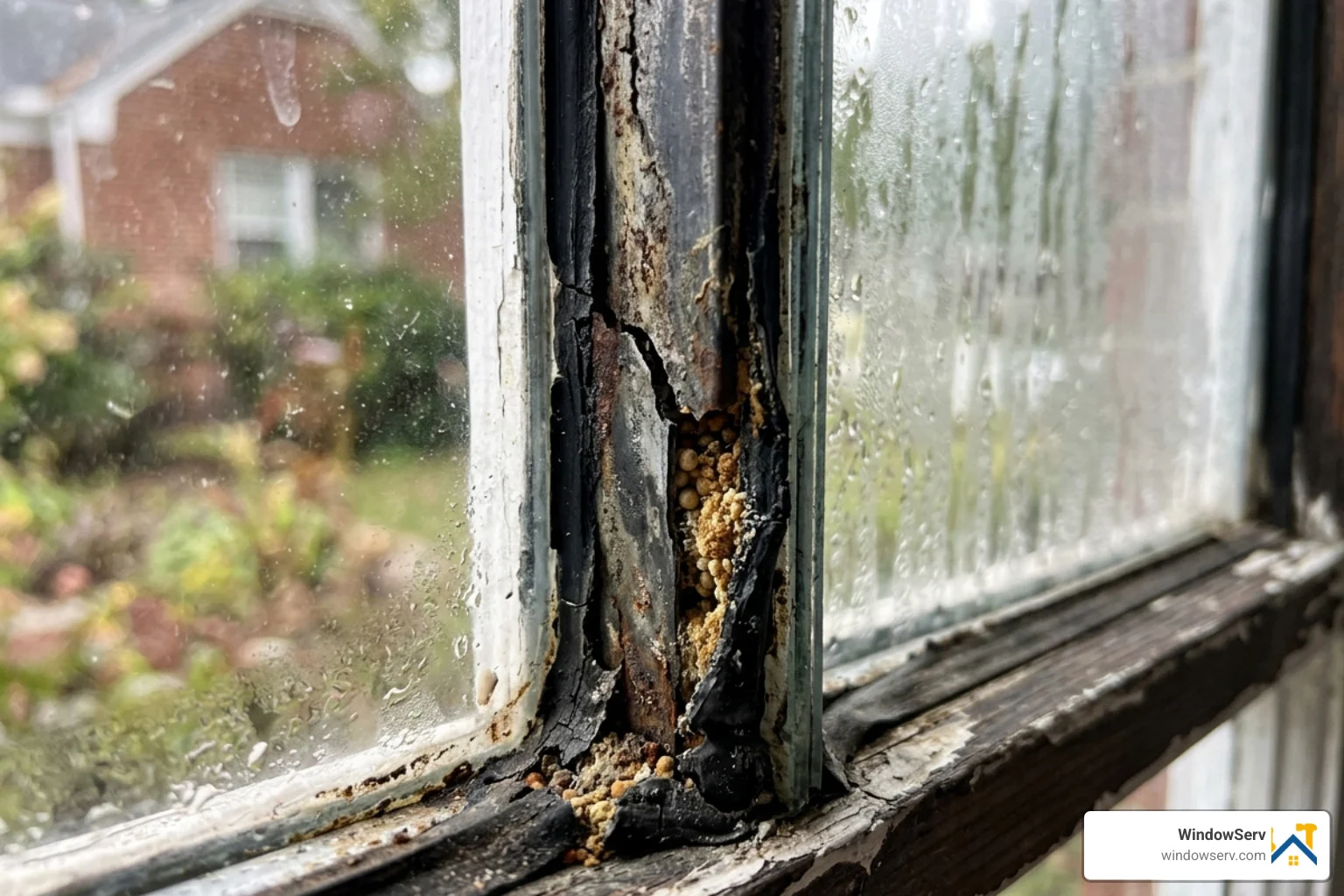
Between-Pane Moisture: If you wipe both the inside and outside and the fog remains “trapped” in the middle, you have a seal failure.
Other signs include visual distortion (the view looks “wavy”), rainbow-like patterns on the glass, or milky streaks that don’t disappear when the sun comes out.
The Role of Climate and Installation
Living in the Northeast means our windows face unique challenges. The freeze-thaw cycles in places like Ridgewood and Montclair act like a slow-motion crowbar, prying at your window seals every winter.
Installation errors are also a major factor. If a window wasn’t leveled correctly or if the “weep holes” (the tiny drainage tracks at the bottom of the frame) are clogged, water can pool against the seal. This standing water eventually rots the seal from the outside in. We also see many failures caused by high-pressure washing. While it’s tempting to blast your siding clean, that pressure can easily blow right through a window seal. Understanding the components of Insulated Glass Units can help you spot these issues early.
Professional Methods for Fixing Foggy Double Pane Windows
When it comes to fixing foggy double pane windows, we generally look at three professional paths. Each has its own place depending on the age of your windows and your budget.
1. IGU Replacement (The “Glass-Only” Fix)
This is often the smartest and most cost-effective solution. Instead of ripping out the entire window frame—which involves disturbing your siding and interior trim—we simply remove the failed glass unit and install a brand new, factory-sealed IGU.
This method preserves your original frames, which is a huge plus for historic homes in Summit or Tenafly. It restores 100% of the window’s clarity and thermal performance. You can learn more about this on our Double Pane Window Repair and Replacement page.
2. Defogging (The Cosmetic Fix)
Defogging is a process where a technician drills tiny holes into the glass to “vent” the moisture. While this can clear the view, it’s important to know that it does not “fix” the seal. The insulating gas is gone, and you’re essentially turning a double-pane window into a single-pane window with a vent. It’s a great cosmetic option if you’re selling a home and need a quick fix, but it won’t save you much on energy bills.
3. Full Sash Replacement
If the glass is foggy and the wooden or vinyl “sash” (the part that moves) is also damaged or rotting, we might replace the entire sash. This is still cheaper than a full window replacement and is a common DIY-friendly professional fix. For more details, check out our guide on Window Glass Replacement.
The Step-by-Step Process for Fixing Foggy Double Pane Windows
If you opt for professional defogging, the process is quite surgical. Here is how it typically goes down:
-
Drilling: We drill tiny, almost invisible holes (usually 1/8 inch) in the corners of the outer pane.
-
Cleaning: A cleaning solution (often containing alcohol or vinegar) is injected to wash away the “milky” residue and mineral deposits.
-
Drying: A drying agent is used to expel any remaining moisture. In some cases, a dehumidifier is placed nearby to speed up the process.
-
Venting: Small, one-way “breather” valves or vents are installed in the holes. These allow the window to “breathe” out moisture in the future without letting bugs or dust in.
-
Sealing: The holes are sealed with a clear, weatherproof silicone.
While this process can be effective for visibility, many experts at Fogged Window Repair Solutions – The Spruce note that it doesn’t restore the original R-value of the window because the argon gas is not replaced.
When to Choose Sash Replacement Over Full Window Repair
Sometimes, the glass isn’t the only problem. If you live in an older home in Jersey City or Hoboken, you might find that your window doesn’t slide easily or the frame itself is warped.
In these cases, a sash replacement is the way to go. You get a brand-new IGU already installed in a brand-new sash. This is a great middle-ground because:
-
It’s easier than replacing just the glass (no messy sealants).
-
It fixes mechanical issues like broken balances or locks.
-
It’s significantly cheaper than a full-frame Window Repair.
Comparing Repair Options: IGU Replacement vs. Defogging
Choosing the right method for fixing foggy double pane windows often comes down to a balance of cost versus performance.
Feature Defogging (Drill & Fill) IGU Replacement (Glass Swap) Full Window Replacement Primary Goal Cosmetic Clarity Restore Efficiency & Clarity Complete Upgrade Typical Cost $75 – $200 per unit $150 – $350 per unit $750 – $1,200+ per unit Energy Efficiency Low (Gas is not replaced) High (New gas & Low-E) Maximum Longevity 1 – 5 years (Temporary) 10 – 20 years 20+ years Time to Complete 1 hour 1 – 2 weeks (for custom glass) 1 day
As you can see, IGU replacement is often the “sweet spot” for New Jersey homeowners. It provides the thermal benefits of a new window without the high price tag. For a broader look at these options, How to Fix Foggy Windows in Your Home | Angi provides excellent third-party cost comparisons.
Cost-Benefit Analysis of Fixing Foggy Double Pane Windows
When we talk about “cost,” we have to look at more than just the repair bill. A foggy window is a leaky window. When the seal fails, your HVAC system has to work harder to combat the “thermal bridge” created by the moisture-filled air.
By opting for a professional IGU replacement, homeowners can see up to 30% energy savings on their monthly bills. In a climate like ours—where we run the AC all July and the furnace all January—that adds up fast. Most of our clients in Westfield and Summit find that the repair pays for itself in energy savings within just a few years. If your frames are truly beyond help, then a full Window Replacement might be the necessary path for long-term ROI.
DIY Risks and Warranty Considerations
We love a good DIY project as much as anyone, but fixing foggy double pane windows is one area where caution is required.
-
Tempered Glass: Many windows (especially near doors or floors) are made of tempered glass. If you try to drill a hole in tempered glass, the entire pane will instantly shatter into thousands of tiny pieces.
-
Voiding Warranties: Most high-quality windows come with a 10 to 20-year warranty on the seals. If you drill into the glass or attempt a DIY repair, you will almost certainly void that warranty. Always check with the manufacturer first!
-
Safety: Handling broken glass and high-strength sealants requires proper safety gear, including goggles, cut-resistant gloves, and respiratory protection.
Long-Term Prevention and Maintenance Strategies
Once you’ve invested in fixing foggy double pane windows, you’ll want to make sure they stay clear for the next two decades.
Humidity Control: The 30-50% Rule
The biggest enemy of your window seals is high indoor humidity. We recommend keeping your home’s humidity between 30% and 50%.
-
Use exhaust fans in the kitchen and bathroom.
-
Run a dehumidifier during New Jersey’s humid summer months.
-
Ensure your dryer is vented correctly to the outside.
Routine Inspections and Cleaning
We suggest a quick “window walk-through” every spring and fall.
-
Check the Caulking: Look for cracks or gaps in the sealant around the outside of the frame.
-
Clear the Weep Holes: Use a small wire or a can of compressed air to make sure the drainage holes in the bottom of the frame aren’t clogged with dirt or dead bugs.
-
Use Mild Cleaners: Harsh chemicals can actually degrade the rubber seals over time. Stick to mild soap and water and a soft microfiber cloth.
If you notice early signs of moisture, acting quickly can often save you from needing a full Foggy Window Glass Replacement.
Frequently Asked Questions about Foggy Windows
Can foggy windows be fixed without replacing the glass?
Yes, through the defogging process (drilling and venting). However, this is primarily a cosmetic fix. It removes the moisture so you can see outside, but it does not restore the insulating argon gas or the original energy efficiency of the window.
Does fixing the seal restore the window’s original R-value?
Only if you replace the entire IGU. Simply “resealing” a window in place is rarely successful because it’s nearly impossible to remove all the moisture and re-inject the argon gas outside of a controlled factory environment. A new IGU comes factory-sealed with a fresh argon fill, restoring the window’s full thermal performance.
How much does it typically cost to fix a foggy window?
In the New Jersey market, professional defogging usually runs between $75 and $200 per window. A glass-only IGU replacement typically costs between $150 and $350, depending on the size and whether you opt for special coatings like Low-E. Compared to the $750+ cost of a full window replacement, these repairs offer significant savings.
Conclusion
At WindowServ, we believe that a foggy window shouldn’t mean a massive renovation project. Whether you are in Bergen, Essex, or Monmouth County, our team of local NJ experts is dedicated to providing comprehensive solutions that save your original frames and your hard-earned money.
By choosing to fix your seals rather than replace the entire window, you can enjoy up to 30% energy savings and a crystal-clear view of the Garden State. Don’t let a failed seal dim your home’s potential. Fix your foggy windows today and see the difference that professional restoration can make.