
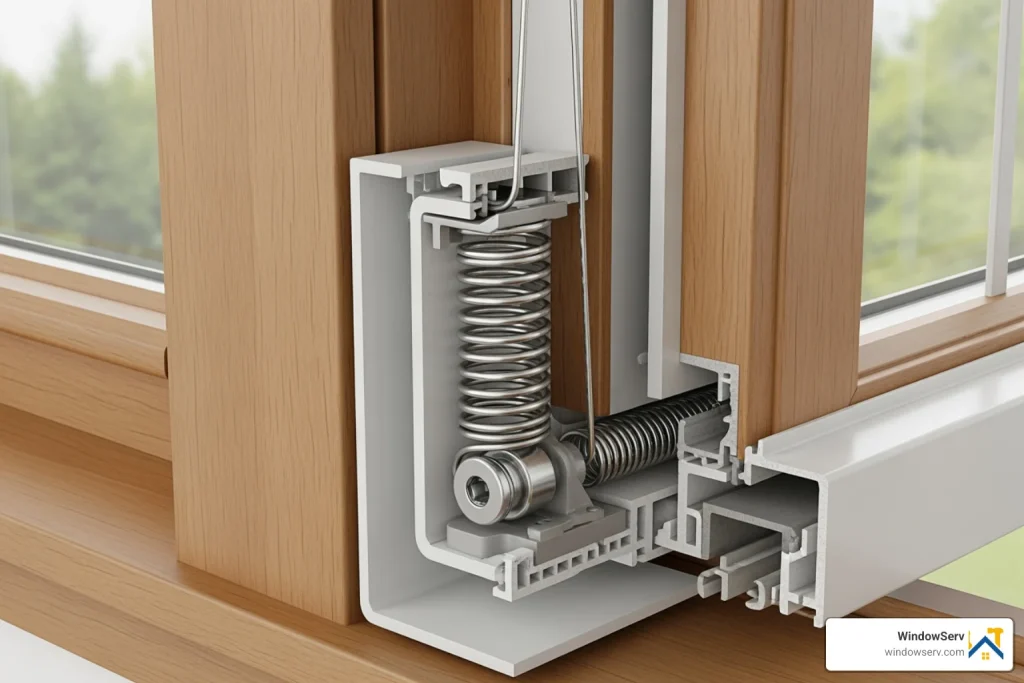
Understanding Anatomy and Diagnosing Common Failures Diagram of a window jamb liner and balance system showing the internal spring mechanism To master double hung window sash repair, we first need
Understanding Anatomy and Diagnosing Common Failures
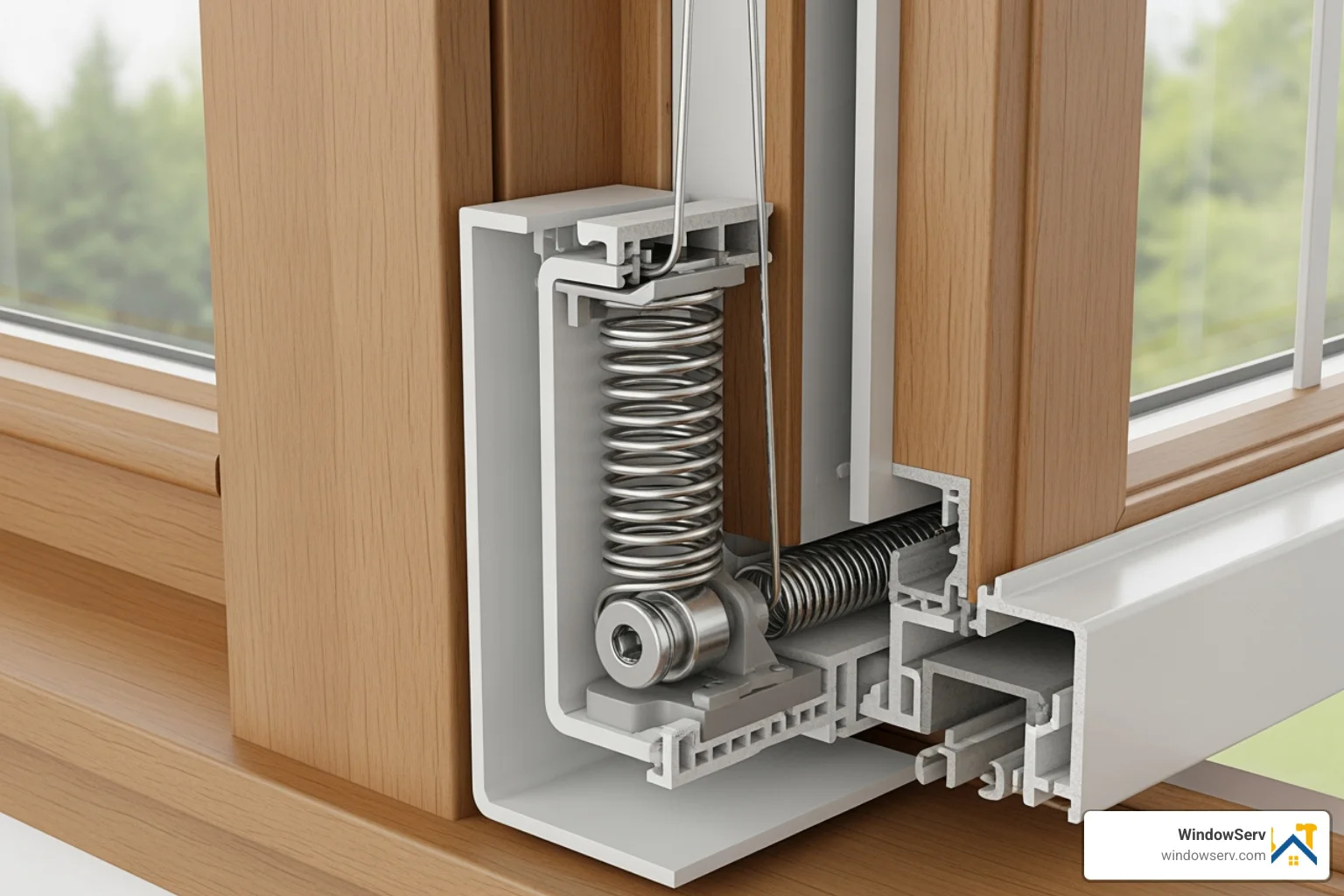
To master double hung window sash repair, we first need to understand that a window is more than just glass and wood. It is a machine with moving parts. A double-hung window consists of two sashes (the frames holding the glass) that slide vertically within the window frame.
The frame is the “box” installed into your wall. The head is the very top horizontal part, while the stool (often called the windowsill) is the bottom horizontal piece. Inside the side jambs, you will find jamb liners—the tracks that the sashes slide in—and the balance system, which acts as a counterweight so the window doesn’t crash down.
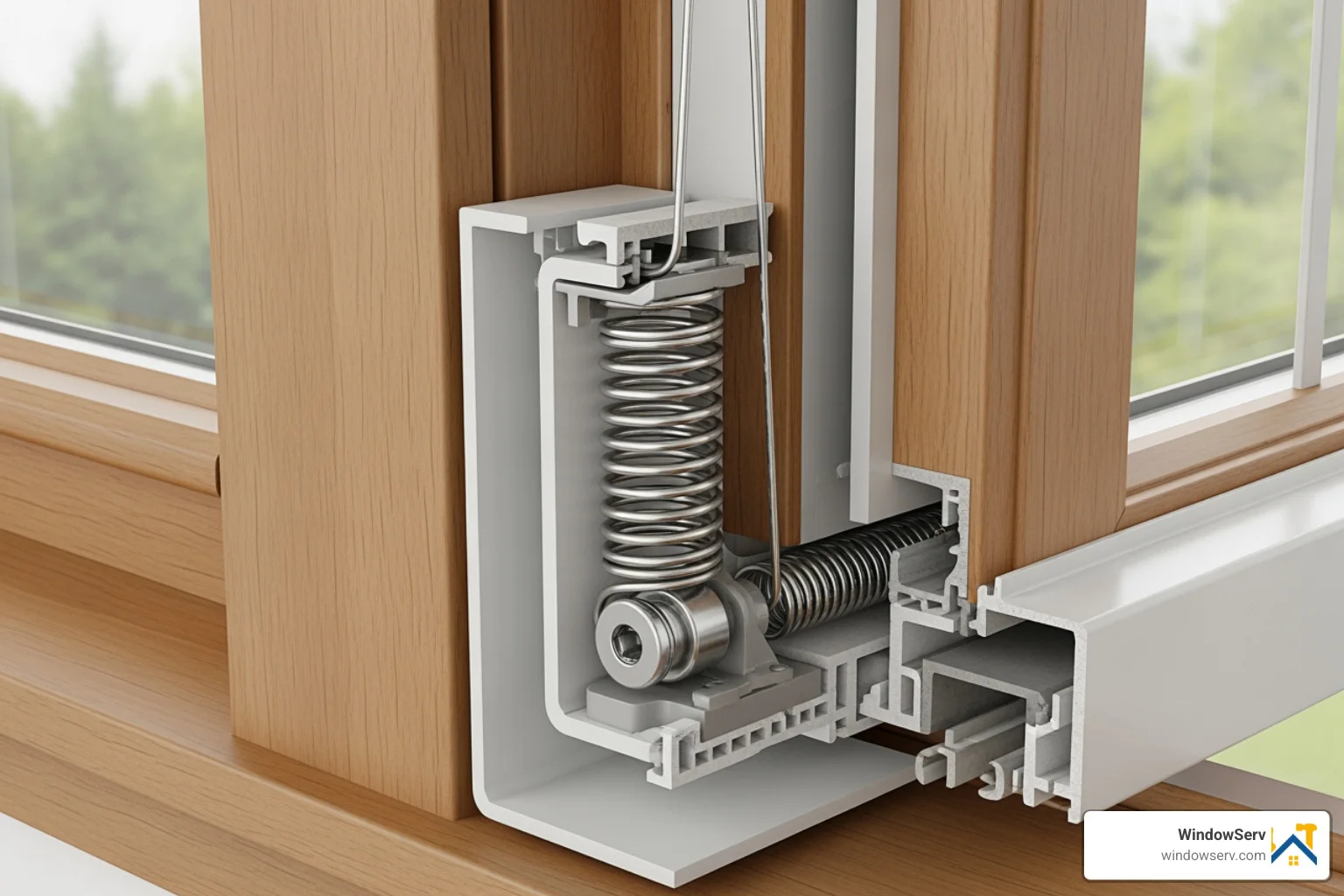
Diagnosing Your Double Hung Window Sash Repair Needs
When we visit homes in Ridgewood or Summit, we typically see three main categories of failure. Identifying yours is the first step toward a successful double hung window sash repair.
- Sash Drift: This is when you open the window and it slowly (or quickly) slides back down. This is almost always a failure of the balance system.
- Physical Obstruction: If the window is “stuck,” it might be painted shut, or the wood may have swollen due to the humid New Jersey summers.
- Structural Decay: If the wood feels soft to the touch or you see “alligatoring” paint, moisture has likely compromised the sash.
If your window won’t stay open, you likely need a Double Hung Window Balance Repair. If the window moves but feels “gritty,” the tracks might just need a thorough cleaning and a hit of silicone spray.
Identifying Balance Systems
Before ordering parts, you must know what kind of balance you have. Older homes in Essex and Hudson counties often have cord and weight systems, where a lead or iron weight hangs on a cotton rope inside the wall. Modern windows (post-1950s) usually use spring-based systems.
| Balance Type | Mechanism | How to Identify |
|---|---|---|
| Cord and Weight | Pulley and lead weight | Visible rope or chain at the top of the jamb. |
| Spiral Balance | Internal torsion spring | A metal rod (often colored) visible when the sash is tilted. |
| Block and Tackle | Pulley and cord | A string and spring system tucked inside the jamb liner. |
| Constant Force | Coiled metal band | A stainless steel “tape measure” style spring. |
If you have a modern spring balance, look for a glass size code etched into the corner of the glass or stamped on the balance cartridge itself. This code is vital for ensuring the new spring is calibrated to the exact weight of your sash. For more on spring-specific fixes, see our guide on Double Hung Window Balance Spring Replacement.
Step-by-Step Double Hung Window Sash Repair
Safety is our priority. Before starting any double hung window sash repair, put on your safety glasses. Window glass can be unpredictable, and balance springs are under significant tension.

Removing Sashes and Jamb Liners Safely
To get to the heart of the problem, you usually need to remove the sashes. In modern “tilt-in” windows, this is easy: raise the lower sash a few inches, pull the tilt latches, and fold it toward you until it’s horizontal. Then, lift one side to release the tilt pins from the jamb liner.
For older windows without tilt latches, the process is more surgical:
- Break the Paint Seal: Use a sharp utility knife to score the line between the interior stop (the vertical trim) and the window frame.
- Remove Interior Stops: Gently pry the wood stops off using a flat pry bar.
- Detach Cords: If you have sash weights, hold the cord firmly, cut it, and tie a knot so it doesn’t disappear into the wall cavity.
For a deeper dive into these traditional methods, Everything You Need to Know to Repair Sash Windows – This Old House provides excellent historical context. If the sash itself is beyond saving, you might be looking at a full Window Sash Replacement.
Replacing Faulty Balances and Hardware
Once the sashes are out, you can access the jamb liners. In many vinyl-tracked windows, the entire liner can be popped out with a putty knife. Inside, you’ll find the balance cartridge.
Replacing a balance usually involves:
- Unscrewing the old cartridge or releasing the “S-clip” at the top.
- Sliding the new balance into the track.
- Resetting the locking terminal (the part the sash pin sits in) at the correct height.
While the window is apart, check your hardware. If the sash lock is loose or the “lifts” (the handles at the bottom) are pitted, now is the time to swap them out. You can find more technical details on glass-related removals at How to Replace Double Hung Window.
Restoring Wood Sashes: Rot Repair and Reglazing
In New Jersey, we are blessed with historic architecture, but our wet winters can be hard on wood. If your double hung window sash repair involves rot, don’t panic. You don’t necessarily need new windows.
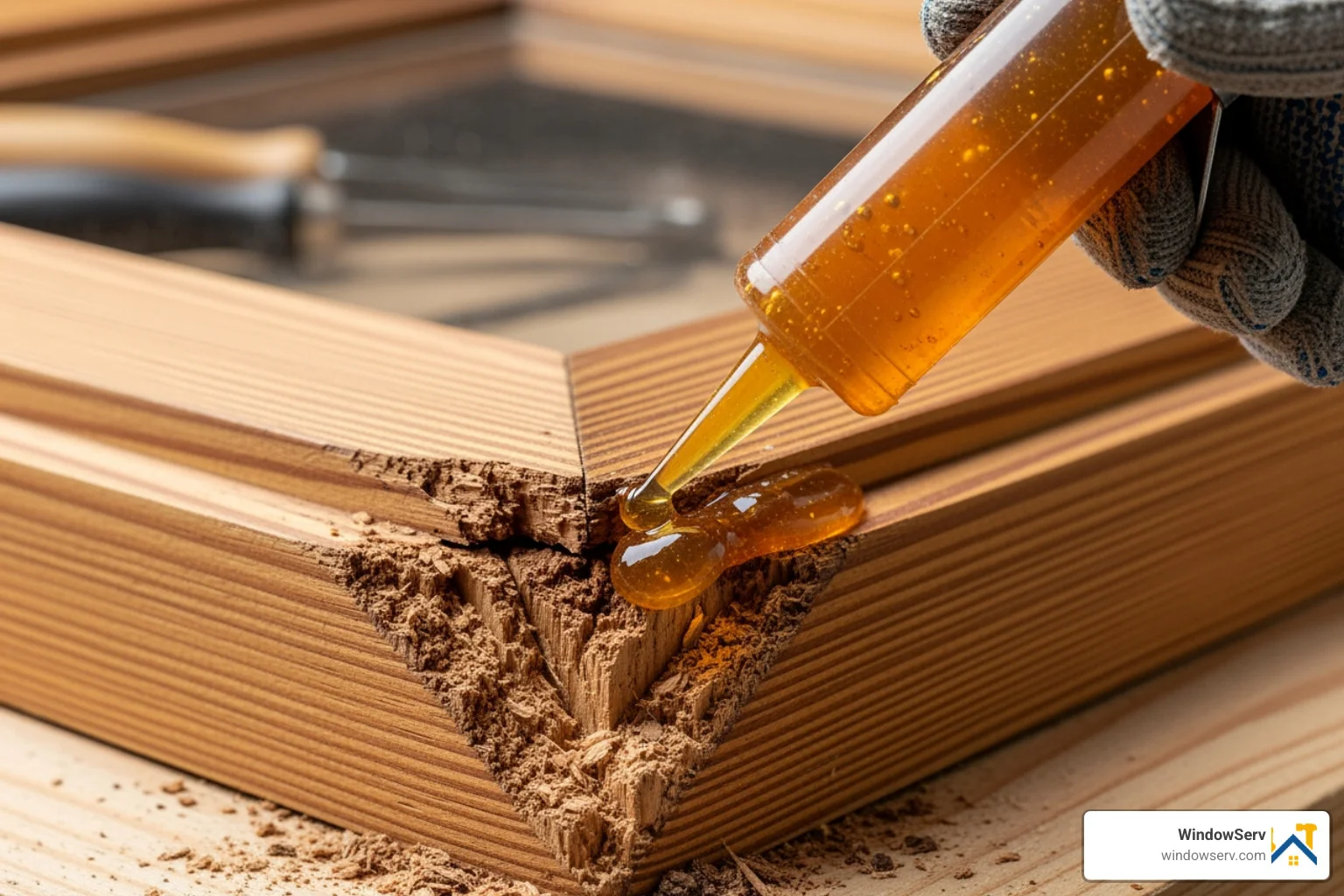
Repairing Rotted Wood with Epoxy and Dutchman Patches
We love old-growth pine because it’s incredibly dense. If you find a soft spot, use a scratch awl to poke around and find the extent of the damage.
- Minor Rot: Clean out the soft wood, apply a “liquid wood” consolidant to harden the fibers, and then fill the void with a two-part structural epoxy. Once cured, it can be sanded and painted just like wood.
- Major Rot: This requires a Dutchman patch. This is where we cut out a rectangular section of rotted wood and glue in a new piece of matching wood (preferably reclaimed old-growth pine).
For more on these specialized wood fixes, check out our page on Wooden Sash Window Repairs.
Stripping Paint and Traditional Reglazing
If your glass is rattling or the putty is falling out in chunks, it’s time to reglaze.
- Remove Old Putty: A heat gun with a nozzle shield helps soften rock-hard putty without cracking the glass.
- Clean the Rabbet: Scrape the wood channel clean and apply a coat of primer.
- Bed the Glass: Place a thin bead of latex caulk or glazing compound in the channel, press the glass in, and secure it with glazier points (small metal triangles).
- Final Putty: Apply the glazing compound at an angle, smoothing it with a putty knife to create a “weather shed.”
If you’re dealing with broken panes, our Window Repair service can handle the heavy lifting for you.
Finishing Touches for a Lasting Double Hung Window Sash Repair
The secret to a repair that lasts another 50 years is the finish. Always use a shellac-base primer over epoxy patches; it sticks to everything and seals in tannins. When painting, ensure the paint overlaps the glass by about 1/16th of an inch. This creates a “paint seal” that prevents water from getting behind the putty and causing future rot.
Finally, install new weatherstripping. Modern bulb seals or V-strip can reduce drafts by up to 30%, significantly improving your home’s energy efficiency.
Strategic Decisions: When to Repair vs. Replace
As we approach 2026, the trend in home improvement is leaning heavily toward sustainability and preservation.
The Value of Original Materials in 2026
Repairing an existing window provides a much better return on investment than a full replacement. Why? Because the first-growth pine found in many Jersey City or Tenafly homes is virtually irreplaceable. Modern “fast-growth” lumber is porous and prone to rot within a decade. Historic wood, however, is naturally rot-resistant. Repaired sashes often have a greater life expectancy than the “lifetime warranty” vinyl units sold today.
Measuring for Replacement Sash Kits
Sometimes, the wood is too far gone. In these cases, we recommend a sash replacement kit. This allows you to keep your original window frame and trim while installing two brand-new, energy-efficient sashes.
When measuring:
- Measure the width between the side jambs at three points (top, middle, bottom) and use the smallest number.
- Measure the height from the head to the highest point of the sill.
- Check the jamb depth to ensure the new tracks will fit.
Upgrading to Low-E glass during this process can further boost your energy savings without sacrificing the historic look of your home.
Frequently Asked Questions about Double-Hung Repair
Why won’t my double-hung window stay open?
The most common cause is a broken balance cord or a failed spring balance. Over time, the tension in these mechanisms wears out. Replacing the balance is a standard part of double hung window sash repair and usually takes less than an hour per window.
Is it better to repair or replace 100-year-old windows?
In 90% of cases, repair is better. Original wood windows were built to be serviced. By repairing the sashes and adding a high-quality storm window, you can achieve energy efficiency levels comparable to modern triple-pane windows while preserving the character and value of your home.
How do I fix a window sash that is painted shut?
Use a tool called a “window zipper” or a stiff putty knife. Carefully score the paint line around the entire perimeter of the sash, both inside and out. Gently tap the sash with a rubber mallet to break the seal. Avoid prying too hard in one spot, as this can crack the old glass.
Conclusion
At WindowServ, we believe that your windows are the soul of your home. Whether you are in Westfield, Livingston, or Paramus, double hung window sash repair is a sustainable way to maintain your property’s beauty and efficiency.
By choosing to repair rather than replace, you’re saving money, reducing waste, and keeping the high-quality materials that make New Jersey’s architecture so special. If you’ve reached the limit of your DIY comfort zone, our local experts are here to help with a satisfaction guarantee and comprehensive solutions that save your original frames.
Ready to bring your windows back to life? Explore our Professional Window Repair Services or contact us today for an expert consultation.