
In Hoboken's landmarked brownstones, narrow streets and historic district rules often add 2 to 3 weeks to a cracked pane repair compared to standard homes.
Cracked Glass in a Historic Hoboken Window
A single hairline crack in an original wood sash window is rarely a simple fix once narrow streets, tight alleys, and historic district review enter the picture. Our window glass replacement service is built around exactly this kind of job. Request a scheduling estimate today and we’ll walk you through access logistics and glass matching before a crew ever shows up.
Most glass companies treat a cracked pane like a commodity job, measure the opening, order generic double-strength glass, caulk it in, and move on. That approach fails constantly in Hoboken, and it’s worth explaining why before you hire anyone.
We measure the sash, not just the opening
Pre-war wood sash windows in Hoboken were built with glazing rabbets cut by hand, often slightly out of square after a century of settling. A generic pre-cut pane from a big-box supplier will rock in the rabbet or require so much shim and glazing compound that it looks wrong and fails early. Our technicians take measurements at three points on each side of the opening, not just one, and account for the sash’s actual geometry rather than its nominal size. That extra ten minutes on site prevents a callback six months later.
We stock glass thicknesses that match older sashes
A surprising number of original Hoboken sashes still hold single-strength or old wavy glass, particularly in upper-floor windows that were never upgraded during a renovation. Modern standard glass is thicker, and dropping it into an old rabbet without adjusting the glazing points can crack the new pane under thermal stress within a season. We carry single-strength, double-strength, and restoration-grade wavy glass in stock, and we identify which one your window needs before we quote the job, not after we’re standing in your parlor with the wrong pane.
We carry the right fasteners for historic sash
Original wood sash was glazed with hand-driven glazier’s points and linseed-oil putty, not the spring clips and synthetic sealant used in vinyl-era windows. Reglazing with the wrong hardware changes how the pane sits and can void a historic district’s approval for exterior work. Our crews use traditional glazier’s points and compatible putty on original sash, matching the building’s existing glazing method rather than defaulting to whatever is fastest.
We plan around access before we schedule, not after
Many Hoboken brownstones sit on blocks with alternate-side parking, no driveway, and sidewalks too narrow for a standard service van to park directly in front. We confirm parking and ladder access, floor level, and whether a window requires interior or exterior glazing access during the initial call, so the crew that shows up has the right equipment the first time. This is the single biggest source of delay we see from competitors, a truck circling the block for forty minutes looking for a legal spot.
We know what historic commissions actually require
If your building sits within Hoboken’s historic district, exterior-facing glass replacement on a street-visible elevation can fall under local preservation review, particularly if the repair involves anything beyond like-for-like glass replacement, such as changing muntin profiles or glazing material. We’ve worked enough of these blocks to know which repairs are routine maintenance that need no sign-off and which ones warrant a quick call to confirm before we touch the sash. We document original glass type, pane dimensions, and glazing method with photos before removing anything, so if a homeowner ever needs that record for a commission application, it already exists. This same documentation habit is why our Beginner Window Glass Replacement Mistakes and How to Avoid Them guide warns against ordering replacement glass before confirming these details, it’s the single most common error we see from homeowners who try to shortcut the process.
We warranty the glazing, not just the glass

A cracked pane almost never fails on its own, it’s usually paired with failing putty or compromised glazing points that let moisture behind the glass. Our repair includes new glazing compound and points rated for the climate swings of a riverside city like Hoboken, with a workmanship warranty that covers the seal, not just a straight glass-for-glass swap that leaves the underlying problem untouched.
Short answer
a single cracked pane in a Hoboken brownstone’s original wood sash typically costs $180 to $450 to repair and takes 3 to 10 business days, longer if the window faces a landmarked street elevation.
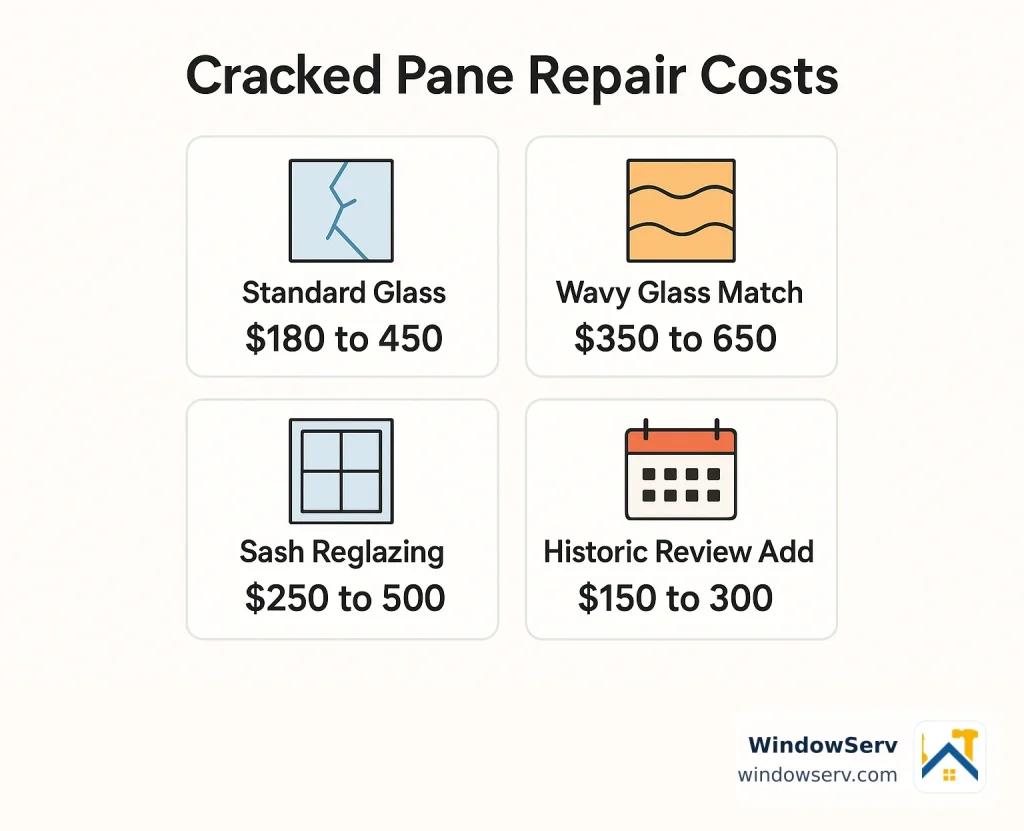
- Average cost: $180 to $450 per pane (standard glass); $350 to $650 for restoration-grade wavy glass
- Typical timeline: 3 to 5 business days for routine repairs, 10 to 15 days if historic review applies
- Main scheduling factor: street parking and ladder access on narrow blocks
- Glass match needed: often yes, for single-strength or wavy original glass
Pricing for cracked pane repair varies more in Hoboken than in newer construction, mostly because the glass itself isn’t always a standard stock item and because access conditions change the labor time. Below is a realistic breakdown based on the scope of the job, not a single flat number that doesn’t hold up once a technician is actually on site.
| Repair scope | Typical cost | What drives the price |
|---|---|---|
| Single pane, standard double-strength glass, ground floor, easy access | $180 to $280 | Basic glass cost, minimal labor, no ladder or scaffold needed |
| Single pane, standard glass, second or third floor with interior access | $220 to $350 | Added labor time, interior trim removal and reinstallation |
| Single pane, restoration-grade wavy or historic glass match | $350 to $650 | Specialty glass sourcing, slower cutting tolerances, custom fit |
| Sash reglazing (new glazier’s points and putty, existing glass reused) | $150 to $300 | Labor-heavy, no glass cost, addresses underlying seal failure |
| Exterior-facing pane requiring historic district documentation | $150 to $300 added | Photo documentation, measurement records, possible commission check-in |
| Full sash removal and shop reglazing (severely warped or rotted frame) | $450 to $900 | Transport, shop time, often paired with partial sash rebuild |
Why wavy glass costs more
Original wavy glass was produced by a cylinder or crown process that’s no longer used for standard window glass, so matching it means sourcing restoration glass from specialty suppliers rather than pulling a sheet off a local rack. It’s not a cosmetic preference most of the time, it’s a practical one too, mismatched glass next to original panes is immediately visible from the street, and in a landmarked building that visual inconsistency can draw attention during any future exterior work review. Homeowners restoring a full bay of windows sometimes choose to replace all panes with matching wavy glass at once, which lowers the per-pane cost compared to doing them one at a time over several service calls.
Why access changes the price more here than elsewhere
In most suburban markets, a second-floor window repair costs barely more than a ground-floor one, a ladder against open lawn takes a few extra minutes. In Hoboken’s brownstone rows, that same second-floor window might only be reachable from a fire escape, a shared rear yard with no direct access, or an interior stairwell too narrow for a full-size ladder. We price these jobs after confirming access during the quote call rather than guessing, which is why our estimates sometimes come in lower than a phone-quote competitor who pads the price to cover access risk they haven’t actually assessed.
What’s not included in most of these ranges
Full sash replacement, storm window fabrication, and lead paint abatement (common in pre-1978 buildings) are separate line items and not part of a standard cracked pane repair. If a technician opens up a sash and finds rotted wood or failed glazing putty throughout the frame, that’s flagged and quoted separately before any additional work starts, we don’t expand the scope without approval.
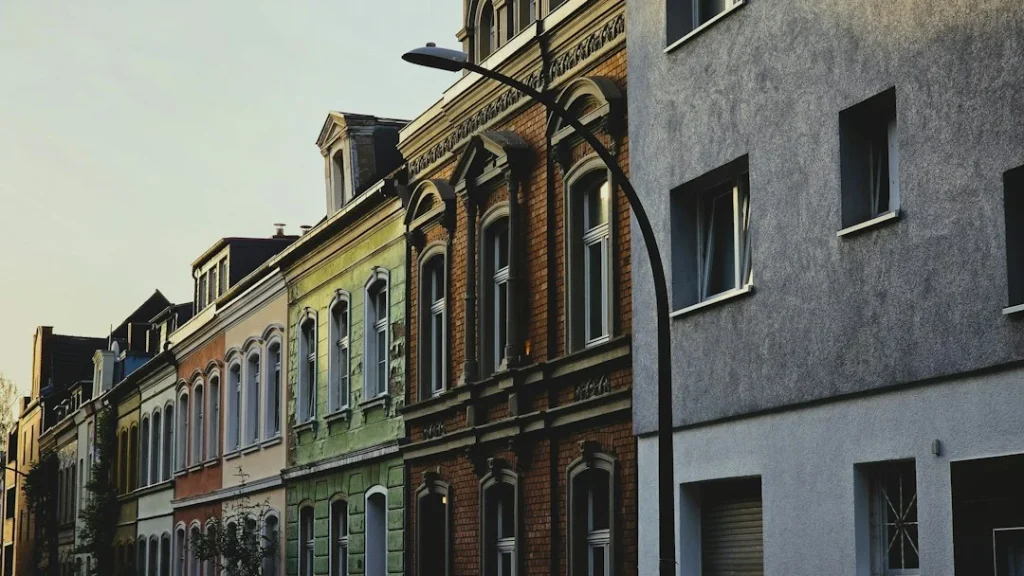
Hoboken packs roughly 60,000 residents into a one-square-mile grid, and a large share of that housing stock predates 1920, brick and brownstone rowhouses built shoulder to shoulder along streets that were laid out for horse carts, not service vans. That density is the single biggest factor shaping how cracked pane repair actually gets scheduled and performed here, far more than the glass itself.
Narrow streets mean narrow scheduling windows
Much of Hoboken operates under alternate-side-of-the-street parking rules, and many blocks, particularly in the historic core between Garden Street and the waterfront, have no off-street parking at all. A service vehicle carrying glass sheets, a glazing kit, and a ladder needs a legal spot within a reasonable carrying distance of the building, and that spot often doesn’t exist during midday hours when street sweeping or resident permit restrictions are in effect. We schedule most Hoboken jobs for early morning or build in a buffer for circling the block, because a crew that can’t park within half a block of a brownstone with a heavy glass pane isn’t going to do the job safely or quickly.
Hoboken’s historic district adds scheduling surprises
Significant portions of Hoboken, including the Hoboken Historic District listed on the National and State Registers, fall under design review for exterior-visible changes to buildings of historic character. Routine like-for-like glass replacement in an existing sash generally doesn’t require a formal application, but any repair that changes the glazing profile, muntin pattern, or visible materials on a street-facing elevation can draw scrutiny, especially on buildings individually listed or sitting within a locally designated historic zone. We’ve learned to flag this distinction clearly for homeowners before work starts, because the difference between “routine maintenance” and “exterior alteration” in the eyes of a historic commission often comes down to details a homeowner wouldn’t think to ask about, like whether the replacement glass has the same reflectivity or wave pattern as the original.
Hoboken isn’t the only New Jersey community wrestling with this balance between historic preservation and practical repair. Homeowners dealing with Repairing Broken Glass in Montclair Historic Homes face a similar layer of local historic commission oversight, and the documentation habits that work in one landmarked town generally translate to the other.
Original wood sash windows remain common in Hoboken homes
Unlike many suburban New Jersey towns where vinyl replacement windows have largely taken over, a meaningful share of Hoboken’s pre-war buildings still have their original wood sash, sometimes original glass as well, particularly in upper-story units that have changed hands less often than ground-floor storefronts. That means glass matching isn’t a niche concern here, it’s a routine part of nearly every repair call. Technicians working this market need to recognize single-strength glass, old wavy glass, and the hand-cut glazing rabbets that come with century-old millwork, skills that simply don’t come up in a town built mostly after 1970.
River climate stresses glazing seals faster
Hoboken sits directly on the Hudson, and that waterfront exposure means higher humidity swings and more freeze-thaw cycling against window glazing than towns further inland. Linseed-oil putty and glazing points that might last 25 years in a drier inland climate often show cracking and failure closer to 15 to 18 years in Hoboken’s river-adjacent blocks. That’s one reason a cracked pane here is frequently accompanied by glazing compound that’s already pulling away from the sash, and why we treat reglazing as part of the repair rather than an upsell. A pane replaced without addressing failing glazing compound around it tends to crack again within a few seasons, which is covered in more detail in our Cracked Window Glass Repair for Hoboken Brownstones guide for homeowners dealing with recurring cracks in the same window.
What this means for scheduling your repair
Put together, dense parking, historic review on some elevations, original wood sash construction, and accelerated glazing wear mean a Hoboken cracked pane repair should be scheduled with more lead time than the same job in a newer suburban development. We typically ask for photos of the damaged pane and the building’s street-facing elevation during the quote request, which lets us flag potential historic district questions and confirm likely glass type before a truck is ever dispatched.
A cracked pane looks like a straightforward swap, pull the broken glass, drop in a new piece, reseal. On a modern vinyl window with a removable sash, that’s often true. On an original wood sash window in a Hoboken brownstone, several things complicate that picture enough that it’s worth thinking through before buying glass at a hardware store.
When a homeowner can reasonably handle it
A small chip or hairline crack in a storm window or a newer vinyl replacement unit, where the glass sits in a rubber gasket rather than glazing putty, is a reasonable DIY project for someone comfortable working with glass and basic hand tools. These sashes are designed for tool-free or simple-fastener glass removal, and a mismatched replacement pane is low-risk since there’s no historic glazing profile to preserve.
When it belongs to a professional
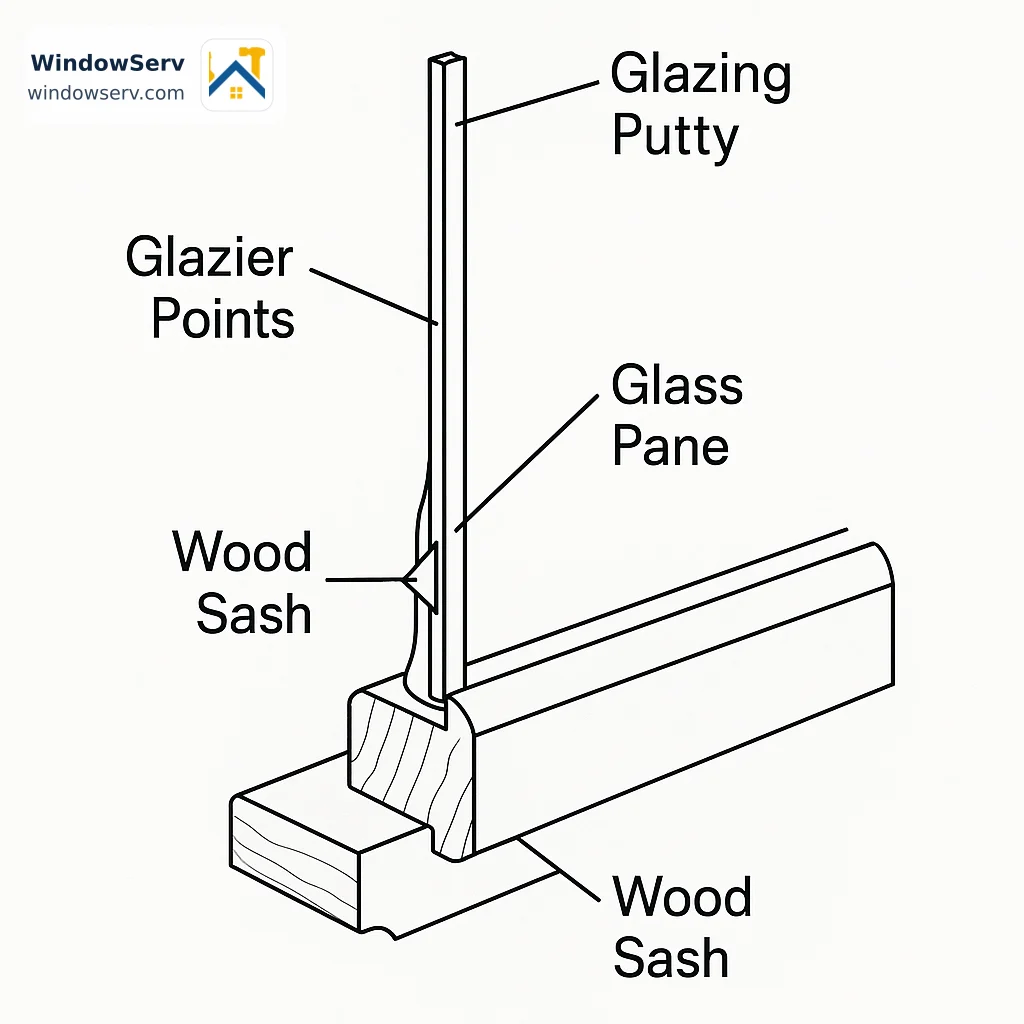
Original wood sash with putty glazing, lead paint risk, or any street-facing elevation in a historic district moves firmly into professional territory, and here’s why each factor matters on its own.
Removing old glazing putty often means working around paint layers that predate 1978, which may contain lead. Dry scraping or sanding that putty without containment creates a measurable health hazard, particularly in a household with young children, and professional crews follow lead-safe work practices required for pre-1978 housing.
Hand-cut glazing rabbets on century-old sash are rarely perfectly square, and a pane cut to the nominal opening size without accounting for that variance will rock, crack again under thermal stress, or require so much excess glazing compound that it looks visibly wrong. Getting an accurate fit usually means on-site measurement with the sash in place, not a tape measure reading phoned in to a glass shop.
If the damaged window faces a street in Hoboken’s historic district, any repair that isn’t a straightforward like-for-like glass swap, changed muntin spacing, different glazing material, altered reflectivity, can trigger a preservation review question. A homeowner who replaces glass without checking this first risks having to redo the work, and in rare cases, facing a compliance notice. Our Beginner Window Glass Replacement Mistakes and How to Avoid Them article covers this exact scenario along with several other errors we see repeatedly from well-intentioned DIY attempts.
Finally, safe glass handling and disposal on upper floors with limited interior access, common in brownstone layouts with narrow stairwells, is genuinely more dangerous than it looks. Carrying a full glass pane down a tight nineteenth-century staircase is a real injury risk that a professional crew is equipped to manage.
A quick decision checklist
| Situation | Recommended approach |
|---|---|
| Small crack, storm window or vinyl sash, gasket-mounted glass | DIY is reasonable if comfortable with basic tools |
| Original wood sash, putty-glazed, any floor | Hire a professional, fit and glazing require experience |
| Building built before 1978, putty removal needed | Hire a professional, lead-safe practices apply |
| Window faces a street in a historic district | Hire a professional and confirm scope before work starts |
| Pane cracked more than once in the same spot | Hire a professional to inspect underlying sash or glazing failure |
| Upper floor with limited interior stair access | Hire a professional for safe glass handling |
If you decide to call a professional
Have the window’s approximate age, which floor it’s on, and whether it faces a public street ready when you request a quote. Photos of the crack and the surrounding sash, taken from inside and outside if possible, help us identify glass type and glazing condition before a technician ever visits, which speeds up both the quote and the actual repair date. You can start that process here and get a scheduling window based on your building’s specific conditions rather than a generic estimate.
Don’t let a cracked pane sit through another rainstorm or cold snap. Our technicians measure, source matching glass, and coordinate access around Hoboken’s tight block layouts so your repair gets done without damaging the sash or holding up your schedule. Request your free repair quote now and we’ll give you a realistic timeline based on your building’s address, window age, and historic district status before any work begins.