
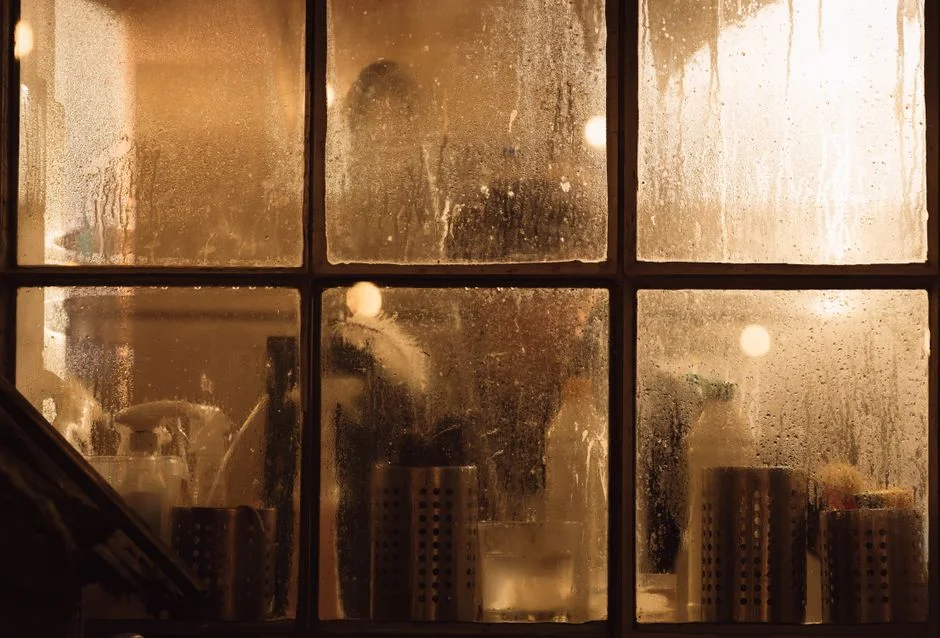
That Cloudy Window Isn’t Just Ugly — It’s Costing You Money foggy double-pane residential window with condensation obscuring backyard view – how to repair a foggy window How to repair
That Cloudy Window Isn’t Just Ugly — It’s Costing You Money
How to repair a foggy window is simpler than most homeowners think — and you have more options than just replacing the whole thing.
Here’s a quick answer:
| Method | Best For | Permanence |
|---|---|---|
| DIY defogging (drill + alcohol) | Minor fogging, tight budget | Temporary |
| IGU replacement | Good frame, failed seal | Long-term |
| Sash replacement | Single sash failure | Long-term |
| Full window replacement | Old, damaged, or rotting frames | Permanent |
The fog you see between your panes isn’t dirt — and no amount of Windex will fix it. It’s a sign that the airtight seal inside your double-pane window has failed, letting moisture creep into a space it was never supposed to reach.
For busy New Jersey homeowners, this is especially common in older homes where windows are 15 years or more past their original installation. Once that seal breaks, the insulating gas escapes, humidity moves in, and your energy bills quietly start climbing.
The good news? You don’t always need to replace the entire window.
I’m Feiruz Gabibov, COO of WindoServ, and through overseeing hundreds of window repair and glass replacement jobs across New Jersey, I’ve helped countless homeowners figure out exactly how to repair a foggy window without overspending. In the sections below, I’ll walk you through every option — from a quick DIY fix to a full professional solution — so you can make the right call for your home.
Understanding Why Your Windows Are Fogging Up
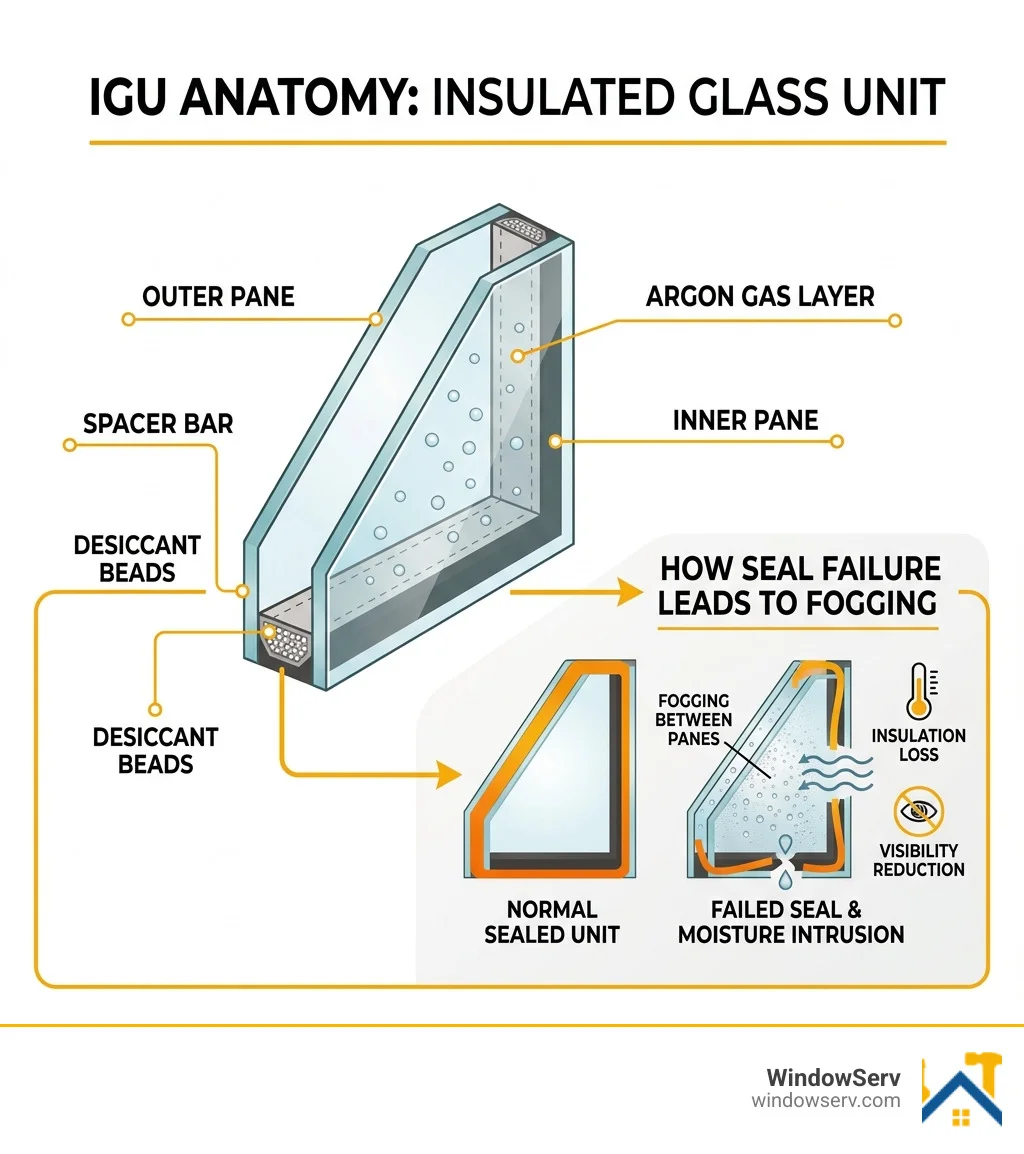
To understand how to repair a foggy window, we first have to look at the science of the Insulated Glass Unit (IGU). Modern windows aren’t just two pieces of glass; they are factory-sealed “sandwiches.” The space between the panes is filled with an inert gas—usually argon or krypton—which acts as a thermal barrier.
The primary cause of fogging is seal failure. When the seal around the edge of the IGU breaks, the heavy insulating gas leaks out and is replaced by moisture-laden air. This process is often accelerated by “solar pumping.” During the day, sunlight heats the air between the panes, causing the unit to expand and push air out through tiny weaknesses in the seal. At night, the unit cools and contracts, sucking in humid outside air.
Inside that spacer bar (the metal or foam piece holding the glass apart), there are desiccant beads designed to absorb small amounts of moisture. However, once the seal is compromised, these beads eventually become saturated. When they can no longer hold any more water, condensation begins to form on the inside surfaces of the glass.
For a deeper dive into the mechanics of this failure, This Old House provides excellent technical insights into how these units are constructed.
Is the Fog on the Surface or Between the Panes?
Before you start looking at how to repair a foggy window, you need to make sure the fog is actually inside the glass. It sounds simple, but we see many homeowners in Jersey City and Montclair who are worried about a problem that is actually just high indoor humidity.
Try the “touch test”:
- Wipe the fog with your finger on the inside of the house. Did it clear? If so, your indoor humidity is too high.
- Go outside and wipe the exterior. Did it clear? That’s just dew or external condensation, which is common in New Jersey’s humid April mornings.
- If you wipe both sides and the fog stays put, the moisture is trapped between the panes. This indicates a failed seal.
Why Double-Pane Seals Fail After 15-20 Years
Nothing lasts forever, and double-pane windows typically have a lifespan of 10 to 20 years. In our experience working across Bergen and Essex counties, several factors contribute to this:
- Thermal Stress: New Jersey’s fluctuating temperatures—from freezing winters to humid summers—cause constant expansion and contraction.
- 1% Annual Gas Loss: Even perfectly healthy IGUs naturally lose about 1% of their argon gas every year. Over two decades, this adds up, reducing the internal pressure and stressing the seals.
- Water Exposure: If your window tracks don’t drain properly, the bottom seal of the glass unit can sit in standing water, which eventually eats through the sealant.
- Pressure Washing: Using high-pressure water near window seals can force moisture past the protective barriers.
How to Repair a Foggy Window: Your Top 3 Options
Once you’ve confirmed a seal failure, you have three main paths forward. We always recommend starting with the most cost-effective solution that actually solves the root problem.

Option 1: Professional Defogging and DIY Venting
Defogging is the “budget” repair. The process involves drilling tiny holes (usually about 1/8 inch) into the glass or the spacer to allow the moisture to escape.
Some DIY enthusiasts use a YouTube guide to attempt this by spraying rubbing alcohol inside to help dry out the condensation before installing micro-vents. These vents allow the window to “breathe,” preventing future fog.
The Catch: While this clears the view, it does not restore the window’s energy efficiency. The insulating argon gas is gone, and you now have holes in your window. It’s a cosmetic fix, not a thermal one.
Option 2: How to Repair a Foggy Window with IGU Replacement
This is often the “sweet spot” for homeowners. Instead of replacing the entire frame and trim, we simply remove the failed glass unit and install a brand-new, factory-sealed IGU.
Replacing the glass is significantly cheaper than full window replacement—often costing only about 1/3 of the price. It preserves your original frames (great for historic homes in Ridgewood or Summit) while restoring the full R-value of the window. You can learn more about this specific process on our Window Glass Replacement and Insulated Glass Units service pages.
Option 3: Replacing the Window Sash
If the glass is foggy and the moving part of the window (the sash) is also showing wear, you can replace the entire sash. This is a common DIY repair for homeowners who can order a matching part from the original manufacturer.
To do this, you’ll need to measure the sash width and height at three different points and use the smallest dimensions. This method keeps the main window frame intact but gives you a completely new moving component with a fresh seal. If your sash is sticking or difficult to move, check out our Window Repair services for professional alignment help.
Comparing Costs and Energy Efficiency
When deciding how to repair a foggy window, it helps to look at the numbers. In April 2026, energy costs are a major concern for New Jersey residents, and a foggy window is a literal hole in your home’s insulation.
| Feature | Defogging | IGU Replacement | Full Replacement |
|---|---|---|---|
| Typical Cost | $75 – $200 | $250 – $450 | $750 – $1,200+ |
| Energy Efficiency | Low (gas is lost) | High (factory sealed) | Highest (modern tech) |
| Longevity | 1-3 Years | 15-20 Years | 20+ Years |
| Appearance | Clear (mostly) | Like New | Brand New |
The Impact of Fogging on Your Energy Bills
A failed seal isn’t just a visual nuisance. A 100% argon fill increases the thermal performance of an IG unit by 16%. When that gas escapes and is replaced by humid air, your HVAC system has to work harder to compensate for the heat loss in winter and heat gain in summer.
By opting for Double-Pane Window Repair and Replacement, you can restore that 16% efficiency boost. In a state like New Jersey, where seasonal temperatures are extreme, this can lead to significant annual savings on your utility bills.
Warranty Checks and Manufacturer Coverage
Before you spend a dime, check your window’s warranty. Many high-quality window brands offer a 20-year warranty on glass seal failure. Look for a serial number etched into the corner of the glass or inside the spacer bar. If you are the original owner, the manufacturer might provide the replacement IGU for free, though you will likely still have to pay for the labor to install it.
When to Choose Full Window Replacement
While we love saving original frames, sometimes a repair is just a temporary bandage on a terminal problem.

Signs Your Frames Are Beyond Repair
If you notice the following, it’s time to move past how to repair a foggy window and look into Window Replacement:
- Wood Rot: If you can poke a screwdriver into your wooden frame and it feels soft, the structure is compromised.
- Vinyl Warping: If the frames are twisted or melted from sun exposure, a new glass unit won’t sit properly.
- Operational Failure: If the window won’t stay open or is painted shut, the cost of repairing the mechanics plus the glass often approaches the cost of a new window.
- Drafty Sills: If you feel a breeze even when the window is locked, the frame itself has likely separated from the house structure.
Long-Term Benefits of Upgrading to Low-E Glass
Upgrading to modern windows with Low-E (low-emissivity) coatings can provide up to 30% energy savings. These coatings reflect infrared light, keeping heat inside during the winter and outside during the summer. They also protect your furniture and floors from UV fading—a major plus for those sun-drenched living rooms in Livingston or Westfield.
Frequently Asked Questions about Foggy Windows
Is defogging a permanent fix?
No. Most experts and homeowners find that defogging is a temporary cosmetic solution. While it removes the visible moisture, the seal is still broken. Eventually, dust and minerals can enter the holes, or the micro-vents can clog, leading to a return of the “milky” film.
How much does it cost to repair a foggy window?
As of April 2026, a simple seal repair or defogging typically costs between $75 and $200. Replacing the IGU (the glass only) averages around $300 to $500 depending on the size and gas fill. A full window replacement starts around $750 and can go much higher for premium materials.
How can I prevent my windows from fogging in the future?
- Control Humidity: Use dehumidifiers in basements and exhaust fans in kitchens and bathrooms.
- Check Weep Holes: Ensure the small drainage holes in your window tracks are clear of debris so water doesn’t pool against the seals.
- Avoid Pressure Washers: Clean your windows with a garden hose and a soft cloth rather than high-pressure equipment.
- Professional Installation: Ensure your windows are installed level and plumb to prevent structural stress on the glass seals.
Conclusion
Knowing how to repair a foggy window can save you thousands of dollars and restore the beauty of your home. Whether you choose a quick defogging, a precise IGU replacement, or a full upgrade to modern energy-efficient units, the key is to act before moisture causes secondary damage like mold or wood rot.
At WindowServ, we are your local New Jersey experts. We specialize in Foggy Window Glass Replacement and comprehensive repairs that save your original frames while boosting your home’s efficiency. From Hoboken to Paramus, we stand behind our work with a satisfaction guarantee.
Don’t let a failed seal ruin your view. Contact us today to see how we can bring clarity back to your home.