
What Homeowners Need to Know About Resealing Thermopane Windows reseal thermopane windows Knowing how to reseal thermopane windows can save you hundreds of dollars — but the honest truth is
What Homeowners Need to Know About Resealing Thermopane Windows
Knowing how to reseal thermopane windows can save you hundreds of dollars — but the honest truth is that a true reseal is rarely possible once a seal has fully failed.
Here’s a quick answer if you’re short on time:
Can you reseal a thermopane window?
- If the seal is fully failed (fogging, moisture between panes): You cannot restore the original gas-filled seal. The IGU (insulated glass unit) needs to be replaced.
- If you have a minor perimeter leak (small gap between frame and glass, no internal fogging): A professional can apply new sealant to stop further damage.
- If you want to clear the fog temporarily: A defogging service ($75–$150) removes moisture but does not restore energy efficiency.
- Best long-term fix: IGU replacement ($150–$400) restores both clarity and thermal performance without replacing the whole window.
Thermopane windows — also called double-pane windows or insulated glass units (IGUs) — are the standard in most modern New Jersey homes. They work by trapping argon or krypton gas between two panes of glass, creating an insulating barrier that keeps heat in and noise out.
When that seal breaks, the gas escapes. What’s left is just two panes of glass with plain air — or worse, trapped moisture — in between. That’s the foggy, hazy look that won’t wipe away no matter how hard you try.
“Broken window seals often result in visible symptoms like condensation or fogginess on multi-pane thermal glass windows — a problem that can’t be simply wiped away.”
The bad news: a failed seal cannot be “resealed” back to factory condition. The good news: you have real options that can restore comfort, clarity, and energy savings — without always replacing the entire window.
I’m Feiruz Gabibov, Chief Operating Officer of WindoServ, a New Jersey-based window repair and glass replacement company, and I’ve overseen hundreds of thermopane repair and IGU replacement jobs across the state. In this guide, I’ll walk you through exactly what it takes to reseal thermopane windows — and when repair makes more sense than replacement.

Understanding Why Thermopane Seals Fail in 2026
By May 2026, many homes in areas like Ridgewood and Montclair are reaching a point where their original insulated glass units are hitting the end of their natural lifespan. While a high-quality IGU can last several decades, they are constantly under pressure.
The primary culprit is a process called solar pumping. During the day, sunlight heats the air or gas between the glass panes, causing the unit to expand. At night, the glass cools and contracts. This daily “breathing” puts immense stress on the elastic rubber-like outer seal and the inner polyisobutylene (PIB) sealant. Over time, these materials become brittle and develop micro-cracks.
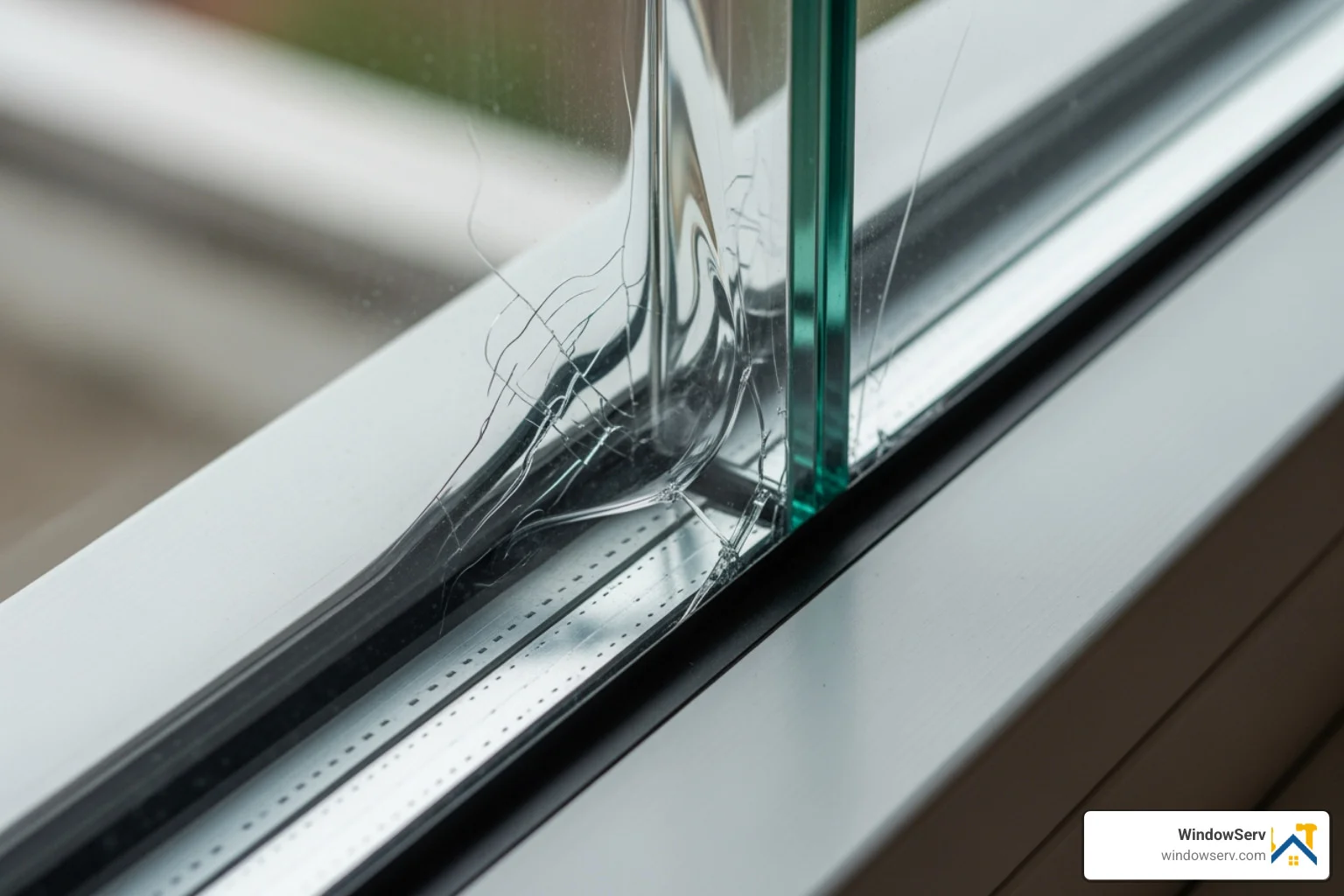
In New Jersey, our extreme freeze-thaw cycles accelerate this. When moisture gets trapped against the seal and freezes, it expands, further prying the glass away from the spacer. Once the seal is breached, the heavy argon or krypton gas—which provides superior insulation—leaks out at a rate much faster than the natural 1% per year.
If you are noticing these issues, our Professional Window Seal Repair Services can help determine if the unit is salvageable or if a glass swap is necessary. You can also learn more about the specific causes in our guide on Window Condensation Repair NJ.
Visible Signs of a Broken Seal
How do you know for sure that you need to reseal thermopane windows? Look for these tell-tale signs:
- Fogging or “Ghosting”: This is the most common symptom. Moisture appears between the panes, often looking like a smudge or fog that you can’t wipe off from either the inside or outside.
- Calcium Deposits: If moisture has been inside for a long time, it leaves behind white, mineral-like streaks or “river tracks” as it evaporates and reforms.
- Distorted Glass: When the gas escapes, a vacuum can sometimes form, causing the glass panes to bow inward and making reflections look “funhouse” distorted.
- Drafty Frames: If the seal between the IGU and the window sash has failed, you’ll feel air moving through the edges of the glass even when the window is locked tight.
For a deeper dive into these symptoms, check out our article on Fixing Foggy Double Pane Windows.
The 2026 Thermal Gap Challenge
In 2026, we are seeing a phenomenon we call the “Thermal Gap.” Modern energy codes now demand much lower U-factors (often 0.22 or lower for northern climates). Many legacy frames in older New Jersey homes were designed for thinner, less efficient glass.
When you attempt to reseal thermopane windows in an old frame, you might find that the frame itself is the weak link. Thermal bridging through old aluminum or rotting wood sashes can negate the benefits of a new seal. Furthermore, modern high-performance IGUs are often thicker than the “pockets” in 30-year-old sashes. Before you start a repair, it’s vital to use the Replace Windows or Reglaze? Use the 2026 ‘Thermal Gap’ Test to see if your frames can even support a modern, energy-efficient repair.
The Reality of Trying to Reseal Thermopane Windows
We often get calls from homeowners in Jersey City or Summit asking if we can just “glue the edges back together.” While we wish it were that simple, the internal desiccant (the moisture-absorbing material inside the spacer) is usually saturated by the time you see fog.
A true “reseal” involves more than just a bead of caulk. It requires removing the moisture, replacing the desiccant, and refilling the inert gas—which is nearly impossible to do effectively in the field. This is why Double Pane Window Repair and Replacement usually involves replacing the IGU itself.
For the Honest Answer on whether a Double‑Pane Window Seal Can Be Repaired, the consensus is that once the hermetic seal is gone, the unit’s thermal value is permanently compromised.
When to Reseal Thermopane Windows Instead of Replacing Glass
There are specific instances where “resealing” is the correct terminology and the right path:
- Perimeter Leaks: If the glass unit itself is clear (no internal fog) but you feel a draft, the seal between the glass and the frame has failed. This can be fixed with professional glazing and caulking.
- Frame Integrity: If you have historic wood windows where the frame is in excellent shape, we can often perform a “reglaze” which involves a new IGU and fresh sealant.
- Temporary Fixes: If you are in the middle of a New Jersey winter and can’t wait for a custom glass order, applying a temporary perimeter seal can stop the draft until spring.
Learn more about these nuances in How to Reseal Windows (Without Replacing Them).
Professional Defogging vs. Resealing
Defogging is a cosmetic service. A technician drills a tiny hole in the glass, sprays in a cleaning solution, dries the interior, and installs a “one-way” vent.
While this clears the view, it does not restore the argon gas or the original energy efficiency. In fact, it turns your insulated window into a vented window. If you want a permanent fix that lowers your energy bills, Foggy Window Glass Replacement is the only way to go.
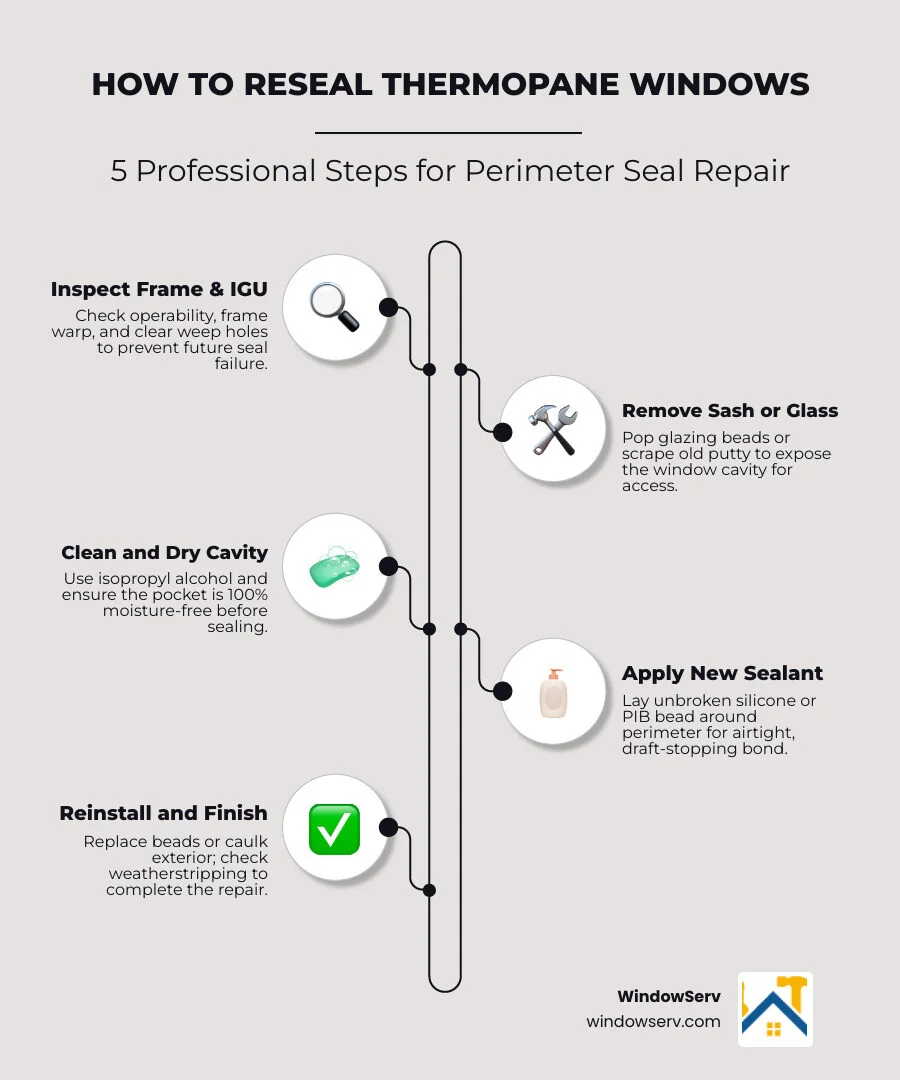
How to Reseal Thermopane Windows in 5 Simple Steps
If you are dealing with a perimeter seal failure (where the IGU is still clear but the air is leaking around it), here is the professional process we use at WindowServ. Please note: if the fog is inside the glass, skip to the replacement section.
Step 1: Inspect the Frame and IGU
Before starting, perform an “Operability Test.” Does the window open and close smoothly? If the frame is warped, a new seal will just break again. Check the “weep holes” at the bottom of the frame. If these are clogged, water will back up and rot your seals from the bottom up.
Step 2: Remove the Window Sash or Glass
For most vinyl or aluminum windows, you’ll need to pop off the glazing beads (the plastic strips holding the glass in). For older wood windows, you may need a heat gun and a putty knife to carefully remove old, brittle glazing putty.
Step 3: Clean and Dry the Cavity
Once the edges of the glass unit are exposed, use isopropyl alcohol to remove old oils, dirt, and failed sealant. If there is any moisture in the “pocket” where the glass sits, it must be 100% dry before applying new sealant, or you’ll trap that moisture against the frame.
Step 4: Applying New Sealant to Reseal Thermopane Windows
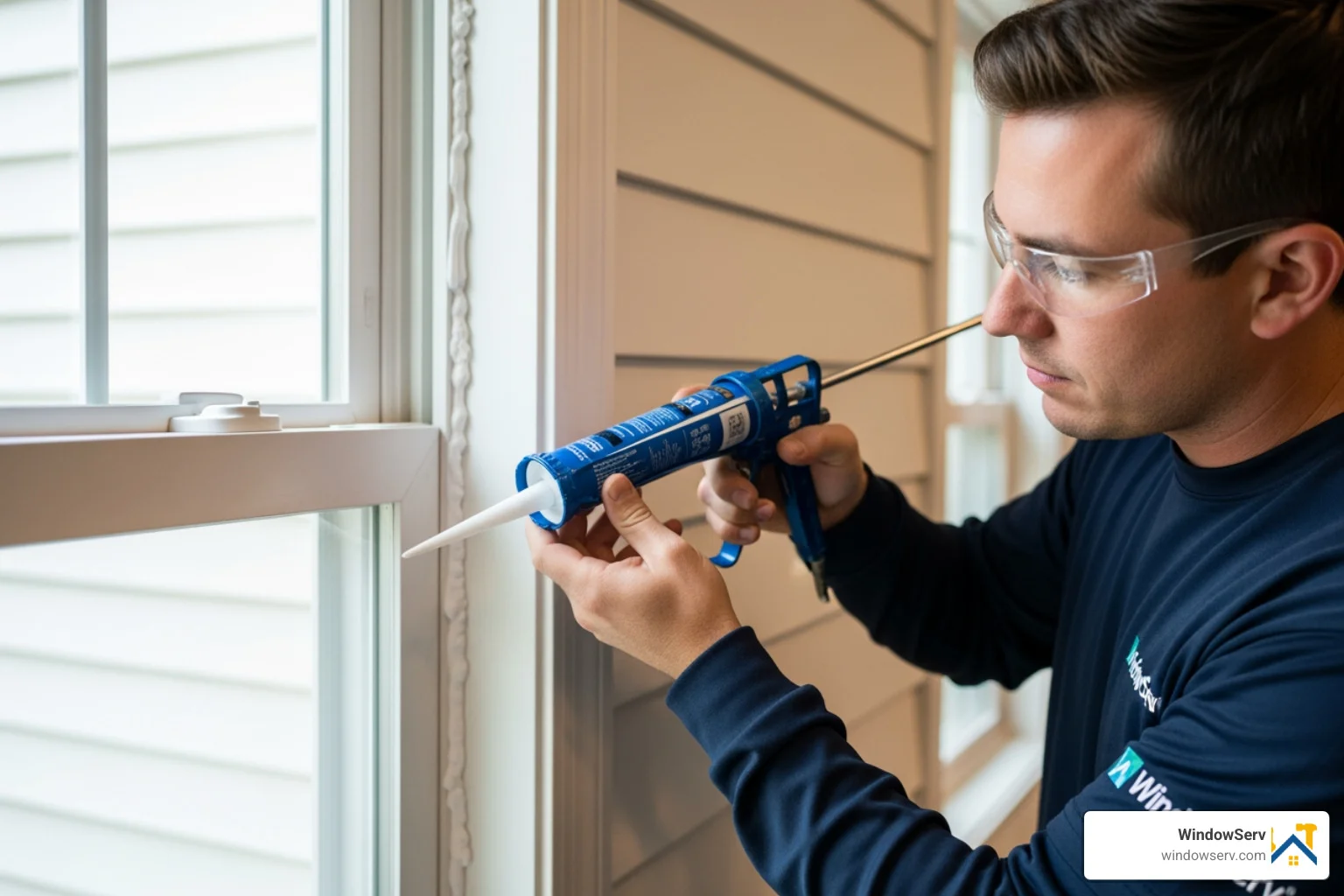
This is the most critical step. We use high-performance, 100% silicone sealant or polyisobutylene (PIB) for the perimeter. Apply a consistent, unbroken bead around the entire edge where the glass meets the spacer or the frame. This creates the airtight bond needed to stop drafts.
Step 5: Reinstall and Apply External Glazing
Carefully snap the glazing beads back in or apply a fresh bead of exterior-grade caulk. Ensure the weatherstripping is intact. If you’re curious about the financial breakdown of this process, see our guide on Window Seal Replacement Cost.
Cost Analysis and Replacement Options
When deciding whether to reseal thermopane windows or replace them entirely, it helps to look at the numbers. In 2026, labor rates in Northern New Jersey (like Essex and Bergen counties) typically range from $80 to $150 per hour for skilled glaziers.
| Service | Typical Cost (per window) | Result | Energy Efficiency |
|---|---|---|---|
| Defogging | $75 – $150 | Clear Glass (Temporary) | Low (No gas restored) |
| Resealing (Perimeter) | $100 – $250 | Stops Drafts | Medium |
| IGU Replacement | $150 – $400 | New Glass/Clear View | High (Restores Gas) |
| Full Replacement | $500 – $1,200+ | New Frame & Glass | Maximum |
For most homeowners in our service area, Local Window Repair and Replacement Services that focus on IGU replacement offer the best “bang for your buck,” saving the original frame while providing a brand-new, factory-sealed glass unit.
DIY Risks and Warranty Considerations
We love a good DIY project, but resealing the internal part of a thermopane window is one of the few things we strongly advise against. Why?
- Gas Loss: You cannot DIY a pressurized argon fill. Without the gas, your window’s U-factor drops significantly.
- Warranty Voiding: Most major window manufacturers have 10-20 year warranties. If you attempt a DIY repair, you instantly void that coverage.
- Glass Breakage: Modern tempered or Low-E glass is fragile. One wrong move with a putty knife can turn a $200 repair into a $1,000 emergency.
If your windows are relatively new, check the spacer for a serial number. You might be eligible for a free replacement through the manufacturer. If not, we provide Window Seal Repair in New Jersey with a satisfaction guarantee.
Preventing Future Seal Failure
To make your new seals last another 20 years:
- Avoid Pressure Washers: Never blast your windows with high-pressure water. It can force water past the seals and into the IGU pocket.
- Maintain Drainage: Keep those weep holes clear so water doesn’t sit against the bottom seal.
- Check Your Caulk: Once a year, inspect the exterior caulk where the window meets the house siding.
For more professional tips, visit our Professional Foggy Window Solutions page.
Frequently Asked Questions about Thermopane Repair
Can I refill the argon gas myself?
No. Argon refilling requires specialized tanks, vacuum-sealed valves, and a controlled environment to ensure the gas stays pure and pressurized. Field-refilling is generally not considered an industry-standard practice because it rarely holds for more than a few months.
Is window defogging a permanent fix?
Rarely. While it removes the visible fog, the desiccant inside the window is already “spent.” Eventually, the one-way vents can clog or the seal can fail further, leading to the return of moisture or even mold growth inside the panes.
How long do new window seals typically last?
By 2026 standards, a professionally installed IGU with a high-quality secondary seal should last 15 to 25 years. However, windows on the south or west side of your home (exposed to the most “solar pumping”) may fail sooner than those in the shade.
Conclusion
At WindowServ, we believe that you shouldn’t have to replace your entire home’s windows just because a few seals have failed. Our goal is to provide comprehensive, professional restoration that saves your original frames while delivering up to 30% in energy savings.
Whether you’re in Hoboken, Paramus, or Westfield, our local NJ experts are ready to help you see clearly again. We offer a satisfaction guarantee on all our work, ensuring your home remains comfortable and efficient for years to come.
Don’t let foggy glass ruin your view or your energy bill.
Schedule your professional double-pane window repair today and let us help you find the most cost-effective solution for your home.