
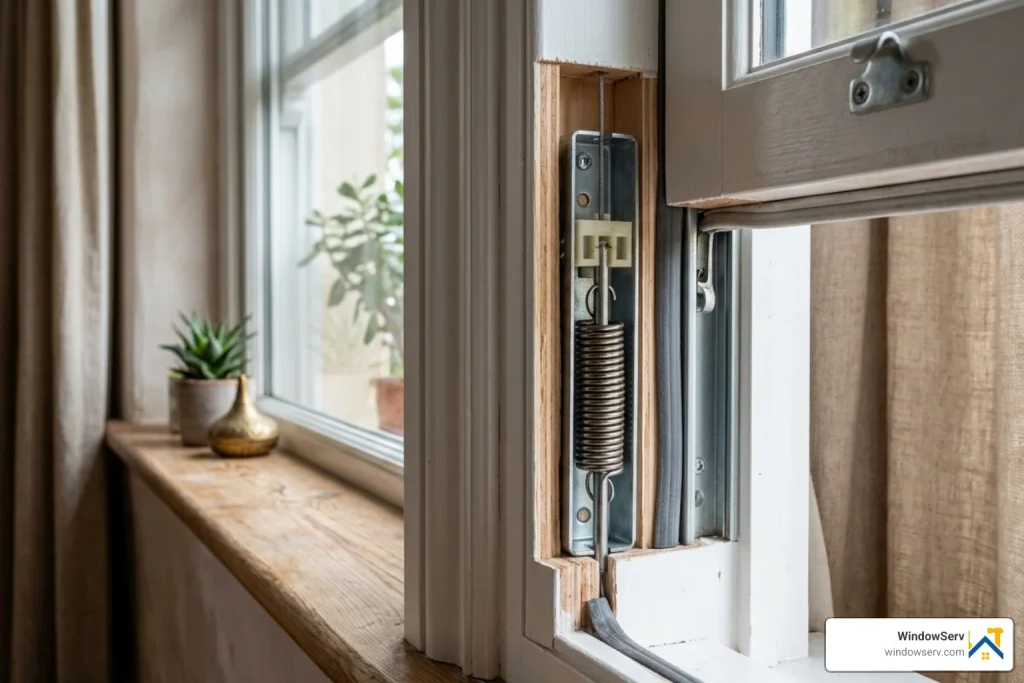
Understanding Window Balance Repair and How Systems Work Interior view of a window jamb showing the hidden balance mechanism – window balance repair To fix a window, you first have
Understanding Window Balance Repair and How Systems Work
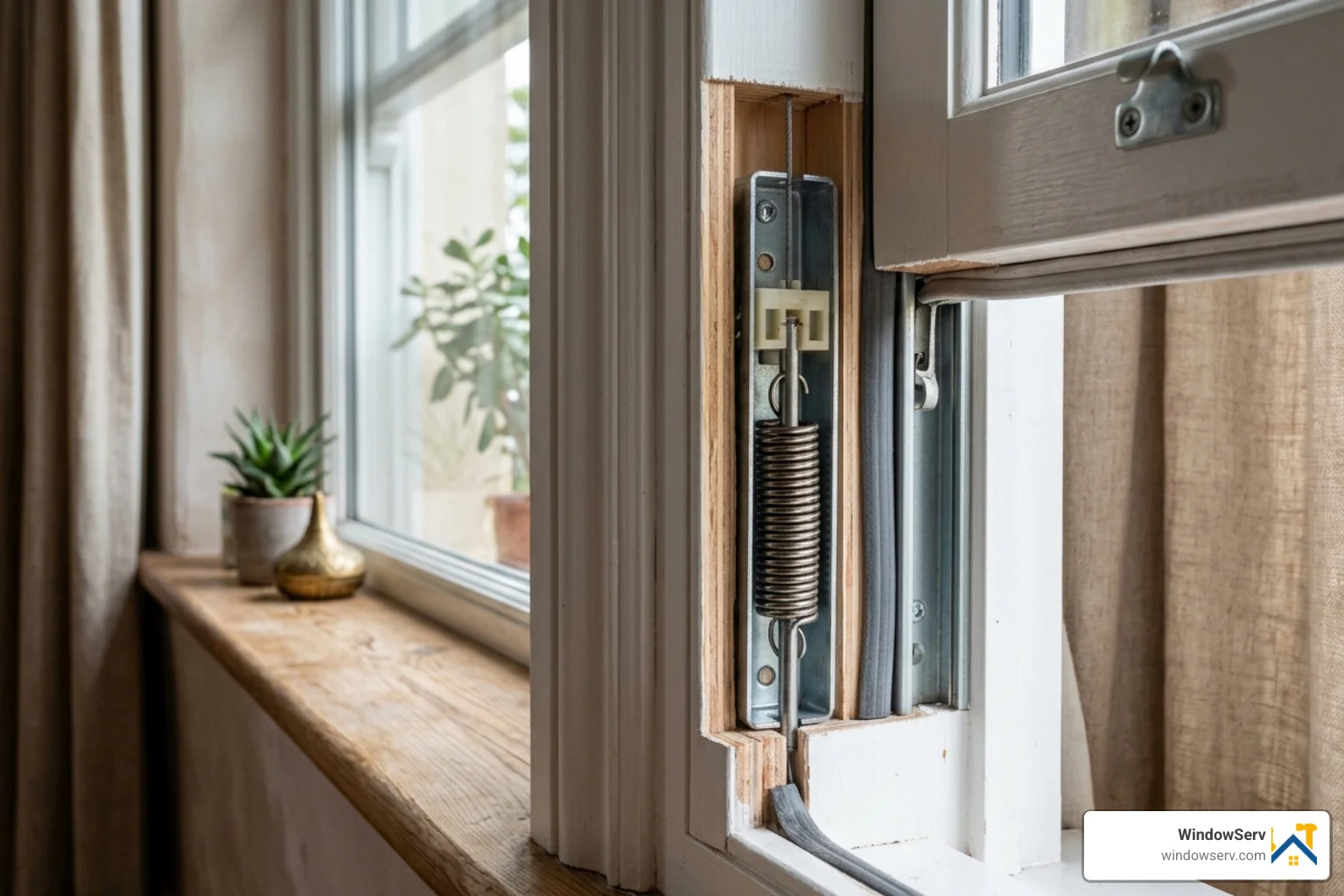
To fix a window, you first have to understand the invisible tug-of-war happening inside your walls. A window balance is a hidden mechanical device located within the window frame (the jamb) that counterbalances the weight of the sash. Whether you have a single-hung window (where only the bottom moves) or a double-hung window (where both move), gravity is always trying to pull that glass down.
The balance provides the “lift” or upward tension that makes a 20-pound sash feel like it weighs next to nothing. When this system fails, the window becomes a heavy, dangerous guillotine. According to experts at Everything You Need to Know: Window Balances, these mechanisms allow windows to open smoothly and stay in place at any height. If you’re noticing issues beyond just the lifting mechanism, you might also need more general window repair services to ensure the frame and glass are still in peak condition.
Identifying Common Signs Your Window Balance Needs Repair
In our experience across New Jersey—from the humid summers in Monmouth to the freezing winters in Bergen County—window balances take a beating. Here are the tell-tale signs that yours have reached the end of the road:
- The “Slam-Shut”: You open the window, let go, and it immediately crashes back down. This is the most dangerous sign of a snapped spring or broken cord.
- Excessive Heaviness: If you feel like you’re doing a heavy deadlift just to get some fresh air, the tension in your balances has likely fatigued.
- The “Crooked Sash”: If one side of the window lags behind the other, causing the sash to tilt or jam, one of the two balances has likely failed.
- Squeaking and Groaning: High humidity in places like Jersey City or Hoboken can cause unlubricated metal parts to screech. This is often a cry for help before total failure.
- Visible Debris: If you see frayed cotton cords, loose springs, or bits of plastic falling out of the side tracks, the internal components are literally falling apart.
If your window is simply sticking but the weight feels okay, you might just need window adjustment services to realign the tracks.
Different Types of Window Balance Systems
Not all windows are built the same. Before you start your window balance repair, you need to know which system you’re dealing with.
| Balance Type | Mechanism | Common Era/Usage | Typical Lifespan |
|---|---|---|---|
| Block-and-Tackle | Pulley system with a hidden spring in a metal channel | Modern vinyl and aluminum windows | 10–15 Years |
| Spiral | A spring-loaded rod inside a tube that requires winding | Popular in 1970s–90s wood/vinyl windows | 12–18 Years |
| Constant Force | A stainless steel coil that unrolls like a tape measure | Newest high-efficiency windows | 20+ Years |
| Cord and Weight | A lead weight on a cotton cord over a pulley | Historic NJ homes (pre-1950) | 50+ Years (cords fail first) |
Preparation: Identification, Tools, and Safety
Before we get our hands dirty, we need the right gear. Safety is paramount—window sashes are heavy, and balances are under high spring tension.
Required Tools:
- Safety glasses and work gloves
- Phillips and flathead screwdrivers
- Needle-nose pliers
- A “balance tensioning tool” (specifically for spiral balances)
- Dry silicone spray lubricant
- A sturdy wooden block (to prop up the sash if working alone)
If the window frame itself is damaged or the wood is soft, you may need to look into window sash replacement or window restoration before the new balances will work correctly.
How to Identify Your Balance Specifications
You cannot buy window balances by the “window brand” alone. Manufacturers like Andersen or Pella use dozens of different balance types. To get the right part, you usually need to remove the old one. Look for:
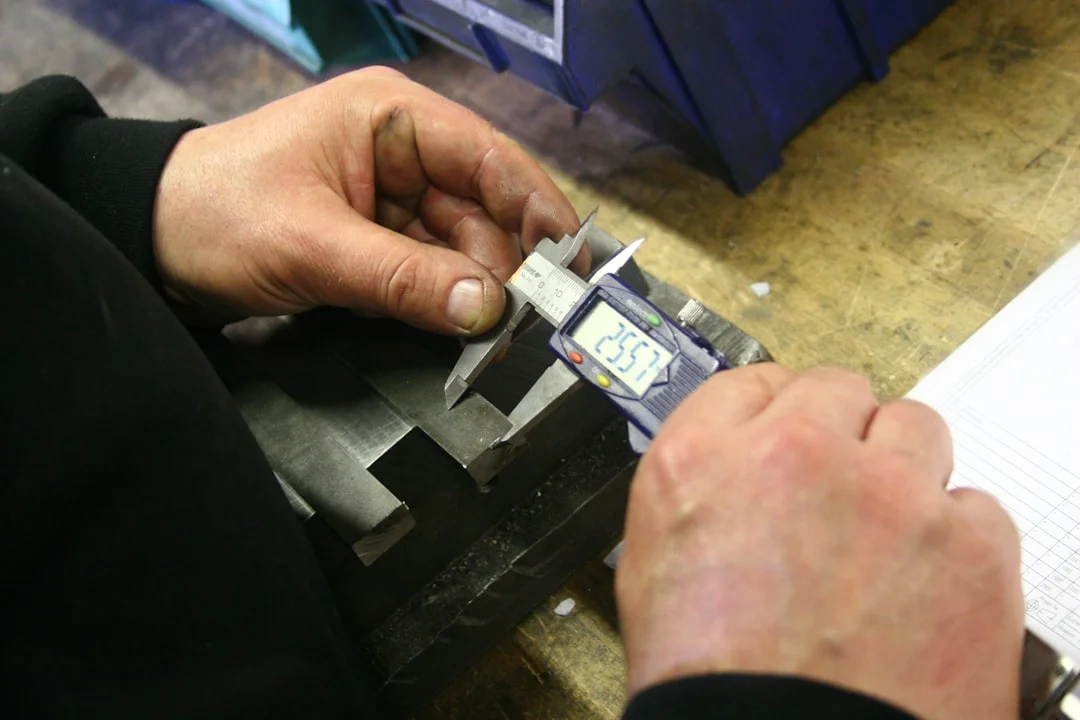
- The Stamp: Most metal balances have a four-digit number stamped on them (e.g., “28 3” or “28 C”). The first two digits usually refer to the length, while the letter or last digit refers to the weight capacity.
- The Length: Measure the metal housing only—do not include the plastic “shoes” or “attachments” at the ends.
- Tip Color: On spiral balances, the color of the plastic tip (white, red, blue, or black) indicates the weight range the spring can handle.
Measuring Sash Weight for Correct Strength
If the stamp is missing or illegible, you must weigh the sash. This is a critical step in window spring replacement.
Remove the sash and hop on your bathroom scale. Then, weigh yourself holding the sash and subtract your weight. If a sash weighs 20 lbs, you need two balances calibrated for 10 lbs each. Using a balance that is too “strong” will make the window pop open on its own; one that is too “weak” won’t hold it up.
The 5-Step Guide to Window Balance Replacement
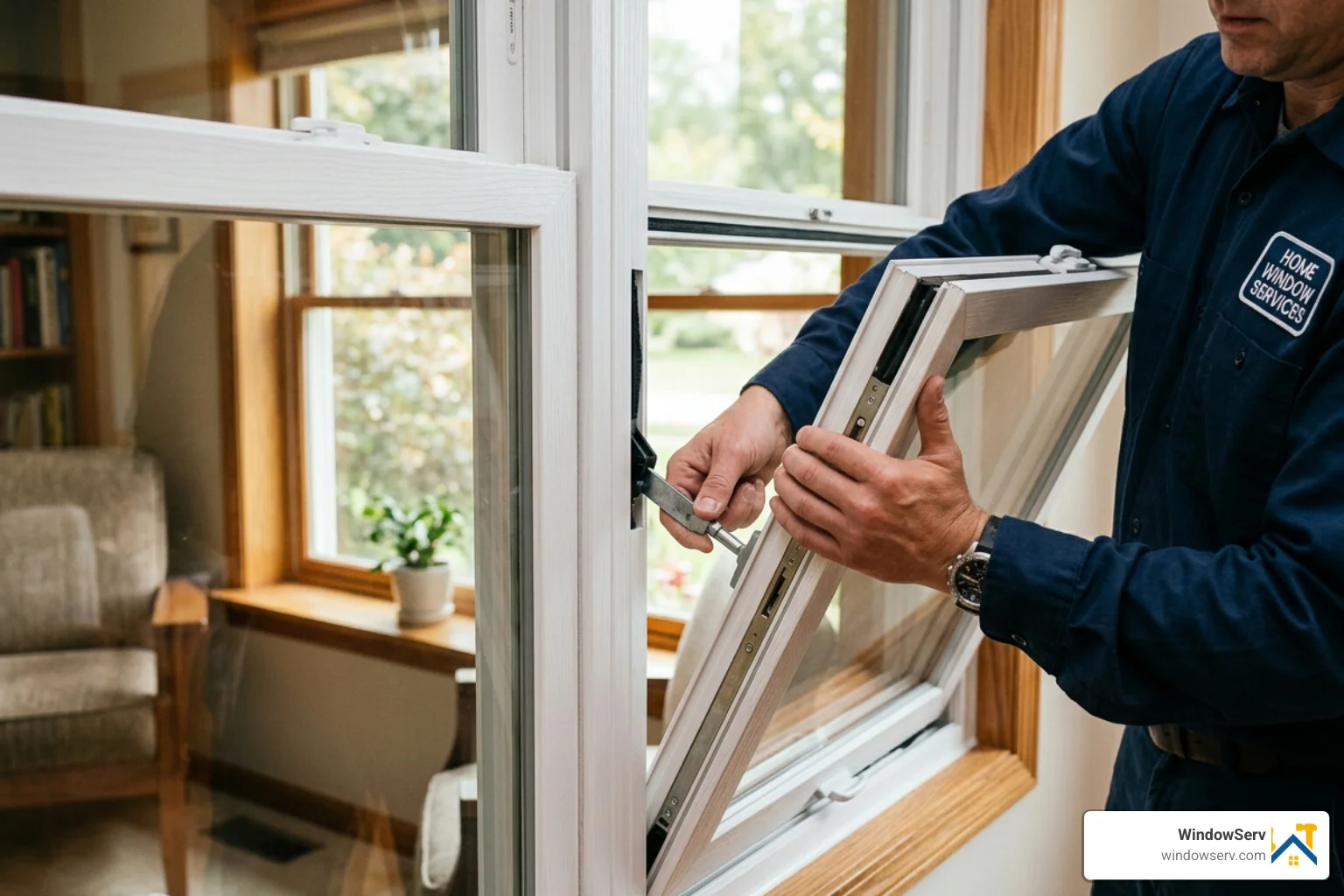
Follow this process to restore your window’s operation. For more complex setups, you can refer to the How to Repair or Replace a Window Balance – Engineer Fix guide, but these five steps cover the majority of NJ residential windows.
Step 1: Sash Removal and Access
Most modern windows have “tilt-in” sashes. Slide the window up a few inches, pull the tilt latches toward the center, and fold the sash down 90 degrees. Lift it out of the pivot shoes and set it safely on a carpeted floor. If your windows are older “non-tilt” models, you may need to remove the side stops or “take-out clips” (small metal tabs located about 6–8 inches from the top of the frame).
Step 2: Removing the Old Balance
For block-and-tackle (channel) balances, pull the balance down slightly to release it from the take-out clip, then tilt the top toward you and slide it out. For spiral balances, you’ll need to use your tensioning tool to unhook the rod from the “shoe” at the bottom of the track. Be careful—once unhooked, the spring will want to spin rapidly. Hold it firmly!
Step 3: Installing the New Balance
Slide the new balance into the jamb. Ensure the top hook or screw hole aligns perfectly with the original mounting point. We always recommend replacing balances in pairs. If the left one snapped, the right one is likely weeks away from doing the same. Installing them together ensures window installation standards are met and the tension remains even.
Step 4: Adjusting Tension and Pre-tensioning
This step is primarily for spiral balances. Once the balance is mounted at the top, use your tensioning tool to pull the spiral rod down to the pivot shoe. Rotate it clockwise. A general rule of thumb is two to three full turns once you feel resistance. This “pre-loads” the spring so it’s ready to catch the weight of the sash.
Step 5: Reinstallation and Final Testing
Place the sash back into the pivot shoes. Slowly raise and lower the window. It should move with “one-finger” ease and stay exactly where you leave it. If it creeps down, add one more turn of tension. If it’s hard to pull down, release a turn. Finish by spraying the tracks with dry silicone—never use oil-based lubricants like WD-40, as they attract NJ dust and grime, which leads to window wood rot repair issues over time.
Avoiding Common Mistakes During Window Balance Repair
Even the handiest DIYers make mistakes. Here’s what we see most often in the field:
- Replacing Only One Side: This is the #1 mistake. An old spring and a new spring will have different “pull,” causing the sash to twist and eventually breaking the new balance prematurely.
- Forcing the Movement: If the sash doesn’t slide in easily, don’t force it. You might have the wrong “shoe” size. Fittings can vary by as little as 1/32 of an inch.
- Ignoring the Hardware: While the sash is out, check your pivot bars and shoes. If they are cracked or brittle, the best balance in the world won’t fix the problem.
- Wrong Lubricant: Avoid grease or oil. These “wet” lubricants gum up the pulley systems in block-and-tackle balances. Use only “dry” silicone spray.
Frequently Asked Questions about Window Balances
Should I replace both window balances at the same time?
Yes, absolutely. Balances are rated for a certain number of “cycles” (openings and closings). If one has reached its limit, the other is right behind it. Replacing both ensures uniform tension and prevents the sash from tilting.
How long do window balances typically last?
In the New Jersey climate, you can expect 10 to 15 years. Factors like salt air (if you’re down the shore in Monmouth County) or heavy industrial dust can shorten this lifespan. Regular cleaning and a quick spray of silicone every six months can extend their life significantly.
Can I use a stronger balance for a heavy window?
No. You must match the balance to the actual weight of the sash. If you use a balance designed for a 30 lb sash on a 20 lb window, the window will likely “ghost” (open by itself) or be nearly impossible to lock, as the spring tension will constantly be pushing the sash upward.
Conclusion
Repairing your window balances is one of the most cost-effective ways to improve your home’s functionality. Not only does it make your daily life easier, but properly functioning windows seal better, contributing to the up to 30% energy savings we promise our clients at WindowServ.
Whether you’re in a historic brownstone in Jersey City or a modern home in Summit, you don’t have to live with windows that won’t stay open. If the DIY route feels a bit too daunting, or if you’ve discovered your frames need more than just a quick spring swap, our local NJ experts are here to help. We provide comprehensive solutions that save your original frames while restoring “like-new” operation.
Ready to fix those frustrating windows? Schedule your window balance replacement and repair with WindowServ today and experience the difference that professional expertise makes.