
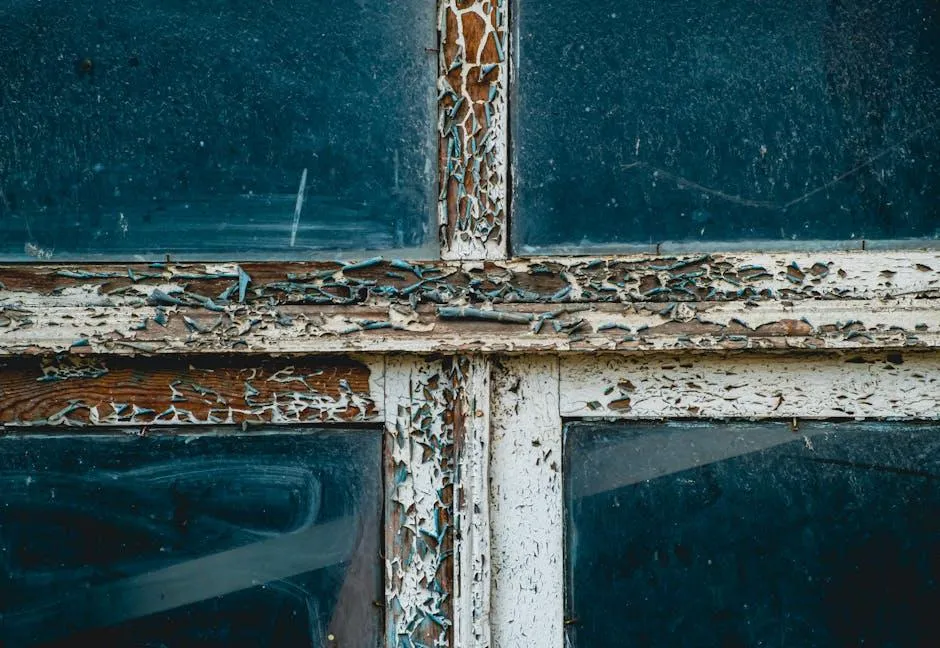
What Is Wooden Window Refurbishment — and Is It Worth It? Wooden window refurbishment is the process of restoring old timber window frames and sashes back to full working condition
What Is Wooden Window Refurbishment — and Is It Worth It?
Wooden window refurbishment is the process of restoring old timber window frames and sashes back to full working condition — rather than tearing them out and starting over.
Quick answer: For most older homes, refurbishment is the smarter choice. Here’s why:
-
Cost: Restoration runs $300–$800 per window vs. $1,000–$2,500+ for full replacement
-
Lifespan: A properly restored wood window can last another 20–40 years
-
Time: Restoration takes 2–5 days vs. 1–2 weeks or more for replacement
-
Energy: Restored windows with weatherstripping and storm windows can meet or exceed current energy codes
-
Best for: Windows with surface damage, peeling paint, broken ropes, stuck sashes, or minor rot
If you own an older New Jersey home, chances are your wooden windows are repairable — even if someone has told you otherwise.
Old wood windows were built from dense, close-grained timber like fir, cypress, and redwood that simply isn’t available anymore. That material quality alone makes them worth saving. And unlike modern replacement windows — which typically last around 20 years before seals fail or frames warp — a well-maintained original wood window can last well over a century.
This guide walks you through everything: from diagnosing damage and stripping old paint to reglazing, rehanging sashes, and improving energy efficiency. Whether you’re tackling it yourself or weighing the cost of hiring a pro, you’ll know exactly what’s involved.
Why Choose Restoration Over Replacement?
When we visit homes in historic districts like Montclair or Ridgewood, homeowners often ask: “Why shouldn’t I just buy new vinyl windows?” The answer lies in the quality of the material. Most windows built 50 to 100 years ago were constructed from old-growth timber. This wood is incredibly dense, resinous, and naturally rot-resistant—qualities you won’t find in the fast-growth pine used in big-box store replacements today.
Choosing Window Restoration services allows you to keep the architectural soul of your home. Beyond aesthetics, it is a sound financial move. Professional restoration typically costs 40–70% less than a full high-quality wood replacement. While a new wood window can easily exceed $2,500 per unit once installation is factored in, refurbishment keeps your budget under control while actually increasing property value by maintaining historic integrity.

Improving Energy Efficiency Through Wooden Window Refurbishment
A common myth is that old windows are inherently “energy losers.” In reality, most heat loss doesn’t happen through the glass; it happens through the gaps around the sashes. By performing a Window Adjustment and installing modern weatherstripping, we can eliminate drafts entirely.
When a restored wood window is paired with a high-quality storm window, its thermal performance can actually exceed 2012 energy code requirements. This combination provides a dead-air space that rivals the insulating properties of modern double-pane units, often resulting in up to 30% energy savings for New Jersey homeowners.
Environmental Benefits of Refurbishing Wooden Windows
We are big believers in sustainability. Every time a window is “replaced,” the old unit—often made of superior materials—ends up in a landfill, while the new unit (frequently plastic-based) carries a heavy carbon footprint from manufacturing and shipping. By choosing wooden window refurbishment, you are participating in the ultimate form of recycling. You are preserving a carbon-sequestering material that has already proven it can stand the test of time for a century or more.
Comparing Costs and Lifespan
The numbers speak for themselves. While the initial “cheap” price of a vinyl insert might look tempting, those units are designed for obsolescence. They cannot be repaired; when the seal fails or the plastic warps, you have to buy a new one.
Feature Restoration/Refurbishment Full Wood Replacement Typical Cost $300 – $800 $1,000 – $2,500+ Expected Lifespan 20 – 40+ Years 15 – 25 Years Material Quality Old-growth (Fir/Cypress) New-growth (Pine/Composite) Repairability High (All parts replaceable) Low (Often disposable) ROI High (Preserves historic value) Variable
Essential Tools and Safety for DIY Wooden Window Refurbishment
If you’re a “putty head” (as we affectionately call window enthusiasts) and want to tackle this DIY, you’ll need more than just a screwdriver. A proper toolkit ensures the job is done safely and correctly. Essential items include a high-quality glass scraper, a variety of chisels, and a stiff-blade putty knife. For more advanced work, an infrared paint remover or a steam box can help soften old glazing and paint without damaging the wood or vaporizing lead.
Safety is paramount. Most homes in New Jersey built before 1978 contain lead-based paint. When performing Window Repair, you must follow the EPA RRP (Renovation, Repair, and Painting) rules. This includes using 6-mil plastic sheeting to contain dust, wearing a P100 respirator, and using a HEPA-filtered vacuum for cleanup. Never use high-heat guns (over 1000°F) on lead paint, as this creates toxic fumes.
Materials for Professional-Grade Results
To get results that last 30 years or more, don’t skimp on materials. We recommend:
-
Epoxy Consolidants: These “liquid wood” products soak into soft fibers to strengthen them.
-
Linseed Oil Putty: Traditional and breathable, it’s the gold standard for glazing.
-
Oil-Based Primers: Essential for sealing raw wood before painting.
-
Enamel Paint: Provides a hard, durable finish that won’t stick (or “block”) when the window is closed.
In cases where the wood is too far gone, a Window Sash Replacement using an authentic reproduction might be necessary, but the frame can almost always be saved.
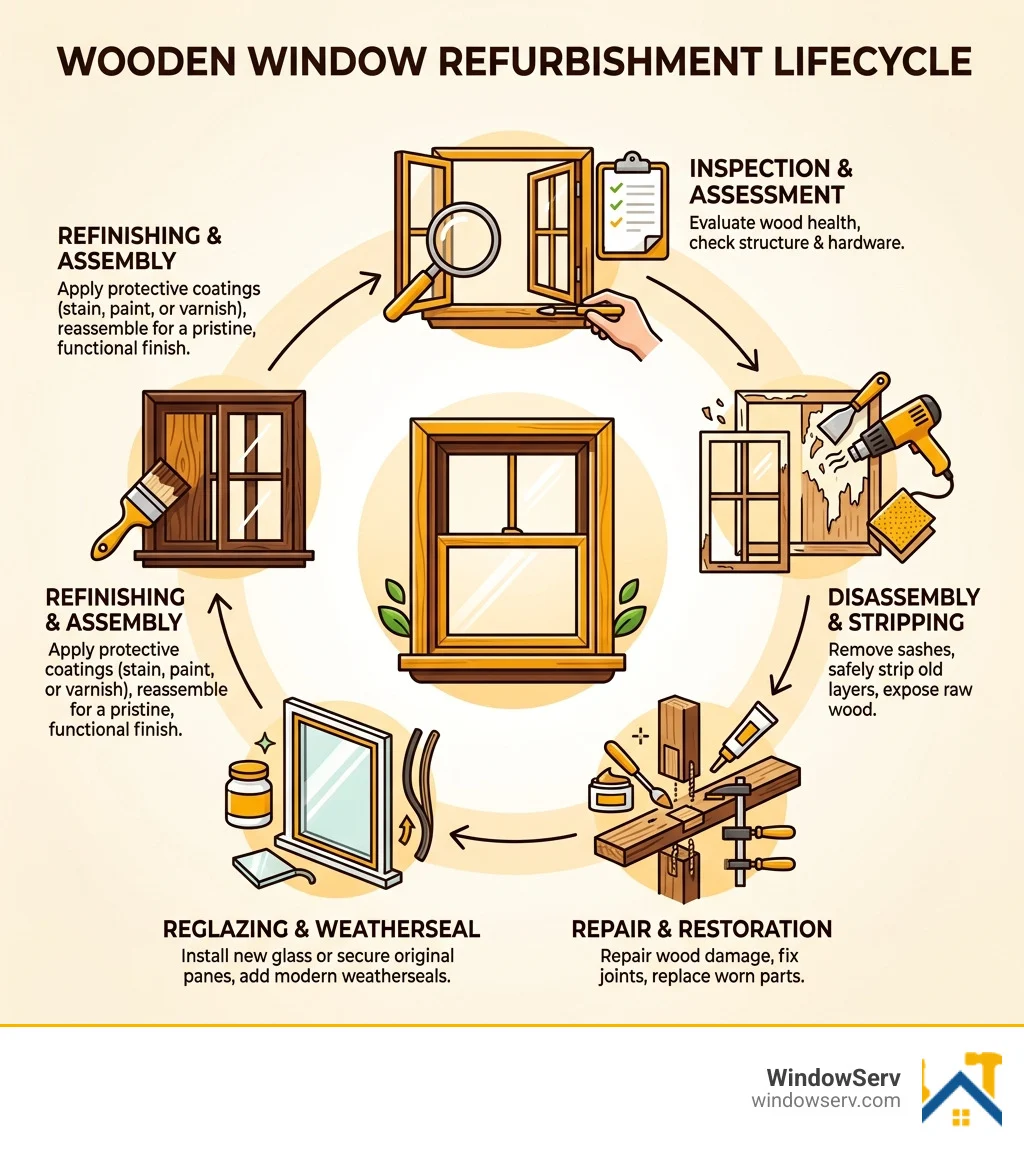
Step-by-Step Process for Refurbishing Wooden Window Sashes
The secret to a successful wooden window refurbishment is being methodical. We start by labeling everything. You’d be surprised how much “character” (slight variations in size) these old windows have!
-
Remove Window Stops: Carefully pry off the vertical strips of wood on the interior. Pull nails through the back of the wood to avoid splintering the face.
-
Extract the Bottom Sash: Once the stops are gone, the bottom sash should swing out. Detach the sash cords or chains.
-
Remove the Parting Bead: This is the thin strip of wood between the two sashes. These are often painted in place and may break—don’t worry, they are easily replaced.
-
Extract the Top Sash: With the parting bead gone, the top sash can be removed.
Deglazing and Paint Removal
This is the “messy” part that requires patience. We use infrared heat to soften the 50-year-old rock-hard putty. Once softened, the putty can be chiseled out, allowing you to remove the glass. If you’re lucky enough to have original “wavy” glass, handle it like a diamond! It’s irreplaceable.
After the glass is out, we strip the paint down to the bare wood. For those in a hurry, Window Glass Replacement is an option if panes are cracked, but we always try to save the original glass whenever possible.
Wood Repair and Structural Consolidation
Before you reach for the paint, you must address the “soggy” spots. Use the screwdriver test: if you can push a screwdriver into the wood with little resistance, you have rot.
For small areas, we use Window Wood Rot Repair techniques involving wood epoxy. You chisel out the rot, apply a consolidant, and then fill the void with epoxy putty. For massive failures, a “Dutchman repair” is used—this involves cutting out the bad wood and splicing in a new piece of matching timber. This is often the best route for Rotten Window Frame Repair on the sill, where water tends to sit.
Glazing and Painting for Longevity
Once the sash is repaired and primed, it’s time to “bed” the glass. Apply a thin bead of putty in the rabbet (the groove), press the glass in firmly, and secure it with glazier points. Then comes the “face glazing”—applying a 45-degree bevel of putty around the exterior.
Pro Tip: Let the putty cure for at least 3 to 7 days (depending on the weather in places like Jersey City or Hoboken) before painting. When you do paint, ensure the paint laps onto the glass by about 1/16th of an inch. This creates a “weather seal” that prevents water from getting behind the putty. For modern upgrades, some homeowners opt for Double Pane Window Repair and Replacement if their sashes can be modified to fit thicker glass, though this is rare in historic restorations.
Restoring Smooth Operation: Ropes, Weights, and Hardware
A window that doesn’t open is just a wall you can see through. To restore that “one-finger” operation, we look at the internal balance system. Most old NJ windows use a system of cast-iron weights hidden behind the wall.
If your window won’t stay up, you likely need Window Balance Replacement and Repair. We often find that pulleys are gummed up with decades of paint. Stripping them back to the metal and adding a drop of light oil can work wonders.
Replacing Sash Cords and Springs
Don’t use cheap nylon rope from the hardware store; it will stretch and break in a few years. We use Samson Spot Cord, a high-quality cotton rope with a wire center designed specifically for windows.
To replace the cord, you’ll need to open the “pocket door” located in the side of the window jamb. This gives you access to the weights. We ensure the weight is roughly equal to the weight of the sash for perfectly balanced movement. In some later models, you might be dealing with Window Spring Replacement instead of weights, which requires a slightly different tensioning tool.
Weatherstripping and Draft Prevention
The final touch in wooden window refurbishment is making the unit airtight. We use traditional bronze “V-seal” weatherstripping. It’s nearly invisible when installed but provides a permanent tension seal against the sash.
We also pay close attention to the meeting rail (where the two sashes touch in the middle). Adding a simple silicone bulb seal here can stop the most common source of drafts. If you’re noticing moisture between panes of a more “modern” old window, you may need Foggy Window Glass Replacement for the insulated units, but for true historic single-pane windows, a good storm window is your best friend.
Frequently Asked Questions about Wooden Window Refurbishment
How much does it cost to refurbish a wooden window?
If you go the DIY route, your materials (putty, rope, sandpaper, paint) will likely cost less than $50 to $150 per window. Professionally, in the New Jersey market, expect to pay between $300 and $800 per unit. This varies based on the amount of rot and whether you want the sashes stripped to bare wood or just stabilized and repainted.
How long does a restored wooden window last?
With basic maintenance (a fresh coat of paint every 7–10 years and checking the putty), a restored window can easily last 20 to 40 years. Because the components are made of wood and glass, they can be repaired indefinitely—unlike vinyl windows which have a “one and done” lifespan.
Is it safe to refurbish windows with lead paint?
Yes, provided you use “lead-safe” work practices. This means no dry sanding, no high-heat stripping, and meticulous cleanup with a HEPA vacuum. If you have young children in the home, we always recommend having a professional handle the paint removal stage to ensure 100% containment.
Conclusion
At WindowServ, we believe that the windows of your New Jersey home are a legacy worth preserving. From the historic streets of Summit and Westfield to the classic brownstones of Jersey City, these windows have stood the test of time.
Choosing wooden window refurbishment isn’t just about saving money—it’s about choosing quality, sustainability, and the incomparable charm of original craftsmanship. Whether you need a simple rope replacement or a full-scale Professional Window Restoration, our team of local NJ experts is here to help. We provide comprehensive solutions that save your original frames while delivering up to 30% energy savings.
Ready to see your windows move with a single finger again? Contact us today for a consultation and let us help you bring the beauty and efficiency back to your home’s original windows.