
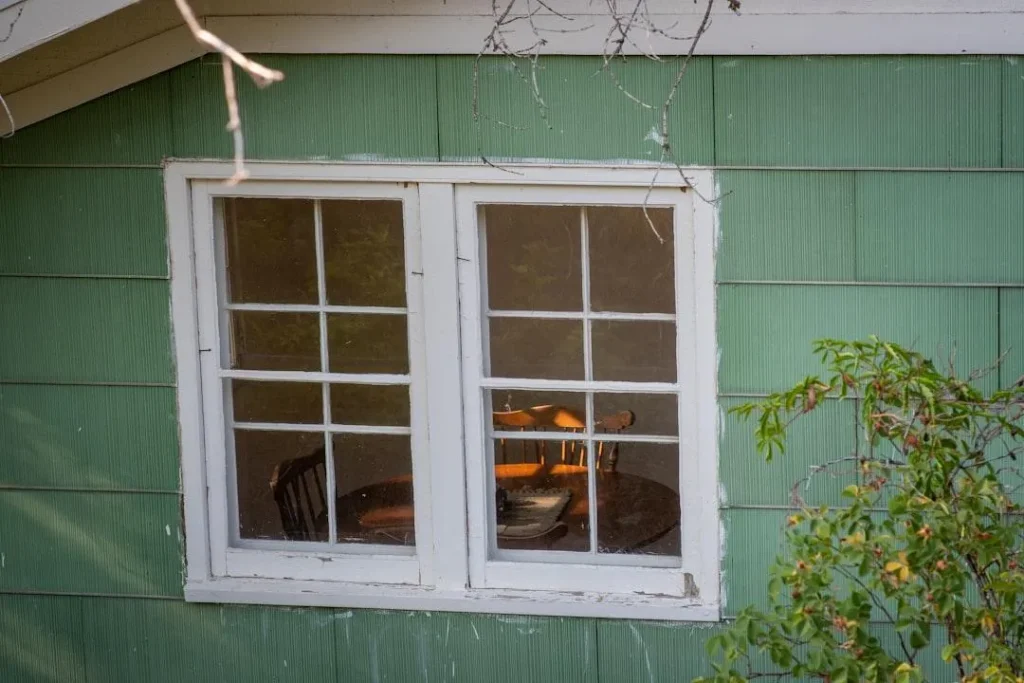
Why Drafty Windows Are Costing You Money Right Now Window weatherstripping replacement is one of the most effective ways to stop energy loss, block drafts, and lower your utility bills
Why Drafty Windows Are Costing You Money Right Now
Window weatherstripping replacement is one of the most effective ways to stop energy loss, block drafts, and lower your utility bills — often saving homeowners up to 10% on heating and cooling costs.
If your windows are letting in cold air, here’s what you need to know fast:
What You Need Quick Answer Why replace it? Old seals let in drafts, moisture, and pests — and drive up energy bills How often? Every 7–9 years, or sooner if you feel drafts or see cracked foam DIY or pro? Simple foam tape is DIY-friendly; kerf seals and historic windows need a pro Cost to DIY As low as $5–$10 in materials for a single window Time to complete About 1 hour per window for most homeowners
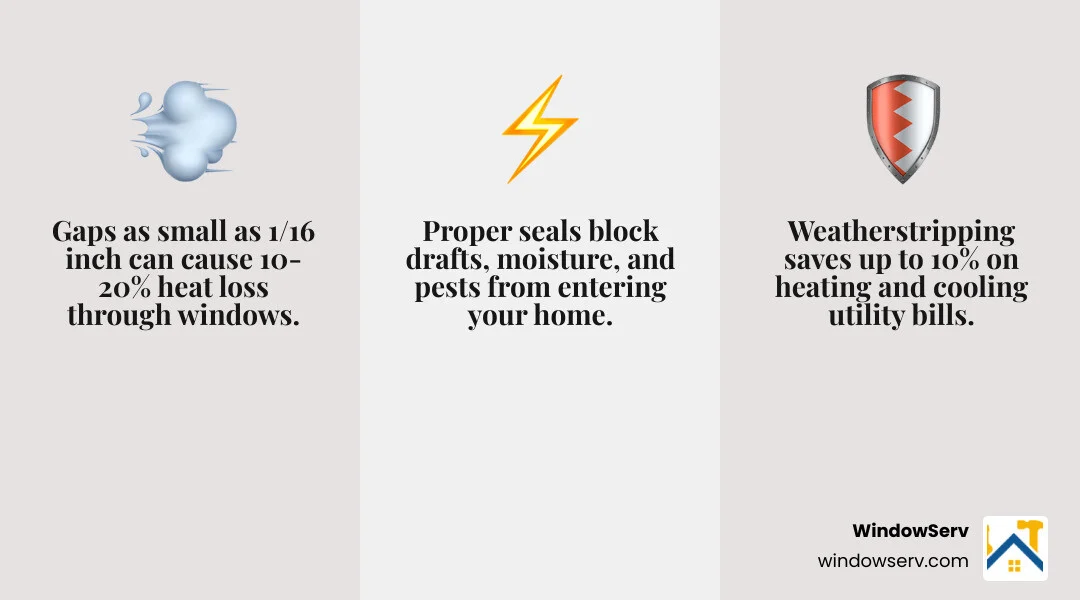
For Jersey City homeowners dealing with older brownstones and brutal Northeast winters, worn weatherstripping isn’t just uncomfortable — it’s expensive. Gaps as small as ¼ inch between a window sash and frame can quietly drain heat all season long.
I’m Feiruz Gabibov, COO of WindowServ, and I’ve overseen hundreds of window weatherstripping replacement projects across New Jersey, giving me insight into what works — and what fails. Below, I’ll walk you through everything you need to make the right call for your home.
Why Window Weatherstripping Replacement is Essential for NJ Homeowners
Living in the Northeast means our windows take a beating. From the humid summers in Hudson County to the freezing winds whipping off the Hudson River, your window seals are your home’s first line of defense. According to the Department of Energy, weatherstripping double-hung or sash windows can provide a significant 5-10% boost in energy savings.
But it isn’t just about the money. Proper window weatherstripping replacement offers several key benefits:
-
Moisture Protection: In areas like Hoboken and Jersey City, rain and snow can seep through tiny gaps, leading to wood rot and mold.
-
Pest Control: Gaps in your windows are essentially “Welcome” mats for ants, spiders, and stinkbugs.
-
Noise Reduction: If you live near a busy street in Newark or Jersey City, fresh weatherstripping acts as a sound dampener, making your home significantly quieter.
-
Enhanced Comfort: No more “cold spots” while you’re trying to enjoy coffee by the window.
To ensure your home is fully protected, you should also know how to prepare your windows for winter by checking caulking and glass integrity alongside your weatherstripping.
Identifying Signs You Need Window Weatherstripping Replacement
How do you know if your seals have given up the ghost? Sometimes it’s obvious, but often the signs are subtle.
-
The Smoke Test: Light an incense stick and hold it near the window edges on a windy day. If the smoke dances or gets sucked out, you have a leak.
-
Visible Light: If you can see daylight peeking through the edges of your closed window, your weatherstripping is long gone.
-
Brittle or Compressed Material: Touch the seal. If it feels like a dried-out cracker or stays flat when you press it (this is called “material memory”), it can no longer create a tight seal.
-
High Utility Bills: If your heating costs are spiking despite a mild winter, your windows might be the culprit.
-
Difficult Operation: Sometimes, old weatherstripping bunches up, making it hard to lock the window. You might need a window adjustment to align things before applying new seals.
Choosing the Right Materials for Your Window Type
Not all weatherstripping is created equal. The material you choose depends on the gap size, how often you open the window, and the local climate.
Material Type Best For Pros Cons Foam Tape Casement stops, top/bottom of sashes Very inexpensive, easy DIY Visible, wears out faster V-Channel (Tension Seal) Double-hung side jambs Durable, almost invisible Can be tricky to install Pile (Felt/Brush) Sliding windows, storm windows Blocks dust and air well Can lose effectiveness if wet Silicone/Rubber Bulb Modern high-end windows Best seal, long-lasting Requires a “kerf” (groove)
Common Types of Window Weatherstripping Replacement Seals
When you head to the hardware store in Paramus or Montclair, you’ll see a dizzying array of options. Here are the heavy hitters:
-
V-Strip: Also known as tension seals, these are folded into a ‘V’ shape. They bridge the gap between the sash and the frame by pressing against both surfaces.
-
Adhesive Foam: This is the “gateway” weatherstripping. It’s a peel-and-stick solution perfect for the top and bottom rails of a window.
-
Pile Weatherstripping: This looks like a tiny mohawk or brush. It is specifically designed for sliding parts because it creates a barrier without adding too much friction.
-
Kerf-in Seals: These are professional-grade. They have a “leg” that snaps into a pre-cut groove in the window frame. If your window is old and the sash is failing, you might consider a window sash replacement that comes with these high-efficiency seals pre-installed.
-
Fin-Seals: A variation of pile stripping that includes a plastic “fin” in the middle for extra wind protection.
Step-by-Step Guide to Replacing Weatherstripping
Ready to tackle the project? Most homeowners can handle a basic window weatherstripping replacement in about an hour.
Preparation and Measurement
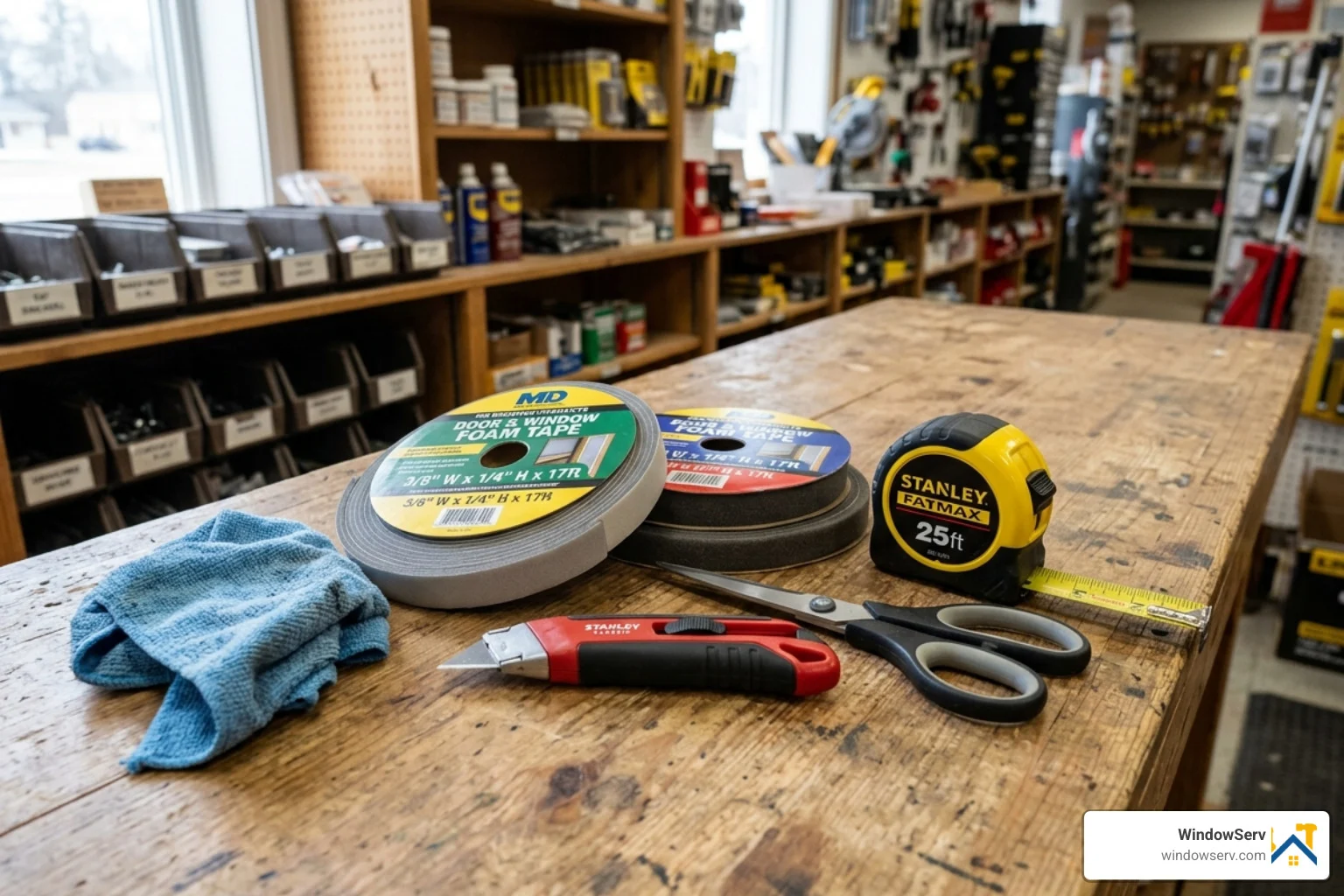
First, clean the area. Use mild soap and water to remove dirt, old adhesive, and grime. If the surface isn’t clean, your new adhesive won’t stick. Pro tip: When buying material, measure the perimeter of your window and add 10% for waste. It’s better to have a little extra than to be six inches short on a Sunday afternoon.
If you find that your windows are beyond a simple DIY fix, our weatherproofing service can provide a more comprehensive solution, including professional-grade caulking and sealing.
How to Weatherstrip Double-Hung and Casement Windows
For Double-Hung Windows:
-
Jambs: Use V-channel weatherstripping. Open the window fully and slide the strip down the side jambs. Secure it so the “V” opens toward the outside to catch the wind.
-
Meeting Rail: This is where the two sashes meet. Apply a thin strip of adhesive foam or a specialized meeting rail seal here.
-
Bottom Rail: Apply foam tape to the underside of the bottom sash so it compresses when you lock the window.
For Casement Windows: Casement windows are generally easier because they function like a door.
-
Stops: Apply adhesive-backed foam or rubber bulb seals to the “stops” (the part of the frame the window pushes against).
-
Hinged Side: Ensure the seal doesn’t interfere with the hinge mechanism.
-
Check the Balance: If the window is sagging, you may need window balance replacement and repair to ensure the window closes squarely against the new seals.
Professional vs. DIY: When to Call an Expert in Jersey City
While sticking foam tape on a window is easy, some situations require a professional touch.
-
Historic Preservation: If you live in a historic district like Van Vorst Park or Paulus Hook, your original wood windows are a treasure. We specialize in window restoration, which involves carefully removing sashes and installing traditional bronze weatherstripping that lasts for decades.
-
Complex Hardware: If your window requires you to disassemble the frame or the locking mechanism, it’s safer to call for a window repair.
-
Structural Issues: If the window frame itself is rotting or warped, no amount of weatherstripping will fix the draft.
-
Safety: For windows on upper floors that require exterior access, don’t risk a ladder—let our experts handle it.
Frequently Asked Questions about Window Sealing
How often should I replace my window weatherstripping?
Most standard weatherstripping has a lifespan of 7 to 9 years. However, in New Jersey, the intense UV rays and temperature swings can cause materials to degrade faster. If you notice the seals are flat, cracked, or peeling, it’s time for a window weatherstripping replacement.
Can weatherstripping fix foggy windows?
No. Foggy windows are caused by a failure in the Insulated Glass Unit (IGU) seal, which allows moisture between the panes. Weatherstripping only seals the gap between the window and the frame. If your glass is cloudy, you likely need a window replacement or a specialized glass repair to restore the thermal barrier.
What is the best weatherstripping for casement windows?
The gold standard for casement windows is the compression bulb seal. Because casement windows use a crank to pull the sash tight against the frame, a bulb seal compresses perfectly to create an airtight and watertight barrier.
Conclusion
At WindowServ, we believe that your home should be your sanctuary—not a wind tunnel. Whether you’re in a modern condo in Jersey City or a classic home in Ridgewood, proper window weatherstripping replacement is a small investment that yields big returns in comfort and savings.
Our team of local New Jersey experts is dedicated to providing comprehensive solutions that save your original frames while delivering up to 30% in energy savings. We stand behind our work with a satisfaction guarantee and years of local expertise.
Don’t let your hard-earned money blow out the window. Contact us today for more info about window repair services and let us help you seal your home for the seasons ahead!