
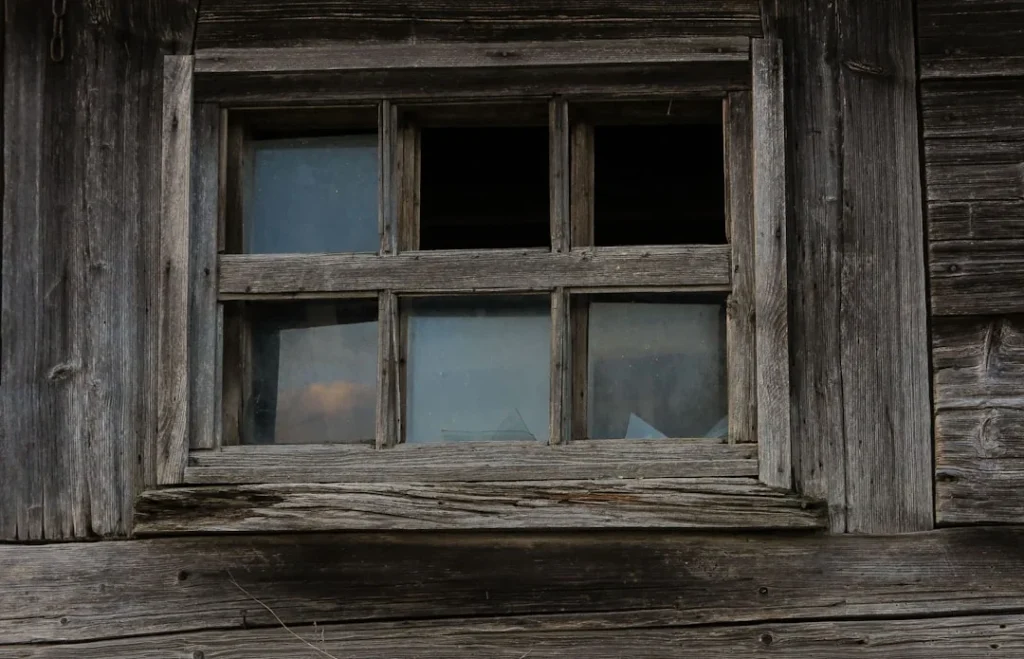
Before You Replace Those Old Wood Windows, Read This old wood window weathered historic frame – old wood window replacement Old wood window replacement is one of the most searched
Before You Replace Those Old Wood Windows, Read This
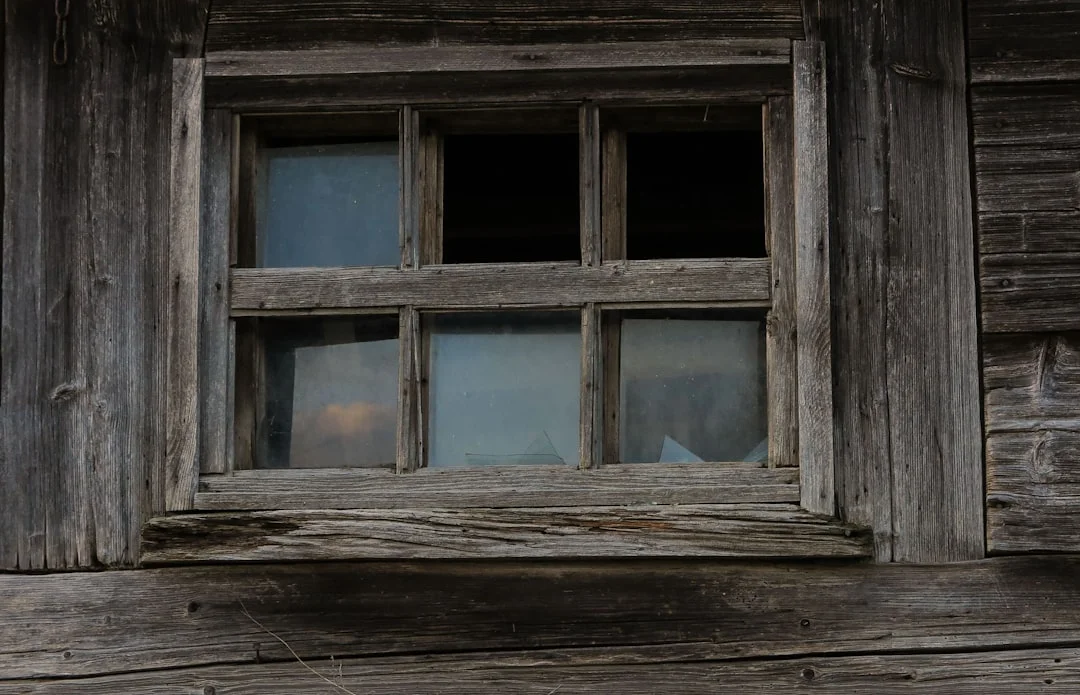
Old wood window replacement is one of the most searched home improvement topics — and one of the most misunderstood.
Here’s a quick answer to help you decide what to do:
| Situation | Best Option |
|---|---|
| Drafty but structurally sound frames | Restore (weatherstrip, reglaze) |
| Minor rot, stuck sash, broken balance | Repair first |
| Severe rot, lead paint, structural failure | Replace |
| Historic home, want to preserve character | Replace with historically accurate replicas |
| Budget is the top priority | Consider insert/pocket replacement |
The short version: not every old wood window needs to go. In fact, replacing windows that could have been restored is one of the most common — and costly — mistakes New Jersey homeowners make.
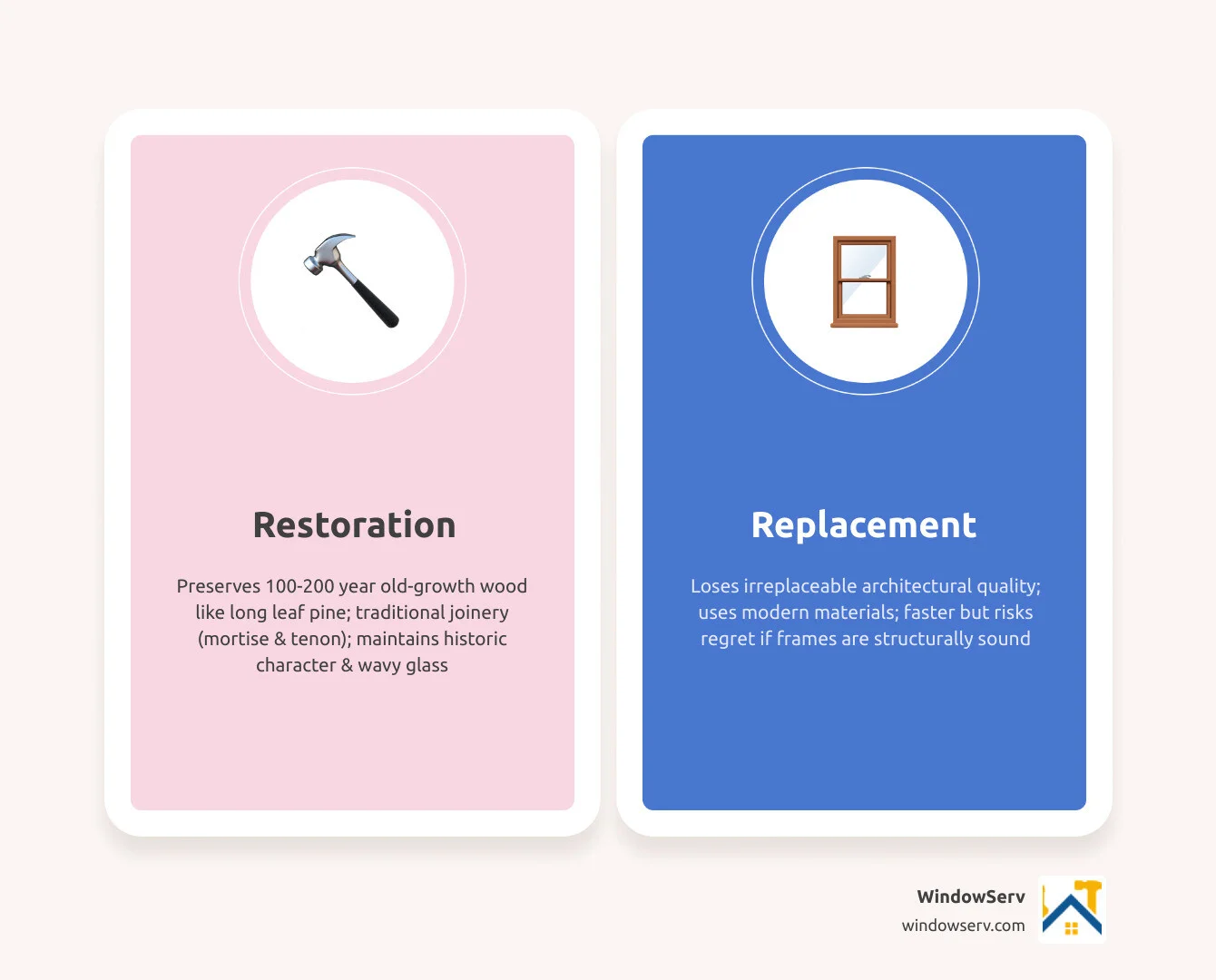
Old wood windows built before the 1960s were often crafted using traditional joinery techniques and old-growth timber that simply isn’t available today. Some of those windows have lasted 100 to 200 years. A rushed replacement decision can mean losing that irreplaceable quality forever.
But sometimes replacement is the right call. Knowing the difference saves you money, preserves your home’s character, and avoids regret.
I’m Feiruz Gabibov, COO of WindoServ, and I’ve overseen hundreds of old wood window replacement and restoration projects across New Jersey — from historic Victorians to mid-century colonials. That hands-on experience shapes every recommendation in this guide.
The Hidden Value of Restoration vs. Old Wood Window Replacement
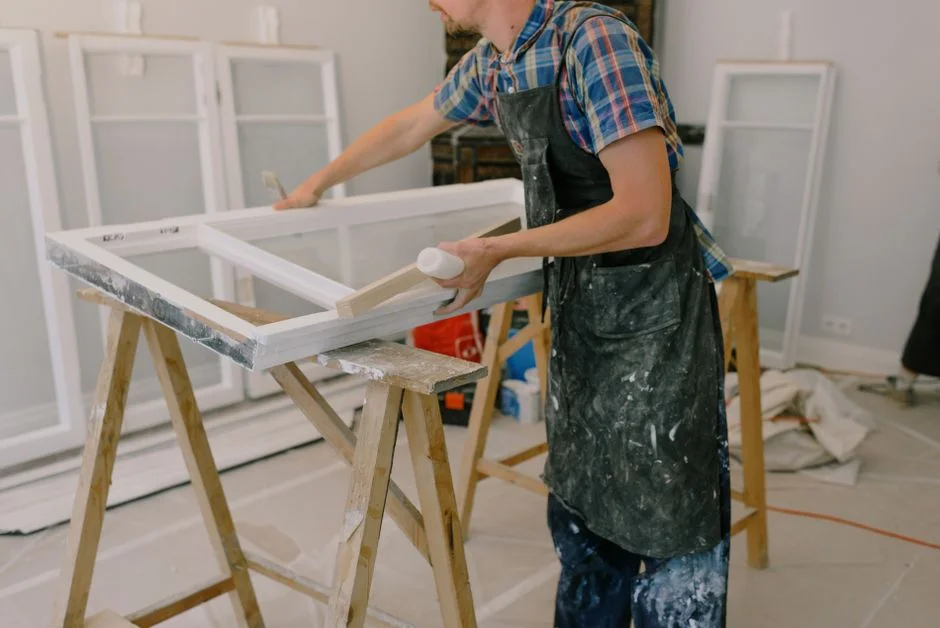
When we walk into a historic home in Ridgewood or Montclair, we often see windows that look like they’ve seen better days. The paint is peeling, the glass rattles, and there’s a distinct chill in the air. However, beneath that weathered exterior often lies “old-growth” wood—dense, rot-resistant timber like long leaf pine that was harvested over a century ago.
The craft of traditional window making is an art that has been largely lost to mass production. These original windows were built using centuries-old joinery, such as the mortise and tenon joint. This method provides superior strength and reliability that has been proven over thousands of years. In fact, some historic buildings still have functioning windows that are 200 years old.
By choosing window restoration services, you aren’t just fixing a window; you are preserving a piece of engineering that can outlast modern replacements by decades. While a standard modern wooden window might last 30 years with proper maintenance, a restored historic window can easily see another century of use.
Preserving Historical Integrity
For homeowners in places like Summit or Westfield, architectural character is everything. Modern off-the-shelf windows often lack the depth and “shadow lines” of original units. Historic windows frequently feature the Roman Ogee millwork profile—a specific decorative curve that defines the era’s aesthetic.
When you opt for window replication or restoration, you can keep features like wavy glass, which has unique visual distortions that modern flat glass cannot replicate. Keeping these details ensures your home maintains its soul and its market value.
Longevity and Sustainability
Wood is a renewable resource, and restoring it is the ultimate form of recycling. Artisanal craftsmanship, such as hand glazing sashes with putty, creates a durable, impervious finish that is also serviceable. If a pane breaks in a hand-glazed window, you replace the glass. If the seal fails in a modern insulated glass unit (IGU), you often have to replace the entire sash.
Regular 30-year maintenance cycles—including painting and sealing—are all it takes to keep these high-quality materials from degrading. It’s a sustainable cycle that keeps high-quality timber out of New Jersey landfills.
When Replacement is the Right Choice
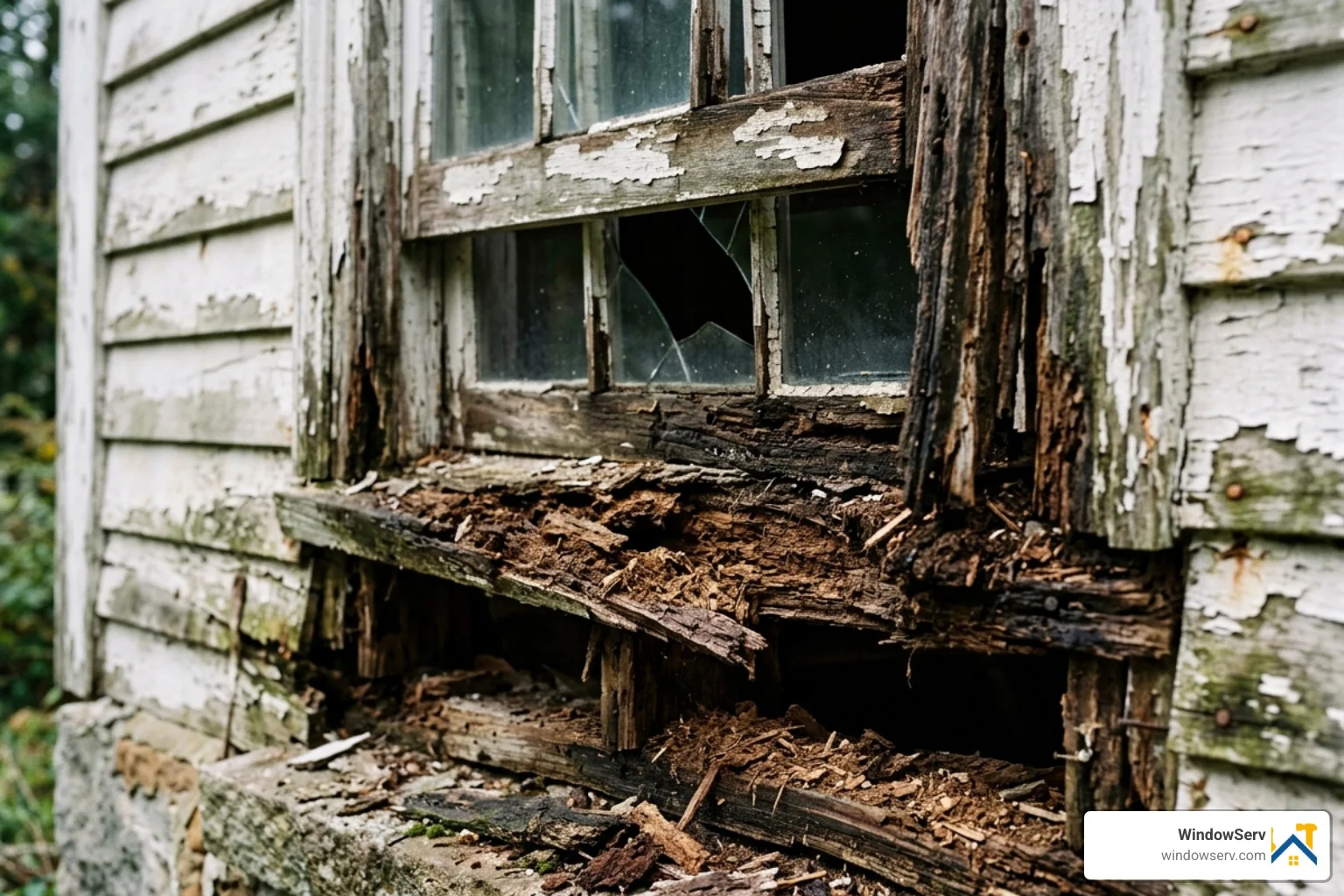
Despite our love for old-growth wood, there comes a point where restoration isn’t feasible or safe. If you can poke a screwdriver through the sill or the frame has lost its structural integrity, it’s time to talk about old wood window replacement.
Another critical factor is lead paint. Homes built before 1978 often contain lead-based paint. While restoration can safely manage this, some homeowners prefer the peace of mind that comes with rotten window frame repair and full replacement to eliminate the hazard entirely.
Common Problems Solved by Old Wood Window Replacement
Replacement is often the most effective way to resolve chronic issues like:
- Severe Air Infiltration: When frames have warped beyond the point where weatherstripping can help.
- Wood Rot: Deep, structural rot that has compromised the window’s ability to hold glass or hardware.
- Sash Failure: When the moving parts are so damaged that window sash replacement is no longer a viable standalone fix.
Full-Frame vs. Insert Installation
If you decide to move forward with new windows, you have two main paths:
- Full-Frame Replacement: This involves removing the entire window, including the frame and trim, down to the rough opening. It’s the best choice if the frame is rotting.
- Insert (Pocket) Installation: This is a more surgical approach where the new window fits inside the existing jamb. This preserves the interior and exterior trim, making it a popular choice for professional window installation in homes where the original woodwork is still in great shape.
Materials and Features for Historic Accuracy
If you must replace your windows, don’t settle for “plastic-looking” alternatives. Modern technology allows us to create windows that look 100 years old but perform like they were built in 2026.
Look for materials like Accoya wood. This is a chemically modified timber that is virtually rot-proof and carries a 50-year warranty. It doesn’t swell or shrink, meaning your windows won’t stick during a humid New Jersey summer.
Modern Efficiency in Traditional Frames
One of the biggest breakthroughs in recent years is Vacuum Insulated Glass (VIG). Traditional double-pane glass is thick (often 1 inch), which forces window makers to use bulky, non-historic frames. However, a 1/4-inch VIG unit can have the efficiency of a 1-inch thick IGU. This allows us to fit energy efficient windows into existing jambs without modifying the historic look of the house.
Selecting the Right Wood Species
The type of wood you choose impacts both cost and longevity:
- Pine: The most common and affordable option ($650–$900 per window).
- Teak: Incredibly durable and naturally oily, making it great for moisture resistance, though it can cost $1,400–$1,900.
- Aluminum Cladding: Many homeowners choose wood windows with an aluminum exterior. This protects the wood from the elements—preventing chalking and fading—while keeping the warmth of real wood on the inside.
The Financial Reality of Old Wood Window Replacement
Budgeting for old wood window replacement requires a clear understanding of the market. Wood is typically the most expensive frame material, costing about 20% more than vinyl, but it offers a timeless appearance and high-quality insulation.
| Material | Estimated Cost (Installed) | Expected Lifespan |
|---|---|---|
| Vinyl | $400 – $1,200 | 15 – 20 Years |
| Wood (Standard) | $371 – $2,995 | 30+ Years |
| Wood (Historic/Custom) | $2,500 – $5,000+ | 50 – 100+ Years |
Calculating the Cost of Old Wood Window Replacement
As of April 2026, material-only costs for wood windows range from $325 to $2,450. When you add window installation labor, a whole-house project (averaging 10 windows) typically falls between $6,500 and $32,500.
That custom-sized windows—common in older homes with non-standard openings—can cost 25% to 75% more than standard prefabricated options. This is why we often recommend window replacement services that include a detailed site survey to avoid surprises.
Energy Savings and ROI
Replacing old single-pane windows with modern energy-efficient options can save you between $101 and $583 per year on energy bills. If you’re upgrading to double-pane, you can expect to save nearly $200 annually. Beyond the monthly savings, wood windows are highly valued by appraisers and can significantly boost your home’s resale value in competitive markets like Jersey City or Hoboken.
DIY vs. Professional Installation
The “Do It Yourself” spirit is strong in New Jersey, but old wood window replacement is a complex beast.
Risks of Self-Installation
If your home was built before 1978, you must follow lead-safe work practices. Beyond safety, there is the issue of precision. If a window isn’t perfectly plumb, level, and square, it won’t operate correctly, and the weatherstripping won’t seal. You also run the risk of damaging the window balance replacement systems or the delicate sash springs during installation.
The Professional Advantage
Hiring a professional ensures that the project meets local building codes and that all necessary permits are handled. We use specialized materials like flashing tape on the sill and high-grade silicone caulk to ensure a watertight seal. If your frames have older weight chambers, we can fill them with insulation to maximize efficiency.
Furthermore, a professional can handle window spring replacement and other mechanical adjustments that ensure the window glides open with a single finger. For many, the “satisfaction guarantee” and the time saved are worth the investment in window repair and restoration experts.
Frequently Asked Questions
How long do new wood windows last compared to originals?
Modern wood windows typically last about 30 years if you maintain the paint and sealant. However, if you use premium materials like Accoya or traditional long leaf pine, they can last 50 to 100 years. This far exceeds the 15-20 year lifespan of most vinyl windows.
Can I replace just the moving parts of my old windows?
Yes! If your frames are in good condition, you can opt for window repair or a sash replacement kit. This allows you to swap out the old moving parts for new, energy-efficient sashes while keeping your original trim and frames.
Is it cheaper to restore or replace old wood windows?
In the short term, simple repairs are almost always cheaper. However, a full restoration of a badly damaged window can sometimes cost as much as a high-quality replacement. The “win” for restoration is the long-term ROI; a restored window can last another 100 years, whereas a cheap replacement will need to be swapped out again in 20 years.
Conclusion
At WindowServ, we believe that your home’s windows are its eyes to the world. Whether you are in Livingston, Tenafly, or Paramus, we are here to help you navigate the choice between restoration and old wood window replacement.
We are local NJ experts who pride ourselves on comprehensive solutions. We don’t just push new products; we look for ways to save your original frames whenever possible, helping you achieve up to 30% energy savings while maintaining the architectural soul of your property.
Don’t let your historic home lose its character to a quick-fix replacement. Restore your home’s historic beauty with professional window restoration and ensure your windows stand strong for another century. Reach out to us today for a consultation—we guarantee your satisfaction.