

Why Double Glazed Glass Units Are Worth Understanding double glazed glass units in a modern residential home Double glazed glass units are the most common energy-efficient window solution in homes
Why Double Glazed Glass Units Are Worth Understanding
Double glazed glass units are the most common energy-efficient window solution in homes today — and for good reason.
Quick answer: A double glazed unit is a sealed assembly of two glass panes separated by a gap (filled with air or gas). That gap traps heat inside in winter and blocks heat outside in summer, cutting energy loss significantly.
| Feature | What it means for you |
|---|---|
| Two glass panes | More insulation than single pane |
| Sealed air or gas gap | Slows heat transfer in both directions |
| Hermetic seal | Keeps moisture out between panes |
| Low-E coating option | Reflects heat back into the room |
| Argon gas fill option | Better insulation than air alone |
If your home has foggy windows, cold drafts near the glass, or rising heating bills, your existing units may be failing — and understanding how double glazing works is the first step to fixing that.
Double glazed windows can reduce heat loss by up to 50% compared to single pane glass, and can cut annual heating bills by 10–15%. They also block outside noise by up to 50% — a real benefit if you live in a busy area.
I’m Feiruz Gabibov, COO of WindoServ, where I’ve led operations across window repair, glass replacement, and energy-efficient window solutions — including hundreds of double glazed glass unit replacements for homeowners across New Jersey. In this guide, I’ll walk you through everything you need to know, from how these units are built to when it’s time to replace them.
What Are Double Glazed Glass Units and How Do They Work?
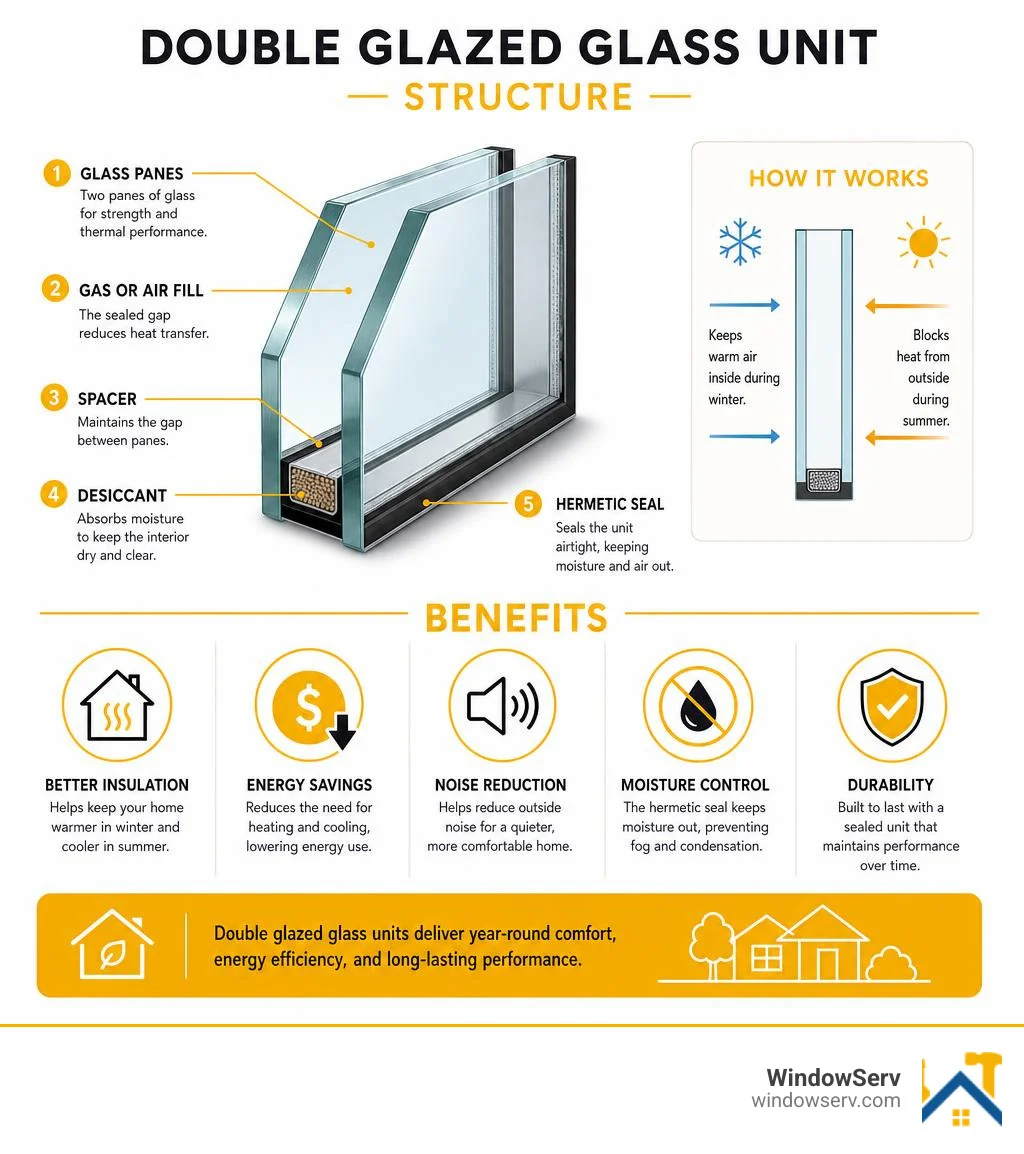
To understand how double glazed glass units work, it helps to think of them as a sandwich where the bread is glass and the filling is a highly insulating layer of still air or dense gas. In the professional glazing industry, these assemblies are formally known as Insulated Glass Units (IGUs).
Unlike old-fashioned single-pane windows, which let indoor heat escape directly through the glass, double glazing relies on basic physics to slow down thermal transfer. Heat naturally moves toward colder areas. When warm indoor air hits a single cold pane of glass, it cools rapidly, forcing your heating system to work overtime.
With a double-glazed setup, the heat must travel through the first pane of glass, cross the sealed space between the panes, and then pass through the outer pane. Because still air or specialized gases are poor conductors of heat, this thermal barrier drastically slows down the process. In fact, an insulated glass unit can have a thermal conductivity that is up to 27 times better than standard single glass.
To keep this insulating barrier working properly, the unit must be hermetically sealed. This is achieved using several key components:
- Spacer Bars: These run along the perimeter of the unit to keep the two glass panes at a precise, uniform distance. The optimal gap between panes for maximum thermal insulation is typically 16mm to 19mm (roughly 5/8 to 3/4 of an inch).
- Desiccant: Inside the hollow spacer bars lies a highly absorbent desiccant material. This material acts like those tiny silica gel packets you find in new shoe boxes, absorbing any trace of moisture inside the cavity to prevent internal fogging.
- Primary and Secondary Sealants: A primary butyl seal is applied to the spacer bar to prevent gas from escaping and moisture from entering. A robust secondary sealant (typically polyurethane, polysulfide, or silicone) is applied around the outer edge to lock the entire assembly together and provide structural strength.
If you are curious whether your home already has these units installed, a quick trick is to hold a flame (like a match or lighter) close to the glass surface. If you see multiple distinct reflections of the flame, you are looking at multiple panes of glass!
Glass Types and Spacer Options for Double Glazed Glass Units
When customizing replacement Insulated Glass Units from WindowServ or planning a Residential Glass Replacement, you have a wide variety of material options to optimize both energy efficiency and safety.
1. Glass Types and Coatings
- Low-E (Low-Emissivity) Glass: This glass features a microscopically thin, transparent metal oxide coating applied to one of the internal glass surfaces (usually surface #2, facing the cavity). This coating acts like a thermal mirror: in the winter, it reflects your indoor heat back into your rooms, and in the summer, it rejects solar heat and UV rays from entering. Check out options like the Clear/Low-E Toughened Double-Glazed Glass Unit – Truly PVC to see how these coatings achieve impressive U-values.
- Tempered Safety Glass: Unlike standard float glass, tempered glass is heat-treated to be up to five times stronger. If it does break, it crumbles into small, relatively harmless granular chunks rather than sharp, jagged shards. Building regulations in New Jersey require tempered glass in high-risk areas, such as in doors, sidelites, and windows close to the floor.
- Acoustic Laminated Glass: If you live near a busy street in Bergen County or a bustling area in Jersey City, laminating one of the panes with a thin acoustic interlayer can make your home incredibly quiet.
- Decorative and Privacy Glass: For bathrooms or front entryways, you can select obscure, frosted, or patterned designs. The Linear™ Double Glazed Units | Modern Level 2 Privacy Glass is an excellent example of combining mid-century modern vertical line aesthetics with high-performance thermal insulation.
2. Spacer Technologies
The spacer bar plays a massive role in the unit’s overall efficiency. Traditional spacers are made of aluminum, which is highly conductive and can create a “cold bridge” around the edge of your window, leading to condensation. Modern installations favor warm edge spacers made of insulating plastic composites. These act as a thermal break, keeping the edges of the glass warmer and significantly reducing the risk of interior condensation.
3. Cavity Gas Fills
While standard double glazed units can be filled with dry air, filling the cavity with a dense, non-toxic noble gas like argon is the modern standard for energy efficiency. Argon is denser than air, which slows down the convection currents inside the unit and improves the window’s overall insulating value. For those looking at premium options, products like the Standard Double Glazed Units – Includes Argon Gas-Filled Cavity highlight how argon is used to meet strict building energy ratings.
To configure custom sizes, glass combinations, and spacer widths, homeowners often consult specialized guides like the Custom Double Glazed Unit | Glass Cut to Size to find the perfect fit for their frames.
Key Benefits and Performance of Double Glazing
Upgrading your home’s windows to high-quality double glazing offers a host of immediate and long-term advantages.

- Substantial Energy Savings: Because double glazing cuts down heat loss by up to 50% compared to single-pane glass, your heating and cooling systems won’t have to work nearly as hard. For New Jersey homeowners, this translates directly to a 10% to 15% reduction in annual energy bills.
- Superior Noise Reduction: If you are tired of hearing street noise, lawnmowers, or neighborhood chatter, double glazing is a lifesaver. A standard double glazed unit can reduce external noise levels from a loud 89 decibels down to a peaceful 50 decibels—effectively cutting perceived outdoor noise in half.
- Elimination of Condensation: Cold single-pane windows are notorious for collecting interior condensation during chilly NJ winters, which can rot wooden sashes and encourage mold growth. The thermal barrier in double glazed units keeps the interior pane much closer to room temperature, preventing moisture in the air from condensing on the glass.
- Enhanced Security: Two panes of glass—especially when combined with tempered or laminated options—are significantly harder to breach than a single thin sheet of glass, providing an extra layer of protection for your family.
If you are experiencing drafty or cold rooms, investing in Replacement Insulated Glass Units is one of the most cost-effective home improvements you can make as we navigate the climate demands of 2026.
Comparing Single, Double, and Triple Glazing
When deciding on window upgrades, it is helpful to look at how single, double, and triple glazing stack up against one another in terms of thermal performance, sound dampening, and cost.
| Glazing Type | Average R-Value (Higher is Better) | Average U-Value (Lower is Better) | Noise Reduction | Relative Cost | Best For |
|---|---|---|---|---|---|
| Single Glazing | ~1.0 | ~5.0 to 6.0 | Minimal | $ | Mild climates / Outbuildings |
| Double Glazing (Air-Filled) | ~2.0 | ~2.5 to 2.8 | Moderate (Up to 30% reduction) | $$ | Standard residential replacements |
| Double Glazing (Argon + Low-E) | ~3.0 to 3.5 | ~1.2 to 1.4 | Excellent (Up to 50% reduction) | $$$ | Maximum ROI for NJ homes |
| Triple Glazing (Argon + Low-E) | ~5.0+ | ~0.8 to 1.0 | Outstanding (Up to 60%+ reduction) | $$$$ | Extreme climates / Passive houses |
While triple glazing offers the absolute highest energy ratings, it is also substantially heavier and more expensive. For the vast majority of residential homes in towns like Ridgewood, Westfield, or Montclair, high-performance double glazing with Low-E glass and argon gas represents the “sweet spot”—delivering outstanding thermal comfort and rapid energy savings without requiring heavy-duty, expensive frame modifications.
If your current frames are still in good structural shape, opting for Double Pane Window Repair and Replacement to swap out failed units is a highly practical, budget-friendly alternative to full window replacement.
Lifespan, Maintenance, and Troubleshooting Common Issues
Under normal conditions, high-quality double glazed glass units have an expected lifespan of 20 to 25 years. However, their longevity depends heavily on the quality of the original manufacturing, the local climate, and how well they were installed.
The most common issue homeowners face is seal failure. Over time, windows undergo a process called thermal pumping. As the sun heats the window during the day, the air or gas inside the cavity expands, putting pressure on the seals. At night, the unit cools and contracts. Over decades, this continuous flexing can cause tiny hairline fractures in the perimeter seal.
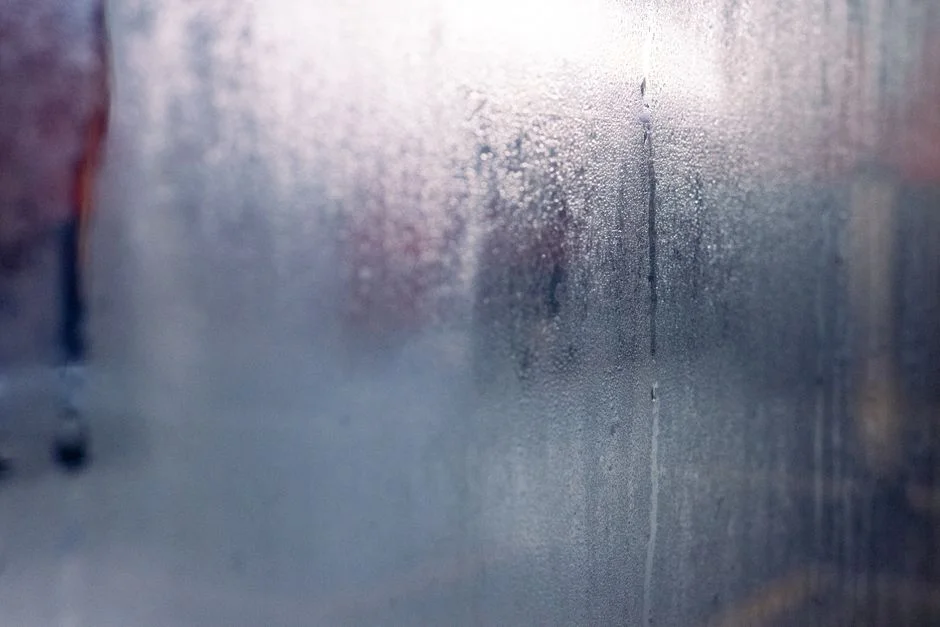
Once the seal is compromised, moist outdoor air begins to seep into the cavity. At first, the internal desiccant will absorb this moisture. However, once the desiccant becomes completely saturated, the moisture has nowhere to go. It condenses on the cold inside surfaces of the glass, resulting in that classic “foggy” or “misted” appearance.
If you are dealing with this frustrating issue, you can explore detailed solutions in our guides on Foggy Window Glass Replacement, Condensation Between Window Panes, and Fixing Foggy Double Pane Windows.
When to Replace Your Double Glazed Glass Units
How do you know when it is time to stop wiping down the outside of the glass and actually replace the unit? Look out for these key warning signs:
- Permanent Fogging or Condensation: If there is moisture, water droplets, or mineral staining between the two panes of glass, the seal has failed. A failed seal means the insulating gas has escaped, and the unit is no longer providing optimal thermal protection.
- Visible Physical Damage: Cracks, chips, or deep scratches in either pane of glass compromise the structural integrity of the unit and can lead to sudden shattering.
- Drafts and Cold Spots: If you feel a distinct breeze or a constant chill when standing near your window—even when it is fully locked—the glass unit or its surrounding weatherstripping has degraded.
- Rising Energy Bills: If your heating and cooling costs are steadily climbing without a change in utility rates, your windows may be leaking energy.
Fortunately, a failed seal does not mean you have to buy an entirely new window frame! At WindowServ, we specialize in replacing just the sealed glass unit itself while keeping your original wood, vinyl, or aluminum frames perfectly intact. This approach saves you a substantial amount of money and hassle.
To learn more about the logistics and financial details of this process, check out our resources on how to Replace Sealed Glass Unit and explore the Window Seal Replacement Cost to plan your home maintenance budget effectively.
Frequently Asked Questions About Insulated Windows
How long do double glazed glass units typically last?
Most double glazed glass units last between 20 to 25 years. Units that face direct, intense sunlight for most of the day (such as south-facing windows) may experience faster seal degradation due to extreme thermal expansion and contraction, sometimes failing closer to the 15-year mark. Proper installation and maintaining clean, clear frame drainage paths will help maximize their lifespan.
Can you replace just the glass in a double glazed window?
Yes, absolutely! You do not need to replace the entire window frame, sash, and trim just because the glass is cracked or foggy. Professional glazing technicians can carefully remove the glass-retaining beads, slide out the old failed double glazed unit, clean the frame, and install a brand-new, custom-measured sealed glass unit.
This localized approach preserves your home’s original architectural character and is far more cost-effective than a full-frame replacement. If you are ready to restore your views, take a look at our Window Glass Replacement Services and Residential Glass Replacement options.
What is the difference between air-filled and argon-filled units?
While air-filled units are the traditional baseline option, argon-filled units offer vastly superior thermal performance. Argon is an inert, non-toxic gas that is significantly denser than dry air. This density slows down the convective heat transfer between the inner and outer panes of glass, keeping your indoor temperatures more stable.
Some homeowners worry that argon gas will leak out instantly, but high-quality modern manufacturing standards ensure that argon loss is extremely slow—typically less than 1% per year—meaning your windows will remain highly efficient for decades.
Conclusion
Understanding how double glazed glass units work is key to keeping your home comfortable, quiet, and energy-efficient. Whether you are dealing with foggy panes, drafty sashes, or simply looking to lower your monthly utility bills, upgrading your glass is one of the smartest investments you can make for your property.
At WindowServ, we are proud to serve as your local window repair and glass replacement experts across New Jersey—including Bergen, Essex, Hudson, Middlesex, Monmouth, and Union counties. Our specialized, comprehensive solutions are designed to save your original window frames while delivering up to 30% in energy savings and keeping more money in your pocket. Backed by our local expertise and a rock-solid satisfaction guarantee, we make restoring your home’s windows simple and stress-free.
Ready to clear up your view and start saving? Get professional Insulated Glass Units services from WindowServ today, and let our team of skilled NJ technicians bring comfort back to your home!