
A Broken Window Is More Than an Eyesore — Here’s What to Do Broken window glass repair is something most New Jersey homeowners will face at least once — whether
A Broken Window Is More Than an Eyesore — Here’s What to Do
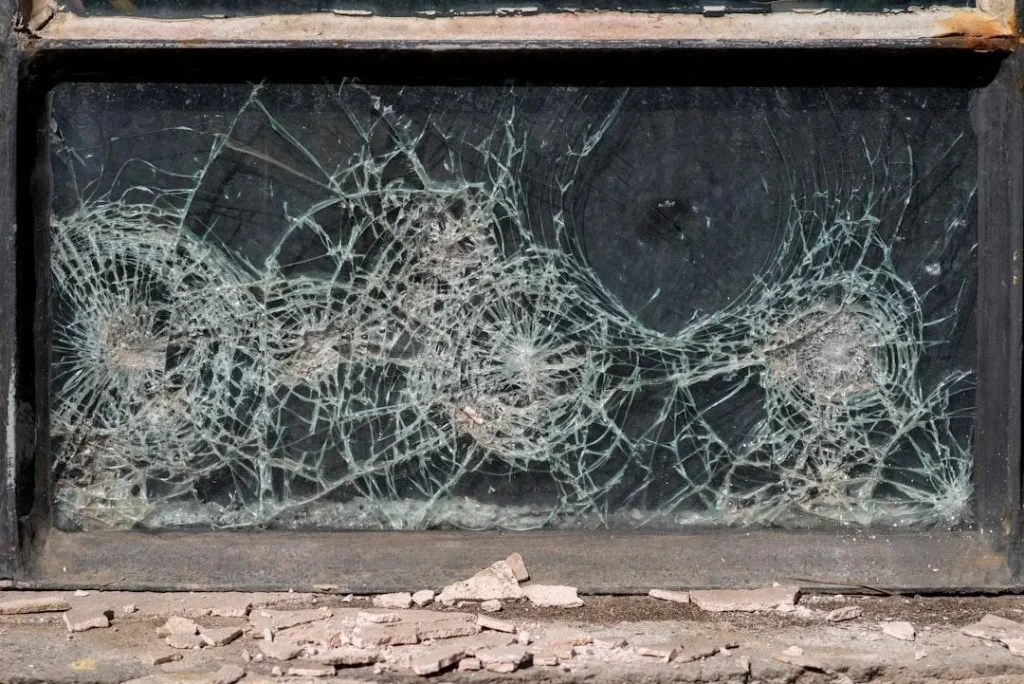
Broken window glass repair is something most New Jersey homeowners will face at least once — whether from a stray ball, a harsh winter storm, or simple age and wear.
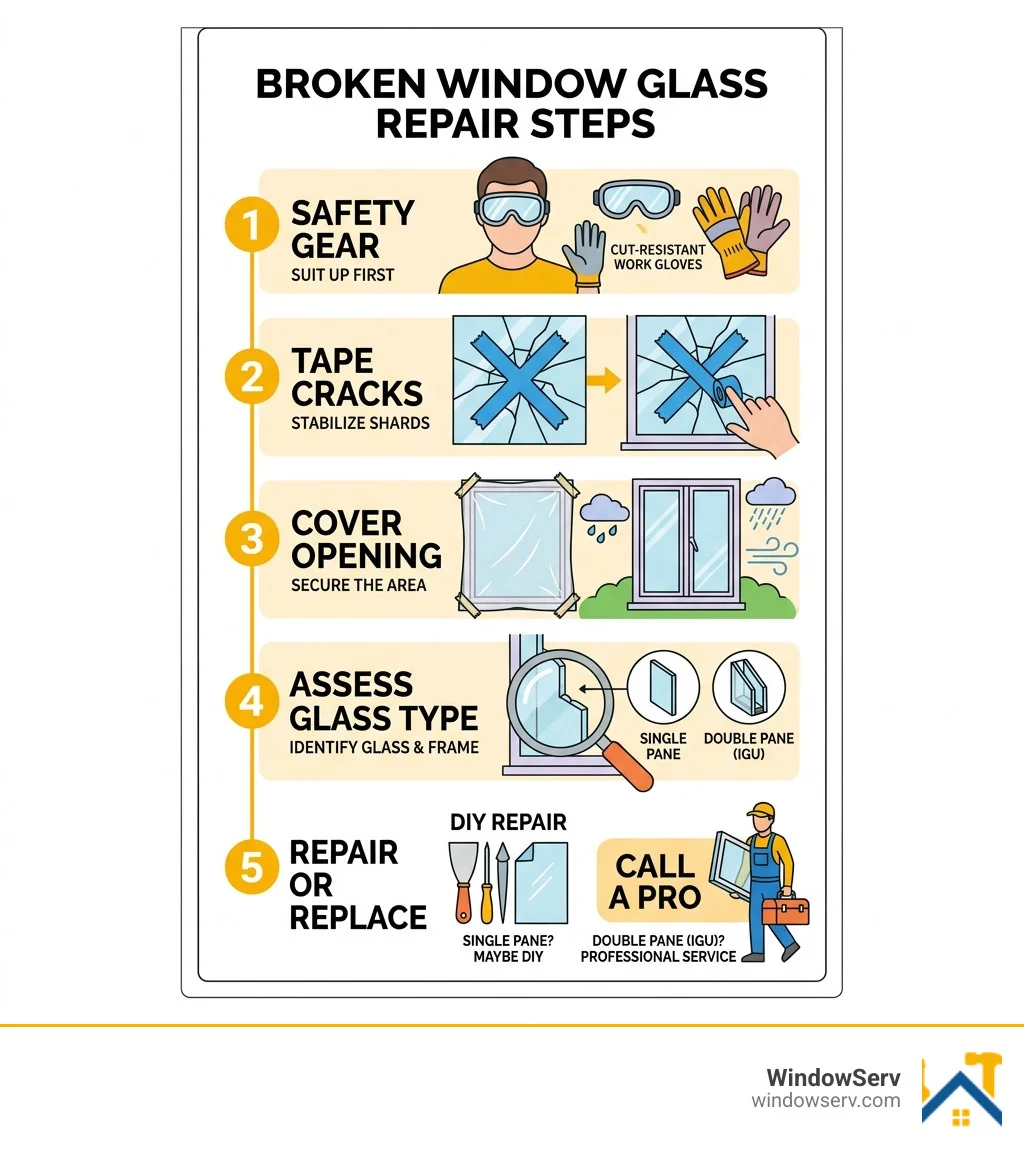
Before diving into the full guide, here’s a quick overview of the core steps:
-
Stay safe — keep people and pets away from broken glass immediately
-
Suit up — put on cut-resistant gloves and safety goggles before touching anything
-
Tape it — apply an X of painter’s tape over cracks to contain loose shards
-
Cover the opening — use heavy plastic sheeting, cardboard, or plywood as a temporary seal
-
Assess the damage — identify your glass type and frame before ordering replacement glass
-
Repair or replace — single-pane glass in wood or aluminum frames is often a solid DIY job; double-pane insulated glass units (IGUs) usually need a pro
A broken window isn’t just an inconvenience. It’s a safety hazard, an open invitation for insects, a security risk, and a direct hit to your home’s energy efficiency. Every hour a window stays broken, conditioned air escapes and your heating or cooling bill climbs.
The good news? In many cases, you only need to replace the glass — not the entire window. That distinction alone can save you 60 to 80 percent compared to a full window replacement.
I’m Feiruz Gabibov, Chief Operating Officer of WindowServ, where I’ve built and scaled operations around broken window glass repair and full glass replacement services across New Jersey. My hands-on experience overseeing hundreds of residential repairs — from single-pane wood frames to modern IGUs — is what backs every recommendation in this guide.
Immediate Safety Steps and Temporary Fixes
When you hear that unmistakable shatter, your first instinct might be to grab a broom. While cleaning is important, your priority should be containment and security. Broken glass is unpredictable; shards can travel further than you think.
Step 1: Secure the Area
Keep children and pets away from the room immediately. If you are walking near the breakage, ensure you are wearing closed-toe shoes. We recommend taking photos of the damage from both the inside and outside for your records or potential insurance claims before you start moving pieces.
Step 2: Personal Protective Equipment (PPE)
Never handle glass with bare hands. You need:
-
Cut-resistant gloves: Standard gardening gloves aren’t enough; you need thick, puncture-resistant material.
-
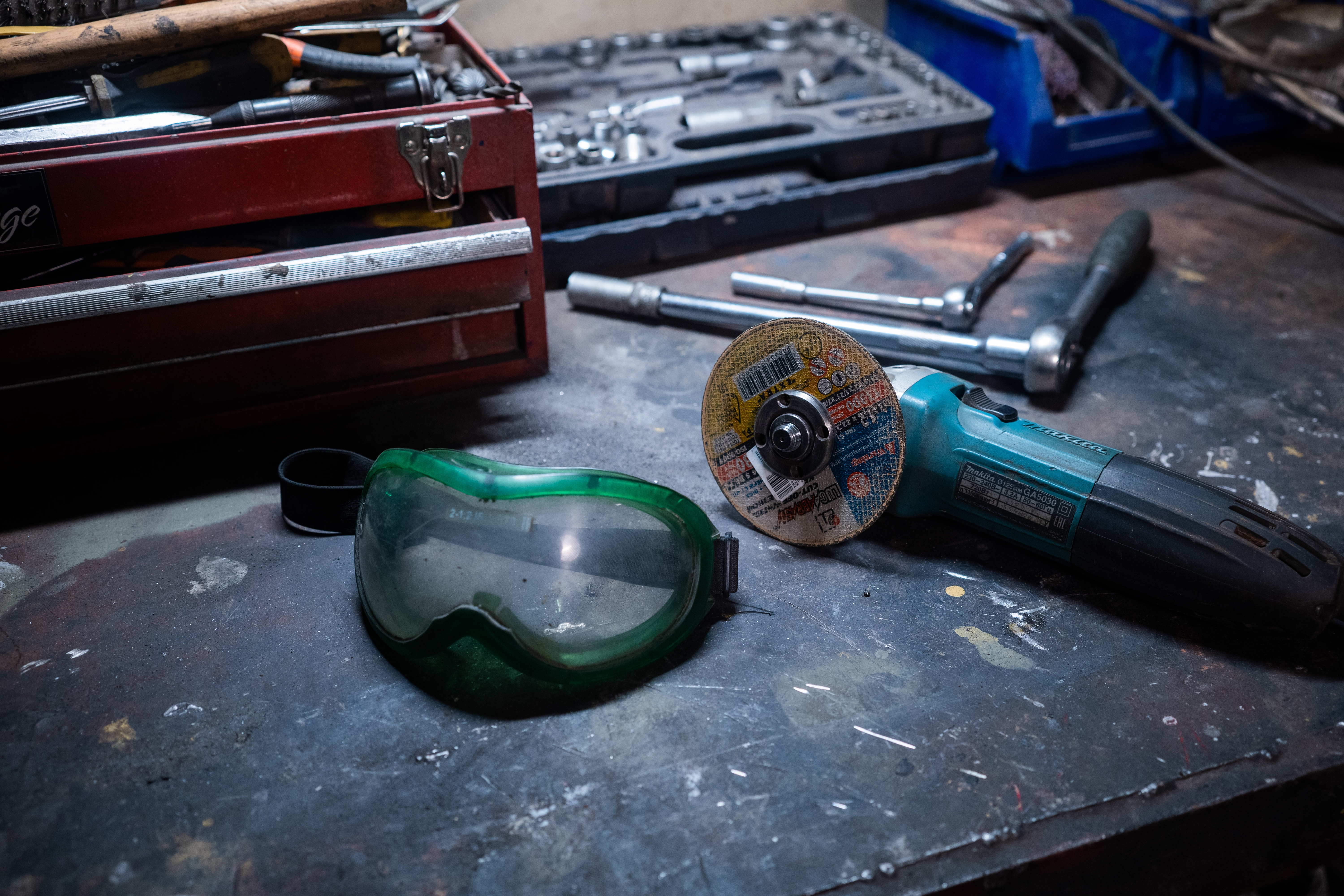
Safety goggles: Small glass “dust” can fly up during removal.
-
Long sleeves and pants: To protect your skin from stray shards.
Step 3: The “X” Trick
If the pane is still in the frame but cracked, use painter’s tape or duct tape to create a large “X” across the glass. This helps hold the pieces together so they don’t fall out in dangerous chunks while you’re working.
Step 4: Temporary Sealing
You can’t always get a new piece of glass on a Tuesday night in Bergen County. To keep the New Jersey weather out, use these temporary fixes:
-
Heavy-duty plastic or trash bags: Fold them over and tape them to the frame for a basic wind barrier.
-
Cardboard or Plywood: For better security, cut a piece of stiff cardboard or plywood to fit the opening and secure it.
-
Clear packing tape: If it’s just a small crack, taping both sides can temporarily stop drafts.
If the damage is extensive or you feel unsafe, it is always better to call for Broken Window Glass Repair Services | WindowServ to ensure your home is properly boarded up and secured.
Identifying Your Glass and Frame Type
Before you run to the hardware store, you need to know exactly what you’re replacing. Not all glass is created equal, and the “how-to” changes based on your window frame.
Identifying Glass Types
-
Annealed Glass: Common in older NJ homes. It breaks into large, sharp, jagged shards.
-
Tempered Glass: Often found in doors or windows near the floor. It’s a safety glass that crumbles into small, relatively dull granular pieces (like sea glass) when it breaks. Look for a small etched logo in the corner.
-
Low-E Glass: This has an invisible metallic coating to reflect heat. To identify it, hold a flashlight up to the window; one of the reflections will be a slightly different color (often greenish or purple).
-
Insulated Glass Units (IGU): These are double or triple-pane units sealed together with a spacer and gas (like argon) in between. If you see fog or condensation between the panes, the seal has failed.
Identifying Frame Materials
-
Wood Frames: Usually found in historic or traditional homes. The glass is held in by “glazier points” and a putty-like compound.
-
Aluminum Frames: Common in mid-century builds. These often use rubber gaskets or vinyl strips to hold the glass.
-
Vinyl Frames: Most modern NJ replacements. These typically use snap-in “beads” or double-sided high-bond tape to secure an IGU.
Glass Type Breakage Pattern Best Identification Method Annealed Large, sharp shards Visual inspection of break Tempered Small, dull cubes Look for etched corner logo Low-E N/A Flashlight reflection test IGU Varies Two or more layers of glass
Essential Tools and Materials for Broken Window Glass Repair
Having the right tools is the difference between a 30-minute fix and a weekend-long headache. For a standard broken window glass repair, gather the following:
-
Putty knife: For scraping away old compound.
-
Glazier points: Small metal triangles that hold glass into wood frames.
-
Glazing compound: The “putty” that seals the glass.
-
Heat gun: Essential for softening old, rock-hard putty in wood windows.
-
Tape measure: For precision (measure twice, cut once!).
-
Silicone sealant: For aluminum and vinyl frames.
-
Linseed oil: To prep old wood frames so they don’t suck the moisture out of your new putty.
-
Wood primer: To seal the frame before the final paint job.
If you find that you’re missing half these tools or the project looks too complex, you can find More info about window repair services on our dedicated service pages.
Step-by-Step Instructions for Broken Window Glass Repair
Let’s get to the “how-to.” For most repairs, it is much easier to remove the window sash (the moveable part of the window) and lay it flat on a table or sawhorse.
General Preparation
-
Sash Removal: For double-hung windows, this often involves “tilting in” the window and releasing the side balancers.
-
Cleanup: Use a shop vac to remove every tiny shard from the frame tracks.
-
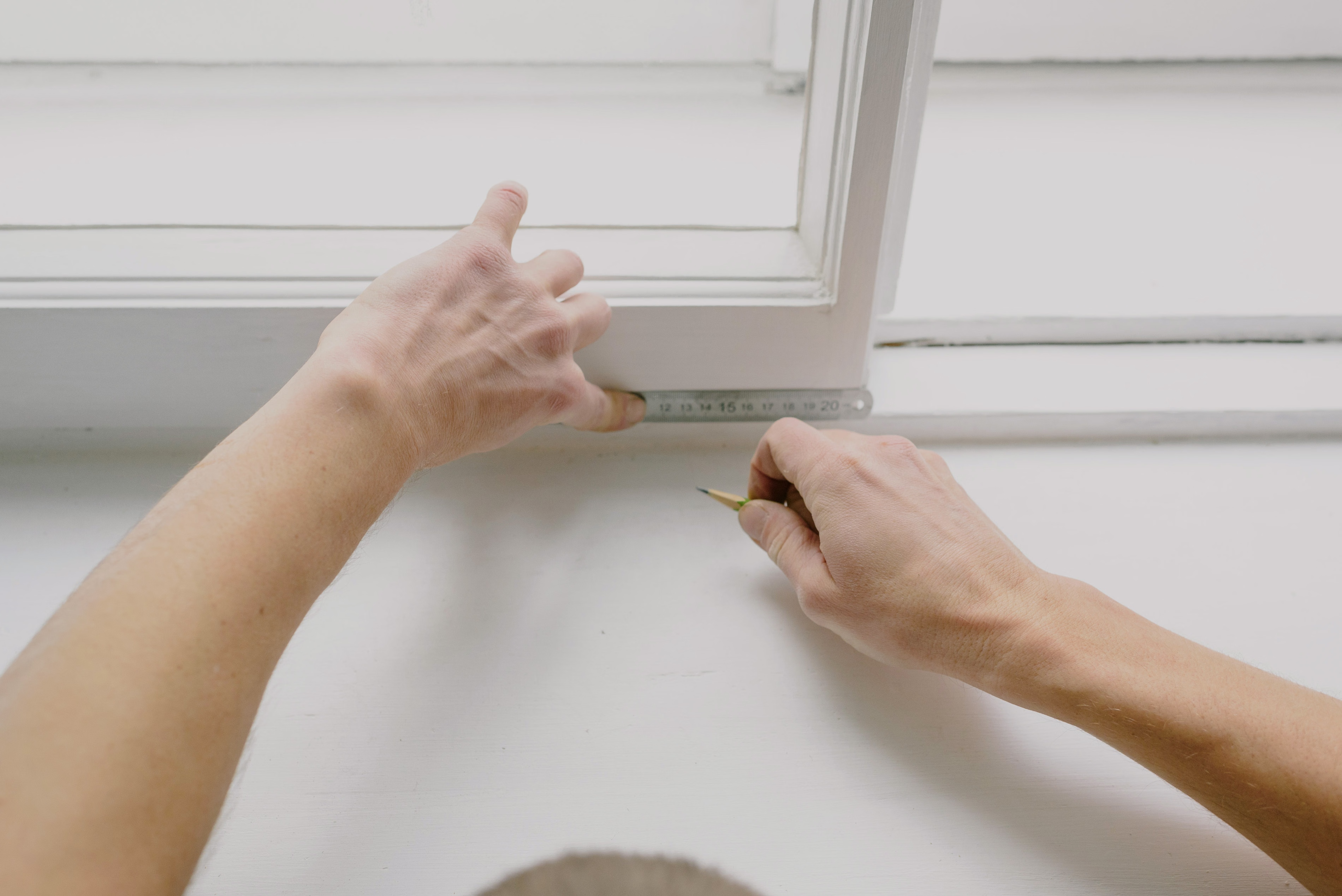
Measuring: This is critical. Measure the opening where the glass sits. Subtract 1/8 inch from both the width and height. This allows the glass to expand and contract with New Jersey’s temperature swings without cracking.
DIY Steps for Broken Window Glass Repair in Wood Frames
Wood windows are the most common DIY candidates.
-
Remove old putty: Use your heat gun to soften the old glazing. Be careful not to scorch the wood. Scrape it out with the putty knife.
-
Prep the wood: Sand the groove and apply a thin coat of linseed oil or primer.
-
Apply a “bed” of putty: Press a thin string of glazing compound into the frame.
-
Set the glass: Press the new pane into the putty.
-
Install glazier points: Space them every 8 to 10 inches. Push them into the wood with your putty knife.
-
Apply the face glazing: Roll the compound into “snakes,” press them against the glass, and smooth them at an angle with your putty knife.
-
Finish: Let it dry (this can take days!) before priming and painting. Ensure your paint slightly overlaps onto the glass to create a weather seal.
For more complex jobs involving modern units, check out Professional Window Glass Repair and Replacement | WindowServ.
Replacing Panes in Aluminum and Vinyl Frames
These are generally “dry” systems, meaning they don’t use putty.
-
Aluminum: Usually, you’ll unscrew the frame or pop out vinyl “stops” (the strips holding the glass). Remove the old glass, lay down a bead of silicone caulk, set the new glass, and snap the stops back in.
-
Vinyl: Most vinyl windows use IGUs. You’ll need to pop off the interior glazing beads, cut through the double-sided tape or silicone holding the unit, and swap the entire IGU.
If your modern windows are looking cloudy, you might need More info about insulated glass units to understand why a simple glass swap might not be enough.
When to Call a Professional for Broken Window Glass Repair
We love a good DIY project, but some jobs are better left to the experts at WindowServ. Safety and structural integrity are paramount.
Call a professional if:
-
The window is on the second floor or higher: Working on a ladder with glass is extremely dangerous.
-
It’s a large “Picture” window: Huge panes are heavy, awkward, and break easily under their own weight if not handled correctly.
-
The frame is rotted: If the wood is soft and crumbly, new glass won’t stay in. We specialize in window wood rot repair and rotten window frame repair.
-
The window is an IGU: Replacing the glass inside a double-pane unit requires specialized equipment to create a vacuum seal.
-
Lead Paint Concerns: If your home was built before 1978, the paint on your window frames likely contains lead. Sanding or heating this paint can release toxic dust. The EPA provides guidelines on how to handle lead-based paint safely.
Our team provides More info about window glass replacement for those situations where a DIY fix just isn’t feasible.
Frequently Asked Questions about Window Repair
Can I replace just one pane in a double-pane window?
Technically, yes, but we don’t recommend it. Double-pane windows are sealed units (IGUs) filled with insulating argon gas. If one pane breaks, the seal is gone, and the gas has escaped. Simply “sticking” a new piece of glass on won’t restore the energy efficiency and will likely lead to condensation. A full IGU replacement is the standard. You can find More info about foggy window glass replacement on our site.
How much can I save by repairing instead of replacing?
A lot! Replacing just the glass while keeping your original frame can save you 60 to 80 percent compared to buying a whole new window unit. Plus, if you have high-quality original wood frames, they are often more durable than cheap modern replacements.
How long does a typical glass repair take?
A single-pane DIY repair usually takes about 30 to 60 minutes of active work, though the putty takes days to cure. A professional replacement of an IGU can often be done in under an hour once the custom glass has been manufactured.
Conclusion
A broken window can be stressful, but it doesn’t have to break the bank. Whether you’re tackling a single-pane wood window in Montclair or dealing with a shattered slider in Jersey City, understanding the basics of broken window glass repair empowers you to protect your home.
At WindowServ, we pride ourselves on being New Jersey’s local experts. From Summit to Westfield and everywhere in between, we focus on comprehensive solutions that save your original frames, improve your energy efficiency by up to 30%, and restore your peace of mind.
If the DIY route feels like too much, or if you’re dealing with complex double-pane units, don’t hesitate to reach out. We offer a satisfaction guarantee and expert service across Bergen, Essex, Hudson, Middlesex, Monmouth, and Union counties.
Schedule your professional window repair today and let us help you get your view back!