
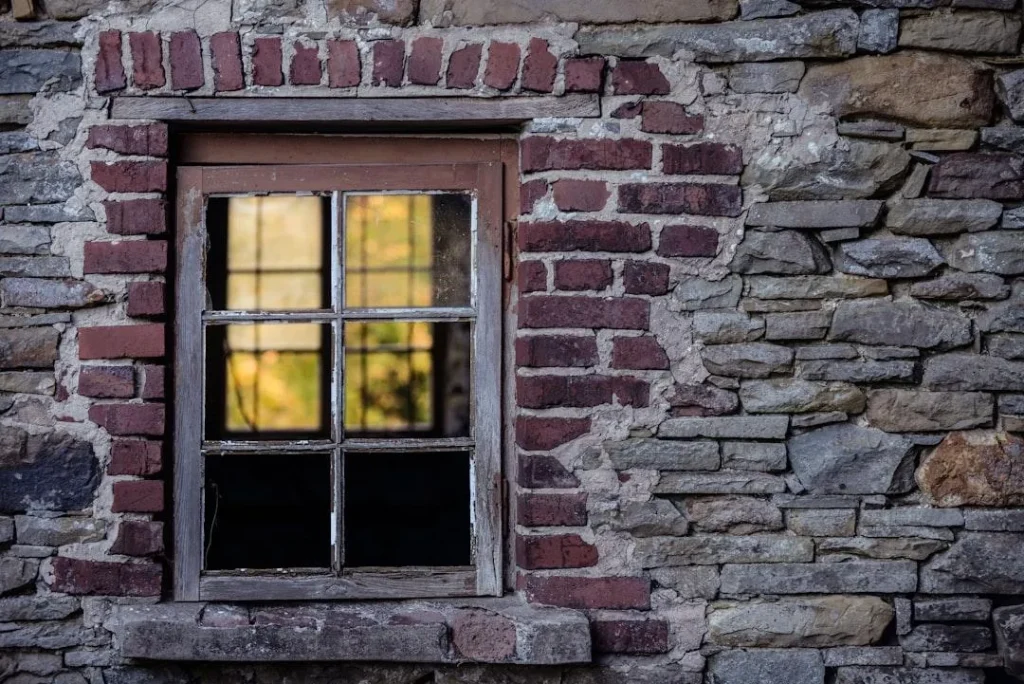
Historic Frame Window Restoration: What NJ Homeowners Need to Know First Historic frame window restoration is the process of repairing, reglazing, and weatherizing original wood or steel windows in older
Historic Frame Window Restoration: What NJ Homeowners Need to Know First
Historic frame window restoration is the process of repairing, reglazing, and weatherizing original wood or steel windows in older homes — rather than replacing them with modern units.
If you’re weighing your options, here’s the short answer:
Question Quick Answer Should I restore or replace? Restore in most cases — it’s cheaper and preserves home value What does restoration cost? ~$50 in DIY materials, or $400–$1,200 per window professionally How long will restored windows last? Decades longer — original old-growth wood outlasts modern lumber Can old windows be energy efficient? Yes — weatherstripping + storm windows can meet or exceed modern energy codes Is it safe with lead paint? Yes, with proper EPA-approved containment and PPE
Many New Jersey homeowners with older homes assume their drafty, sticky, or peeling windows need full replacement. They usually don’t. The original frames — built from dense, slow-grown old-growth wood — are often more durable than anything you can buy new today. The real problem is almost always deferred maintenance, not a failing window.
What looks like a hopeless case — rotted sills, broken sash cords, crumbling putty, fogged glass — is typically fully restorable. And restoring is almost always the smarter financial and environmental choice.
I’m Feiruz Gabibov, COO of WindoServ, a New Jersey-based window repair and maintenance company where I’ve led teams specializing in historic frame window restoration across Bergen, Essex, Union, and Hudson County homes. In this guide, I’ll walk you through everything you need to evaluate your options and make a confident decision.
Why Choose Historic Frame Window Restoration Over Replacement?
When you live in a historic district like Montclair, Ridgewood, or Summit, your windows are more than just glass panes—they are the “eyes” of your home’s architectural soul. Choosing historic frame window restoration over replacement isn’t just a sentimental choice; it’s a practical one based on material science.
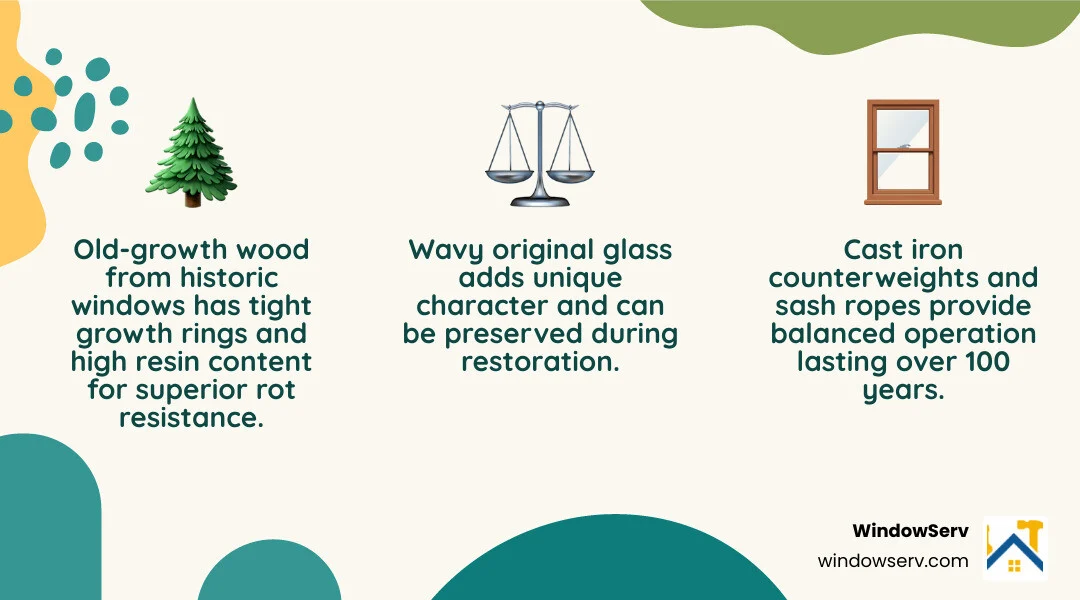
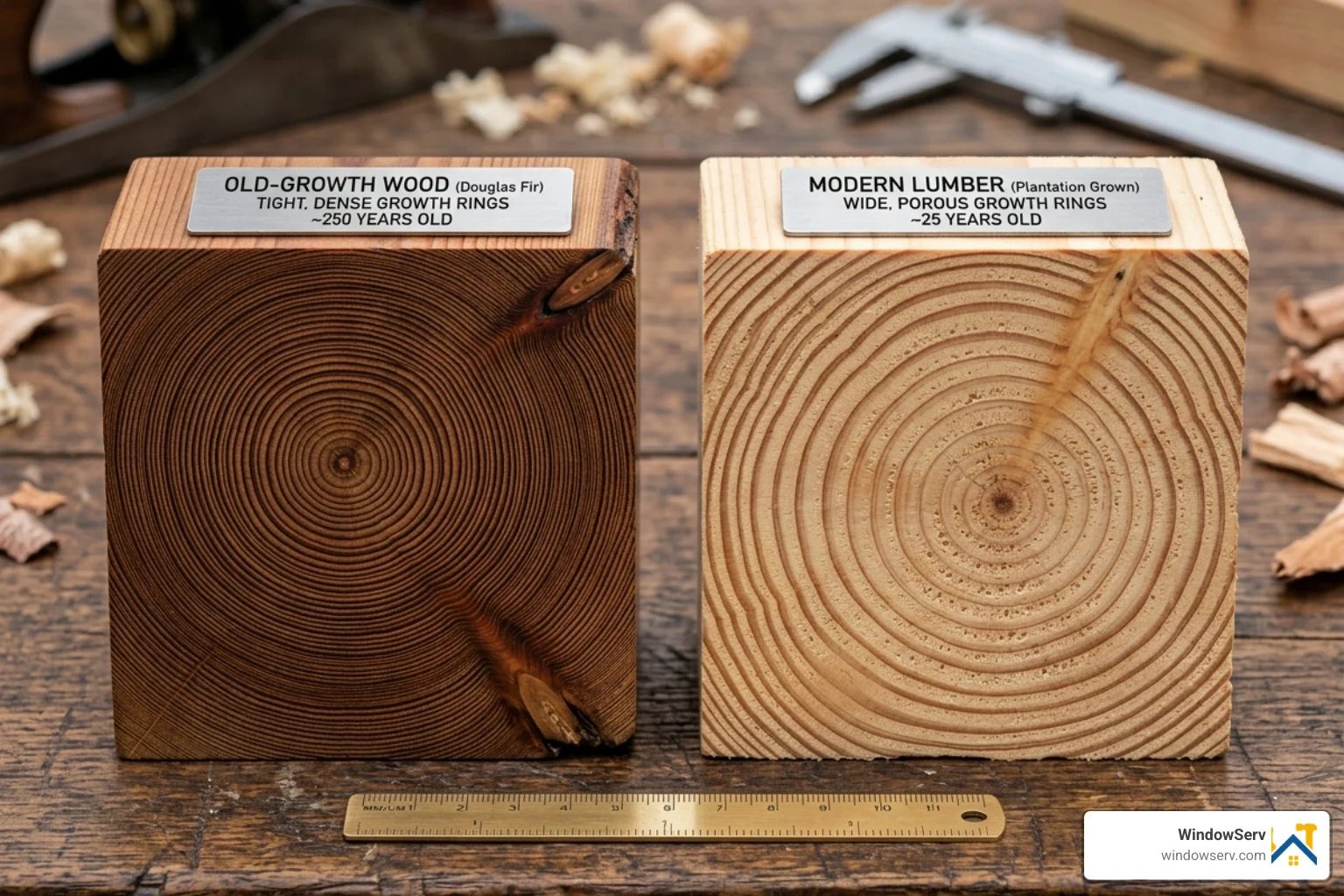
Original windows in New Jersey homes built before the mid-20th century were crafted from old-growth wood. These trees grew slowly over hundreds of years, resulting in tight growth rings and a high resin content. This makes the wood incredibly dense, dimensionally stable, and naturally resistant to rot. In contrast, modern replacement windows are often made from “new-growth” farmed timber, which is porous and prone to decay within a few decades.
Furthermore, the “replacement cycle” is a hidden cost many homeowners overlook. Most high-end vinyl or composite replacements have a lifespan of about 20 years. Once the seals fail on double-paned glass—usually within 10 to 20 years—the unit must be replaced entirely. A restored historic window, maintained properly, can last another century. By choosing restoration, you keep high-quality materials out of New Jersey landfills and preserve the “embodied energy” already spent to create your home.
Beyond sustainability, there is the matter of property value. In landmarked areas of Jersey City or Hoboken, original windows are a key selling point. Removing them for modern inserts often results in a “remuddled” look that can actually decrease your home’s market appeal. For those looking to dive deeper into the technical side, the GSA offers a great resource on Restoring Wood Window Sash and Frames. At WindowServ, we specialize in these window restoration services to ensure your home’s integrity remains intact.
The Myth of Energy Efficiency
Replacement window salespeople love to talk about U-values, but they rarely mention air infiltration. Most heat loss in an old window doesn’t happen through the glass; it happens through the gaps around the sashes. A study by the Window Preservation Standards Collaborative showed that a weatherstripped historic window paired with a quality storm window can actually exceed 2012 energy code requirements.
Feature Restored Historic Window Standard Vinyl Replacement Lifespan 60–100+ years 15–25 years Material Old-growth wood / Steel PVC / New-growth wood Repairability High (parts are replaceable) Low (must replace entire unit) ROI High (increases home value) Low (never “breaks even” on energy)
Durability of Original Materials
The hardware in your historic windows was built to be serviced, not tossed. Quality cotton sash ropes can last over 60 years, and cast iron weights never wear out. Then there’s the glass. Original “wavy” or cylinder glass has a character that modern float glass simply cannot replicate. If you are missing a sash or have a frame beyond saving, we often recommend window replication to match the original profiles exactly.
The Step-by-Step Process of Historic Frame Window Restoration
Restoration is a methodical journey. It begins with the safe removal of the sashes from the frame. This often involves scoring the paint along the window stops with a sharp utility knife to avoid splintering the wood. Once the stops are removed, the bottom sash can be lifted out, and the sash cords can be disconnected (carefully, so the weights don’t crash to the bottom of the pocket!).
Removing the parting bead—the thin strip of wood separating the top and bottom sashes—is often the trickiest part, as they are frequently painted in place. Once the sashes are out, you have full access to the jambs and the weight pockets. This is the ideal time to address any structural issues. If you find soft spots in the sill or outer casing, you may need a detailed guide on rotten window frame repair to ensure the foundation of the window is sound.
Essential Tools for Historic Frame Window Restoration
You can’t do this job with a standard screwdriver and a hammer. Professional-grade restoration requires specialized tools:
-
Infrared Heaters (like the Speedheater): These soften paint and putty without reaching the high temperatures that vaporize lead or crack glass.
-
Pull Scrapers: Essential for removing layers of “paint-glom” to reveal the crisp profiles of the wood.
-
Steam Boxes: Used by pros to soften stubborn glazing putty.
-
Glazing Hammers and Points: For securing the glass back into the sash.
-
Linseed Oil: To condition old, thirsty wood before applying new putty.
If you encounter deep rot during the stripping process, don’t panic. There are many window wood rot repair techniques involving liquid epoxies and wood fillers that can make a soft sill as hard as a rock again.
Lead Safety During Historic Frame Window Restoration
If your NJ home was built before 1978, you must assume there is lead paint. Safety is non-negotiable. This means setting up 6-mil plastic containment zones, wearing a P100 respirator, and using a HEPA-certified vacuum for cleanup. We follow strict EPA Lead Safe standards, which emphasize “wet” methods—wet sanding and wet scraping—to keep dust from becoming airborne. For a deeper look at these safety protocols, check out these safety standards for historic window restoration.
Deglazing and Wood Repair
Deglazing is the process of removing the old, brittle putty that holds the glass in place. Once the glass is out, we inspect the “rabbet” (the groove where the glass sits). We often apply a coat of boiled linseed oil to the bare wood to prevent it from sucking the oils out of the new putty.
For wood repair, we use “Dutchman repairs” (splicing in new wood) for large chunks of missing material, or high-grade epoxy consolidants for smaller areas of decay. This ensures that the window repair restoration project results in a sash that is structurally as good as new.
Enhancing Energy Efficiency in Historic Windows
One of the biggest complaints we hear in places like Westfield or Livingston is that old windows are drafty. While the wood itself is a great insulator, the gaps between the sash and the frame are the culprits.
The secret to a “tight” historic window is high-quality weatherstripping. We often install spring bronze—a thin, V-shaped metal strip that creates a tension seal against the sash. It’s nearly invisible when the window is closed and lasts for decades. Other options include silicone bulb seals tucked into small grooves routed into the sash. These upgrades significantly reduce air infiltration, helping you explore window repair options that pay for themselves in lower utility bills.
Storm Windows and Thermal Upgrades
If you want modern-day performance, pair your restored window with a high-quality storm window. This creates an insulating dead-air space that rivals double-paned glass. Modern “low-profile” storms are much more attractive than the clunky aluminum versions from the 1970s. They provide UV protection for your interior fabrics and a massive reduction in street noise—a must for homes near the train lines in Hoboken or Montclair. If your original glass is shattered beyond repair, we offer window glass replacement services that utilize restoration-grade glass to maintain that historic shimmer.
Restoring Steel vs. Wood Frames
Not all historic windows are wood. Many Art Deco or Mid-Century homes in New Jersey feature steel casement windows. These require a different approach. Instead of wood filler, we use rust-inhibiting primers and metal-specific glazing compounds like DAP 1012. Steel windows are incredibly durable but are prone to “thermal bridging” (where the metal conducts cold directly into the house). In these cases, interior storm windows are often the most effective solution. You can learn more about our historic window restoration services for both wood and metal frames on our dedicated service page.
Professional vs. DIY: Navigating NJ Regulations and Standards
Can you DIY a window restoration? Yes. It costs about $50 in materials per window and a lot of “elbow grease.” However, many homeowners find that after the first window, the time commitment (often 20-40 hours per window for a beginner) is overwhelming.
Furthermore, if you live in a designated historic district, you may be subject to the Secretary of the Interior’s Standards for Rehabilitation. These guidelines prioritize repair over replacement. Local preservation commissions in towns like Paramus or Tenafly may require specific materials or techniques to be used. Navigating these window installation requirements often requires professional documentation to get your permits approved.
When to Hire a Specialist
You should consider hiring a professional if:
-
Structural Rot: If the frame itself is bowing or the masonry is shifting, you need a specialist to re-level the opening.
-
Lead Remediation: If you don’t have the equipment to safely contain lead dust, it’s not worth the health risk to your family.
-
Landmark Compliance: We can handle the paperwork and ensure the work meets the strict standards of your local historic board.
-
Scale: If you have 30 windows that all need work before winter, a professional crew can finish in weeks what might take a DIYer years.
Frequently Asked Questions about Historic Windows
Is restoration cheaper than replacement?
In the long run, absolutely. While a professional restoration might cost $800 and a high-end replacement might cost $1,200, the restoration will last 60+ years, whereas the replacement will likely need to be swapped out again in 20 years. DIY restoration is the cheapest option of all, often costing less than $100 per window in supplies.
How long do restored historic windows last?
With basic maintenance—like repainting every 5–7 years and checking the glazing putty—a restored window can easily last another 50 to 100 years. The old-growth wood used in these windows is essentially “nature’s plastic” but better.
Can I keep my original wavy glass?
Yes! In fact, we encourage it. We take great care during the deglazing process to save every original pane. If a pane is broken, we can often source salvaged “wavy” glass from the same era to ensure the replacement doesn’t stand out.
Conclusion
Restoring your home’s original windows is an act of stewardship. It’s about more than just keeping the wind out; it’s about honoring the craftsmanship of the past while making a sustainable choice for the future. Whether you are in a Victorian in Ridgewood or a brownstone in Jersey City, those windows are a vital part of your home’s architectural legacy.
At WindowServ, we pride ourselves on being New Jersey’s local experts in historic frame window restoration. We offer comprehensive solutions that save your original frames, improve your home’s comfort, and provide up to 30% in energy savings. If you’re ready to bring the life back to your historic windows, we’re here to help.
Schedule a consultation for NJ window replacement and restoration with WindowServ today and let us help you preserve the charm and efficiency of your New Jersey home.