
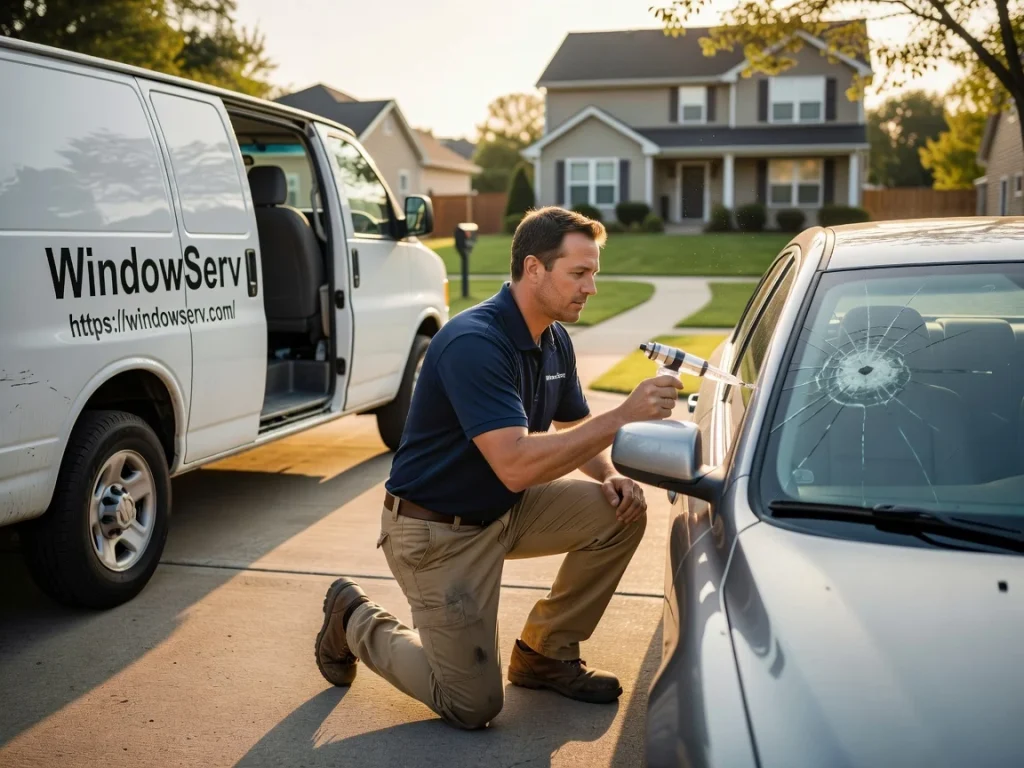
What Is Mobile Architectural Glass Repair — and How Does It Work? Mobile architectural glass repair is a specialized service where a trained technician comes directly to your home, commercial
What Is Mobile Architectural Glass Repair — and How Does It Work?
Mobile architectural glass repair is a specialized service where a trained technician comes directly to your home, commercial property, or any convenient location to fix chips, scratches, or minor damage on structural glass installations — no need to dismantle or transport heavy panels.
Quick answer for busy property owners:
Question Answer What is it? A technician visits your property to repair or restore architectural glass on-site What damage can be fixed? Surface scratches, minor impact chips, and small bullseyes on laminated or tempered glass How long does it take? 45–90 minutes depending on the size and depth of the damage Does insurance cover it? Often yes — many property insurance policies cover restoration with waived deductibles Is it as safe as replacement? Yes — certified technicians restore structural integrity to meet safety glazing standards
A damaged glass windbreak or balcony balustrade used to mean a costly, disruptive replacement process. Today, a fully equipped mobile service team comes to you — and the restoration is usually completed with minimal disruption to your day.
Architectural glass is not just decorative. It contributes significantly to your property’s safety, wind resistance, and structural integrity. Ignoring even a small chip or scratch can lead to a spreading crack under wind pressure or temperature changes, eventually requiring a full, expensive replacement.
I’m Feiruz Gabibov, Chief Operating Officer of WindowServ, where I oversee glass repair operations and quality standards across New Jersey — experience that gives me a clear view of what separates a proper mobile architectural glass repair from a rushed, low-quality fix. In this guide, I’ll walk you through everything you need to know before you book a technician.
Understanding Mobile Glass Repair for Architectural Windscreens and Windbreaks
While the convenience of mobile on-site service has revolutionized the glass industry, the principles of rapid, highly specialized on-site restoration apply directly to the architectural glass that protects our homes and commercial buildings. At WindowServ, we bring this precise, mobile restoration technology directly to your property.
Throughout New Jersey—from the bustling waterfront properties in Jersey City and Hoboken to the spacious commercial developments in Paramus and Montclair—structural glass windscreens, glass balustrades, and outdoor windbreaks are constantly exposed to the elements. These architectural glass installations face high winds, temperature fluctuations, and flying debris.
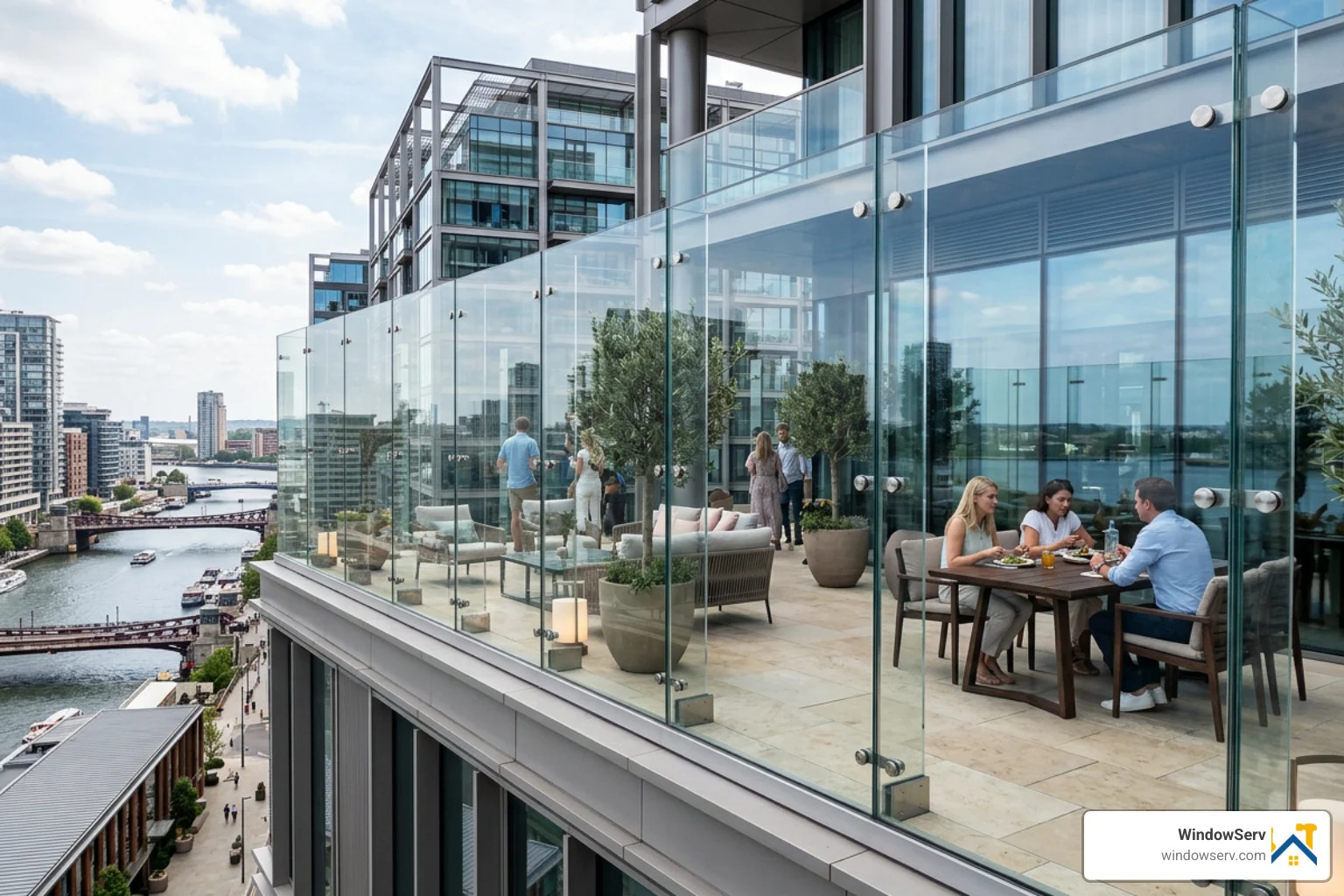
Architectural windscreens and windbreaks rely heavily on two primary types of safety glass to maintain their structural integrity:
-
Laminated Glass: This consists of two layers of glass bonded together by a tough plastic interlayer (typically polyvinyl butyral, or PVB). If the glass is struck by debris, the interlayer holds the fragments together, preventing a dangerous collapse and maintaining a barrier against the wind.
-
Tempered Glass: This glass is heat-treated to be up to four times stronger than standard annealed glass. When it breaks, it fractures into small, relatively harmless pebbles rather than sharp shards.
When these heavy-duty installations sustain minor chips, surface scratches, or localized impacts, you do not always need to undergo the massive expense of a full structural replacement. Mobile restoration systems allow specialized technicians to repair the glass on-site, restoring its strength, clarity, and safety without dismantling the entire metal frame or support system. Whether you need local glass specialists in Hoboken or are seeking Bergen County glass solutions, professional mobile restoration is designed to save you time and money.
When to Choose Mobile Glass Repair for Building Glass
Determining whether your architectural glass can be repaired on-site or requires a complete structural replacement depends on the type, depth, and location of the damage.
For instance, minor surface scratches caused by cleaning tools, windblown sand, or debris can easily be polished out using specialized mobile glass polishing systems. Small impact chips or bullseyes on laminated windbreaks can be filled with high-viscosity, optically clear resins. However, deep stress cracks that run from one edge of the glass panel to the other or damage that penetrates the PVB interlayer of laminated glass will compromise the panel’s structural load-bearing capacity, requiring a full replacement.
Below is a quick-reference guide to help you evaluate your architectural glass damage:
Damage Type Visual Characteristics Recommended Action Surface Scratches Fine lines on the outer surface of the glass; catches a fingernail slightly. On-Site Mobile Repair: Professional polishing can completely restore clarity. Impact Chips / Bullseyes Small, circular damage caused by an impact; limited to the outer layer of laminated glass. On-Site Mobile Repair: Resin injection restores structural strength and prevents spreading. Stress Cracks Single, continuous cracks radiating from the edge of the glass, often caused by thermal expansion. Full Replacement: The structural integrity is permanently compromised. Delamination Cloudiness or moisture intrusion between the glass layers of a laminated panel. Full Replacement: The moisture has degraded the internal PVB bonding layer.
If you are dealing with minor damage in Northern or Central New Jersey, opting for New Jersey mobile glass services early on can prevent a small chip from turning into a massive structural failure.
The Process of Mobile Glass Repair for Commercial Windbreaks
How exactly does a mobile technician repair a heavy-duty commercial glass windbreak on-site? The process is highly scientific and relies on advanced materials and tools specifically calibrated for architectural safety glass.
First, the mobile technician performs a thorough digital assessment of the damaged area to ensure the structural integrity of the glass is still salvageable. Once cleared for repair, the technician cleans the impact point, removing any microscopic glass dust, moisture, or debris that could interfere with the bonding agent.
Next, a specialized bridge and injector system are mounted directly over the damaged area. The technician uses this vacuum-sealed system to extract any air trapped inside the chip or crack. Once a vacuum is established, an optically clear, UV-curable structural resin is injected into the void under high pressure. This resin is formulated to match the exact refractive index of the glass, ensuring that once cured, the repair is virtually invisible to the naked eye.
Once the crack is completely filled, the technician applies a curing film and exposes the area to a precise wavelength of ultraviolet (UV) light. This initiates a chemical reaction that cures and hardens the resin in minutes, effectively bonding the fractured glass back together. Finally, the excess resin is carefully scraped flat, and the surface is polished to a brilliant, crystal-clear finish.
All professional repairs must comply with strict safety standards, such as the ANSI safety glazing standards, ensuring that the repaired windbreak can still withstand its rated wind loads and protect the building’s occupants.
Weather Limitations and Safety Standards in Architectural Glass Repair
While mobile glass repair is incredibly convenient, it is not entirely immune to the laws of nature. Because the repair process relies on chemical resins and precise adhesives, outdoor weather conditions play a massive role in whether a mobile repair can be successfully completed.
Extreme temperature fluctuations, high humidity, and precipitation are the primary enemies of outdoor glass restoration. For instance, if a glass panel is freezing cold during a New Jersey winter, injecting warm resin can cause a thermal shock, instantly turning a minor chip into a major, unrepairable crack. Conversely, during hot summer days, direct sunlight can cause the resin to cure prematurely before it has fully penetrated the depth of the crack.
Moisture is equally problematic. If rain, snow, or high humidity introduces water into the damaged area, the resin will not bond properly with the glass, resulting in a cloudy, weak repair that will eventually fail.
To combat these limitations, professional mobile glass technicians utilize advanced weather-ready techniques:
-
Temperature Management: Technicians use specialized heating pads or cooling shields to gradually bring the glass panel to an optimal working temperature (typically between 50°F and 80°F) before beginning the repair.
-
Moisture Control: Dryout tools are used to evaporate any microscopic moisture trapped within the glass fracture.
-
Controlled Curing: Technicians utilize high-intensity LED UV lamps rather than relying on natural sunlight, allowing them to precisely control the curing time regardless of cloud cover.
Furthermore, all architectural glass repairs must adhere to strict safety glazing standards, including applicable guidance from organizations such as ASTM International. This helps ensure that any repaired or replaced glass continues to meet local building codes and safety regulations across counties like Bergen, Essex, and Union. If you are located in Central New Jersey, working with an experienced team that understands Central New Jersey glass installation standards is essential to ensuring your property remains fully compliant and safe.
Insurance Claims and Coverage for Residential Glass Restoration
Dealing with damaged glass on your property can be stressful, but navigating the financial side of the repair doesn’t have to be. Many homeowners and commercial property owners are pleasantly surprised to learn that mobile glass restoration is often fully covered by their property insurance policies.
Because repairing a glass panel is significantly cheaper than replacing an entire window or windbreak, many insurance carriers are highly motivated to cover the cost of restoration. In fact, to encourage property owners to choose repair over replacement, some insurance companies will waive the standard deductible entirely for minor repairs. This means you could potentially get your glass windbreak or residential window repaired on-site with zero out-of-pocket costs.
At WindowServ, we make the insurance process as seamless as possible. Our team regularly assists clients throughout Monmouth, Middlesex, and Hudson counties with:
-
Direct Billing: We can bill your insurance provider directly, saving you from having to pay upfront and wait for reimbursement.
-
Paperwork Handling: We assist in compiling the necessary digital assessments, photos of the damage, and technical reports required by your insurance adjuster.
-
Deductible Verification: We help you verify whether your policy qualifies for a deductible waiver, ensuring you get the maximum coverage possible.
If you are a resident of Monmouth County dealing with storm damage or accidental impact, choosing a provider with deep experience in local claims—such as utilizing Monmouth glass specialists—can dramatically simplify your restoration journey.
Frequently Asked Questions about Architectural Glass Repair
Can structural glass windbreaks be repaired on-site?
Yes! As long as the damage is caught early and consists of minor surface scratches, impact chips, or small bullseyes, structural glass windbreaks can be successfully repaired on-site. Mobile technicians use specialized vacuum-injection systems to fill the damaged area with high-strength, optically clear resins that restore both the structural integrity and the safety rating of the glass. However, if the glass has developed deep stress cracks or delamination, a full replacement will be required.
How does weather affect outdoor glass curing?
Weather has a direct impact on the curing process. High humidity or rain can introduce moisture into the crack, preventing the resin from bonding with the glass. Extreme cold can make the glass brittle and prone to cracking during the repair, while extreme heat can cause the resin to cure too quickly. Professional mobile technicians use specialized climate-control tools, moisture evaporators, and UV curing lamps to ensure a perfect cure regardless of the outdoor conditions.
Is mobile glass repair covered by property insurance?
In many cases, yes. Most property insurance policies cover glass damage under their standard coverage. Because on-site repairs are highly cost-effective, many insurance companies will even waive your deductible for a repair, resulting in zero out-of-pocket costs for you. It is always best to consult with a professional glass service provider who can help you navigate the claim filing and direct billing process.
Conclusion
Whether you are dealing with a damaged glass windbreak on a commercial terrace in Jersey City or need to restore a cracked window in your suburban home in Ridgewood, mobile glass repair offers an incredibly convenient, safe, and cost-effective solution. By addressing minor chips and scratches early, you can avoid the high costs of full replacements while keeping your property safe and structurally sound.
At WindowServ, we are proud to be New Jersey’s local glass experts, serving Bergen, Essex, Hudson, Middlesex, Monmouth, and Union counties. Our comprehensive architectural glass and window restoration solutions are designed to save your original frames, improve your property’s energy efficiency by up to 30%, and provide you with a beautiful, crystal-clear view—all backed by our 100% satisfaction guarantee.
Don’t let damaged glass compromise your property’s beauty and safety. Schedule professional window glass replacement with the experts at WindowServ today, and let our mobile team bring precision restoration directly to your door!