
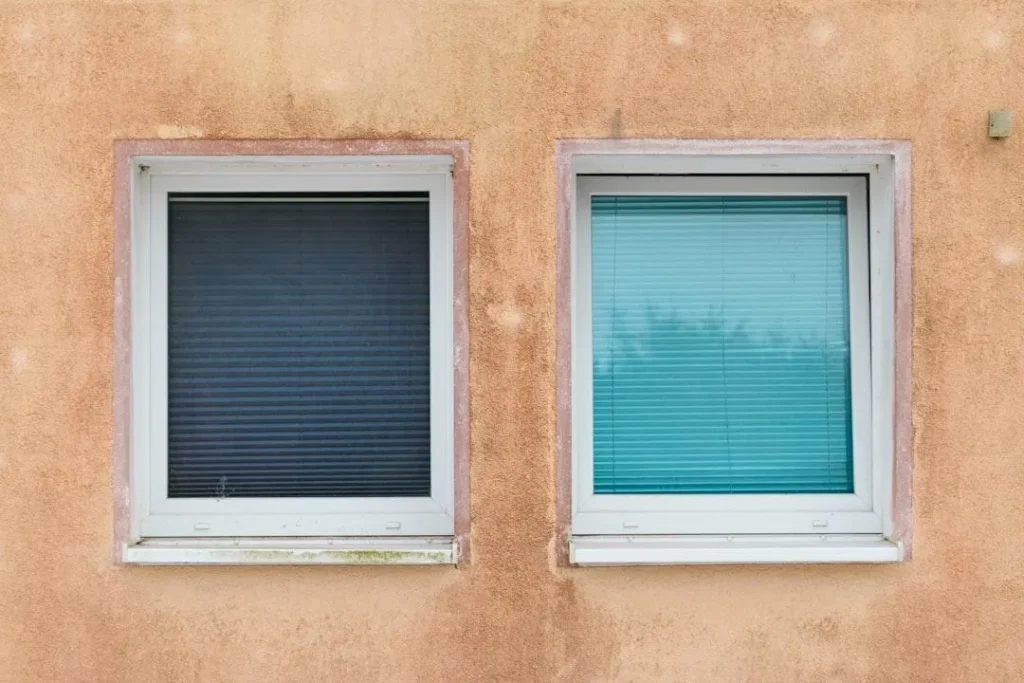
Why Window Frame and Screen Replacement Matters More Than You Think Window frame and screen replacement is one of the most practical home upgrades you can make — and one
Why Window Frame and Screen Replacement Matters More Than You Think
Window frame and screen replacement is one of the most practical home upgrades you can make — and one of the most overlooked. Here’s a quick snapshot of what’s involved:
Task DIY or Pro? Typical Cost Time Required Screen mesh replacement only DIY $20–$100 per screen 30–60 min Pre-made screen swap DIY $30–$80 per screen 15–30 min Custom screen order + install DIY or Pro $50–$150 per screen 1–2 hours Insert (pocket) window replacement Pro recommended $300–$700 per window 2–4 hours Full frame + screen replacement Pro $600–$1,500 per window Half to full day
For most New Jersey homeowners, the problem starts small — a torn mesh, a bent frame, a draft you can’t quite locate. But left alone, these issues compound fast. A damaged screen lets insects in. A failing frame lets heat out and cold in. And a rotted sill can quietly become a much bigger structural problem.
The good news? Most window screen issues are fixable without replacing the entire window. And when you do need a full frame replacement, modern vinyl and aluminum options with Low-E glass can cut energy bills noticeably.
This guide walks you through everything: screen materials, frame types, measurement, installation, and when to call a professional.
I’m Feiruz Gabibov, Chief Operating Officer of WindoServ, a New Jersey-based window repair and replacement company where I’ve overseen thousands of window frame and screen replacement projects across the state. My team’s hands-on experience — from rescreening older home windows to full-frame vinyl replacements — is the foundation for every recommendation in this guide.
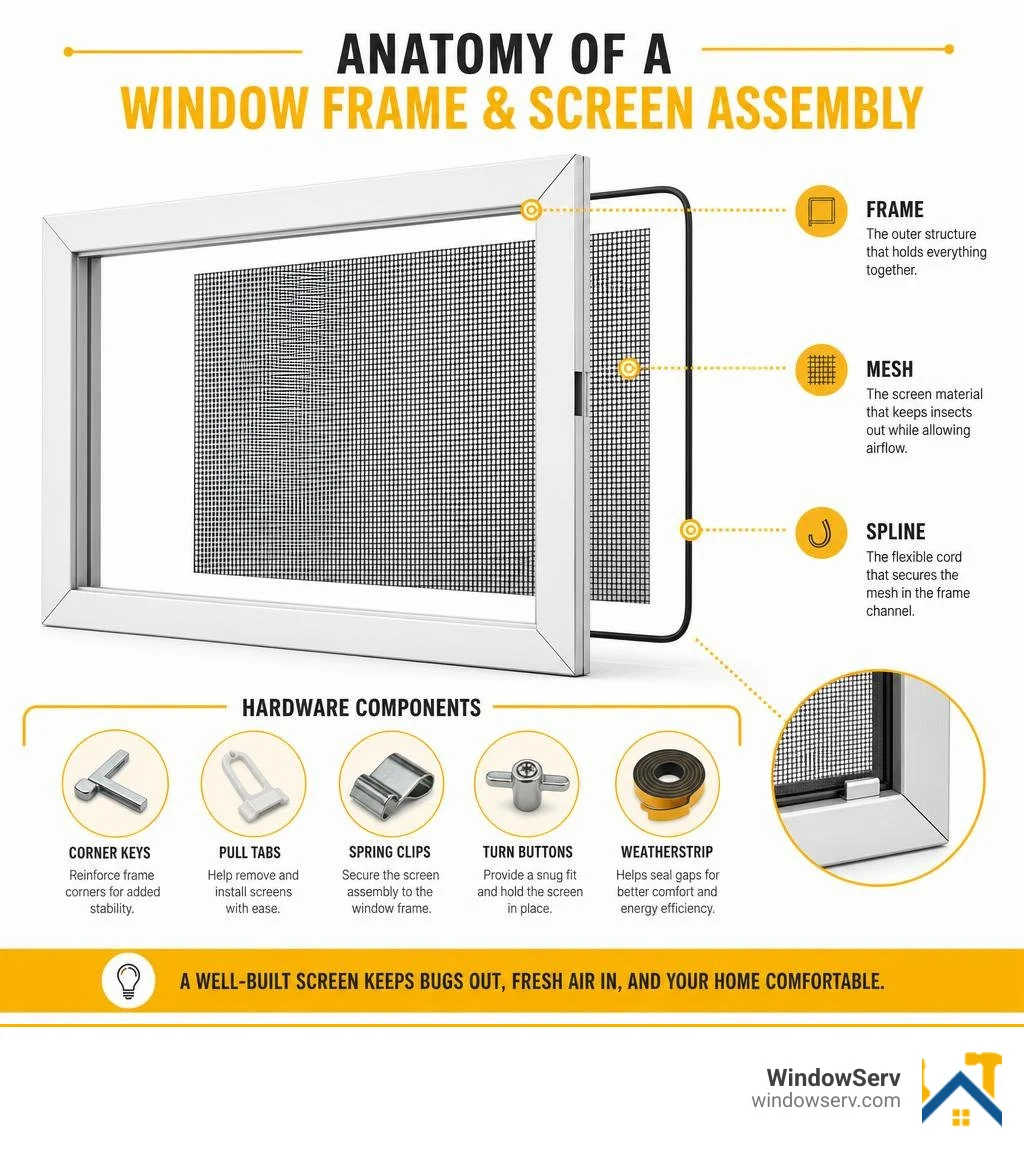
Understanding Window Screen Materials and Mesh Types
Choosing the right screen material involves balancing durability, visibility, airflow, and budget. The standard mesh size in the industry is 18×16 (18 squares per inch horizontally by 16 squares vertically), which provides excellent general protection. However, modern materials offer specialized advantages.
Material Durability Visibility Relative Cost Best For Fiberglass Moderate Excellent Low Standard residential windows; budget-friendly projects Aluminum High Good Moderate Homes prone to high winds; long-term durability Polyester Extremely High Moderate High Homes with active pets or children Stainless Steel Outstanding Good Very High Maximum security and fire resistance Copper High Good Premium Historic or high-end architectural accents
Fiberglass Mesh
Fiberglass is the most popular choice for modern screens. It is incredibly flexible, meaning it won’t dent or crease if bumped. It is also rust-proof, corrosion-resistant, and highly cost-effective. The only real downside is that it can degrade under intense UV exposure over many years and is relatively easy for pets to scratch through.
Aluminum Wire
Aluminum screens are strong, rust-resistant, and will not sag over time. However, aluminum can crease easily during installation or if struck by a stray backyard ball. Once dented, aluminum wire is nearly impossible to flatten out completely, usually requiring replacement.
Polyester Durability
Heavy-duty polyester screens, often marketed under names like Super Screen, are incredibly tough. They are typically coated in vinyl and can be up to three times stronger than standard fiberglass, making them highly resistant to tears and weather damage.
Stainless Steel and Copper
Stainless steel screens offer unparalleled strength and are virtually fireproof. Copper screens are a premium choice, often chosen for historic New Jersey homes in areas like Ridgewood or Montclair, as they naturally weather from a bright bronze to a beautiful, dark greenish-brown patina over time.
Standard vs. Specialty Screens
Sometimes standard insect protection isn’t enough. Depending on your home’s location and your lifestyle, you might want to upgrade to specialty mesh options:
-
Pet-Resistant Screens: Made of heavy-duty, vinyl-coated polyester, these screens are up to seven times stronger than standard fiberglass. They easily withstand clawing and scratching from dogs and cats.
-
Solar Screens: Designed to block up to 70% to 90% of harmful UV rays, solar screens act like sunglasses for your home. They protect your furniture from fading and reduce solar heat gain, which is a lifesaver during hot New Jersey summers.
-
No-See-Um Screens: Standard screens can let tiny biting gnats and midges through. No-see-um screens feature a much tighter weave (typically 20×20) to keep even the smallest pests out.
-
Privacy Screens: These screens use a unique weave pattern that makes it difficult for passersby to see inside your home during the day, while still allowing you to see out clearly.
If you are looking to upgrade your home’s comfort, ordering custom window screen replacements tailored to your specific environmental needs is always a smart investment.
How to Measure and Choose Screen Frames and Hardware
A screen is only as good as its frame. If the frame is bent, warped, or improperly sized, bugs will find the gaps, and the screen may rattle in the wind.
Measuring with Precision
When ordering or building a replacement screen, accuracy is everything. You must measure to the nearest 1/16 of an inch.
-
Measure the Width: Measure from the inside of the screen track on one side to the inside of the track on the other side.
-
Measure the Height: Measure from the top track to the bottom track.
-
Subtract Clearance: To ensure the screen actually slides into place without jamming, subtract 1/16 to 1/8 of an inch from your final measurements.
Selecting Frame Materials and Colors
Most modern screen frames are made of roll-formed or extruded aluminum. Extruded aluminum is thicker, heavier, and far more rigid, making it the preferred choice for larger windows. Standard frame depths include 5/16″, 3/8″, and 7/16″.
To keep your home looking cohesive, frames are available in a variety of factory-finished colors, including white, tan, bronze, black, champagne, and mill (silver). If you are updating your frames, it is also the perfect time to review our window weatherstripping replacement guide to ensure your entire window envelope is sealed against drafts.
Selecting the Right Screen Hardware
The hardware keeps your screen securely anchored in the window frame. Different window designs require different fastening systems:
-
Leaf Tension Springs: Flat, curved metal springs installed in the top channel of the screen frame. They push the screen down into the bottom track, allowing for easy, tool-free removal.
-
Pull Tabs: Small plastic or metal loops attached to the spline channel, giving you something to grip when pulling the screen out of the frame.
-
Plunger Bolts: Spring-loaded metal bolts that pop into pre-drilled holes in the window frame. These are incredibly secure and common in wood windows.
-
Swivel Latches (or Casement Clips): Small plastic or metal tabs attached to the window frame that rotate over the screen edge to hold it in place.
-
Ram Horn Clips & Wood Window Hardware: Specialty hardware designed for classic wood window frames, ensuring a secure fit without damaging historic trim.
Pre-Made vs. Custom-Made Window Screens
When shopping for replacements, you have two primary routes:
-
Pre-Made Screens: These are off-the-shelf, standard-sized screens available at home improvement stores. They are inexpensive and convenient if you happen to have standard modern windows. However, because window brands vary slightly, pre-made screens often fit poorly, leaving gaps or bowing in the middle.
-
Custom-Made Screens: Built to your exact measurements (within 1/16 of an inch), custom screens offer a perfect seal, superior warp resistance, and your choice of specialty mesh. While they cost more upfront, they eliminate the frustration of loose fits and shipping damage often associated with flimsy DIY kits.
When to Choose Full Window Frame and Screen Replacement
Sometimes, simply replacing the screen mesh or a bent screen frame isn’t enough. If the structural window frame itself is failing, a more comprehensive approach is required.
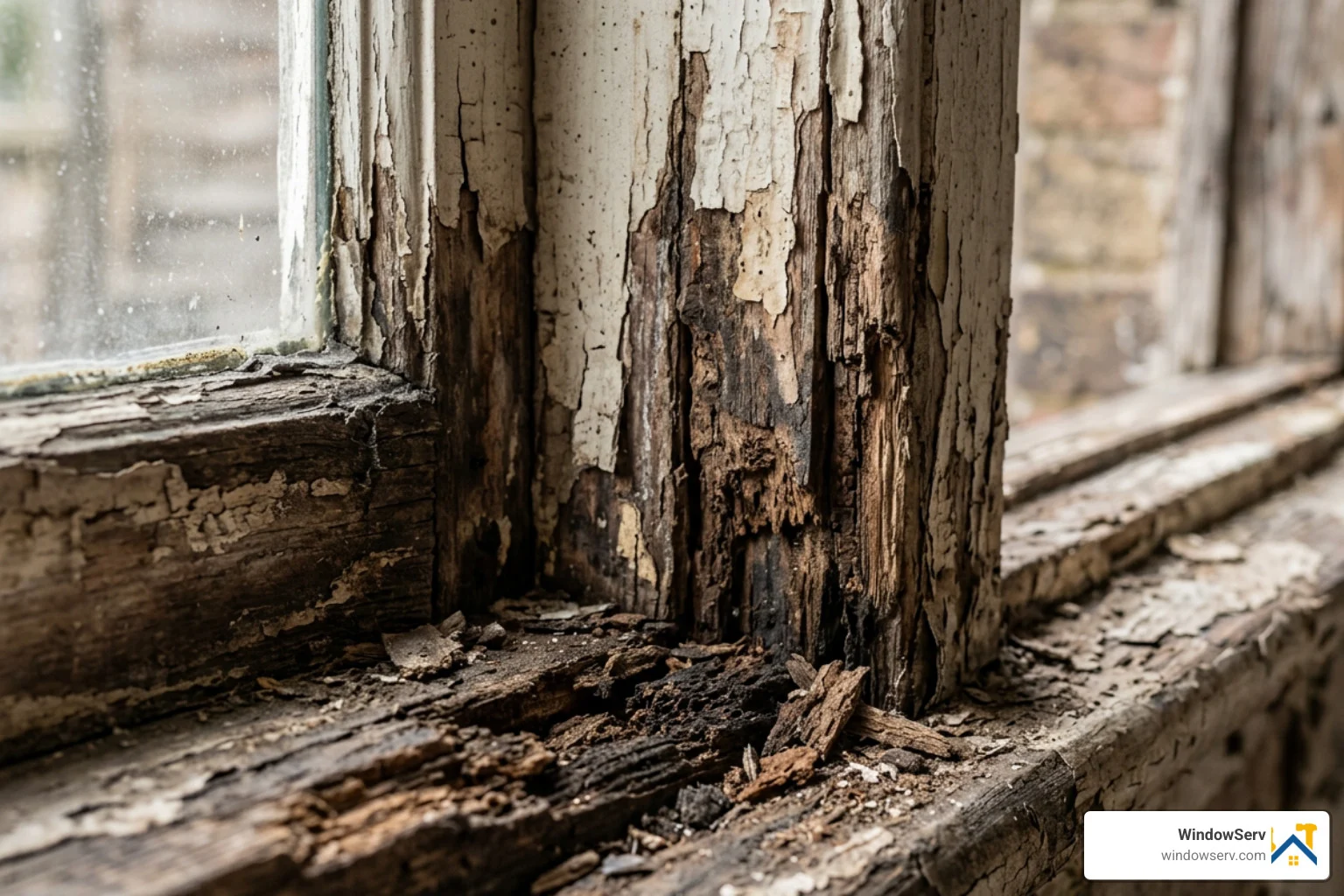
Diagnosing Frame Damage: Repair vs. Replacement
Before spending money on cosmetic fixes, you need to assess the structural integrity of your window frame.
To do this, perform the awl test: take a screwdriver or a sharp awl and gently press it into the wooden frame, especially around the corners and the sill. If the wood feels soft, spongy, or crumbles away, you are dealing with wood rot.
-
When to Repair: If the rot is localized to a small area of the exterior trim or sill, we can often perform a targeted repair using structural epoxy and wood consolidants. Read our window frame repair guide 2026 for a deep dive into these techniques, or explore our professional window wood rot repair services.
-
When to Replace: If the rot has penetrated the structural framing (jambs), the window sashes are warped, or the window frame is out of square by more than 1/4 inch, a full replacement is necessary. Attempting to fix window frame structures that are severely compromised will only lead to recurring drafts and water leaks.
Energy Efficiency Benefits of New Frames
If your window frames are drafty, replacing them can drastically cut your heating and cooling bills. Modern replacement windows feature advanced multi-chambered vinyl or thermally broken aluminum frames that prevent heat transfer.
When paired with Low-E (low-emissivity) glass and insulating argon gas fills, new windows act as a powerful barrier against New Jersey’s freezing winters and humid summers. For example, high-quality units like the American Craftsman 27.75 in. x 53.25 in. Replacement Window or the larger American Craftsman 40 in. x 54 in. Replacement Window come with energy-efficient glass and matching screens included.
Depending on your home’s layout, you might choose a American Craftsman 28 in. x 62 in. Replacement Window for single-hung designs, or a compact American Craftsman 36 in. x 36 in. Replacement Window for smaller openings. Upgrading to these modern units via our professional window replacement services can save you up to 30% on your seasonal energy bills.
Step-by-Step Guide to DIY Screen Installation
If your screen frames are in good shape but the mesh is torn, rescreening is a highly satisfying weekend project.
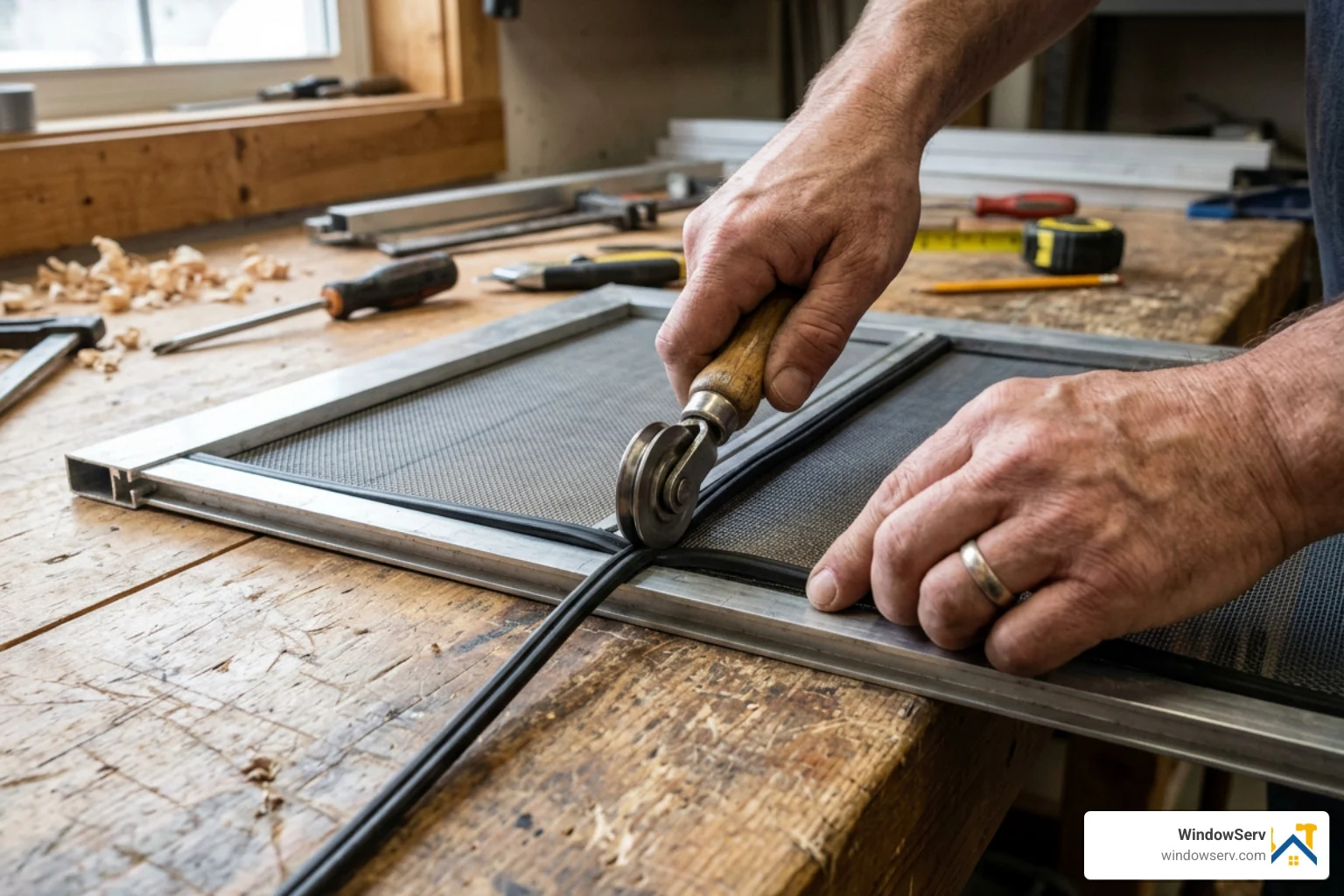
Tools and Materials Needed:
-
New roll of screen mesh (cut 2 inches wider and longer than the frame)
-
Screen retainer spline (rubber cord that locks the mesh into the frame)
-
Spline rolling tool (with a concave wheel and a convex wheel)
-
Utility knife (with a fresh, sharp blade)
-
Tension springs and plastic pull tabs (if replacing hardware)
Step-by-Step DIY Window Frame and Screen Replacement
-
Remove the Old Spline and Mesh: Use an awl or a flathead screwdriver to pry up the end of the old rubber spline. Pull it out of the channel and discard the old mesh. Clean any dirt or debris out of the frame channel.
-
Lay Out the New Mesh: Lay the screen frame flat on a sturdy work surface. Roll the new mesh over the frame, ensuring it overlaps all four sides by at least one inch. Tape the mesh securely to the top and bottom of your work surface to keep it taut but not overly stretched.
-
Insert New Hardware: If your screen uses leaf tension springs or pull tabs, slide them into the frame corners or place them in the channel before rolling the spline.
-
Roll the Spline: Start at one corner. Use the convex (pointed) wheel of your spline tool to push the mesh lightly into the channel. Then, press the rubber spline into the channel over the mesh using the concave (grooved) wheel.
-
Maintain Proper Tension: As you roll down each side, gently pull the mesh outward with your free hand. Don’t pull too hard, or you will bow the aluminum frame inward, creating an hourglass shape.
-
Trim the Excess: Once the spline is fully seated around all four sides, take your utility knife. Place the blade flat against the outside of the spline channel and carefully cut away the excess mesh. Take your time so the blade doesn’t slip and slash your brand-new screen!
Cleaning and Maintaining Your Window Screens
To keep your newly installed screens looking great and lasting for years, follow these simple maintenance tips:
-
Seasonal Vacuuming: Twice a year, run a soft brush attachment from your vacuum over the screens to remove dust, pollen, and spiderwebs.
-
Deep Clean with Soap and Water: Once a year, pop the screens out of your windows. Lay them flat on a clean patio or driveway. Mix a few drops of mild dish soap with warm water, gently scrub the screens with a soft-bristled brush, and rinse them thoroughly with a garden hose (avoid using high-pressure power washers, which can tear the mesh).
-
Winter Storage: In freezing climates like northern New Jersey, consider removing your window screens during the winter. This prevents heavy snow and ice accumulation from stretching out the mesh.
Frequently Asked Questions about Window Screens
How do I measure a window for a replacement screen if the old screen is missing?
If you don’t have the old screen to use as a template, you will need to measure the “daylight opening” of the window frame. Open the window sash fully and measure the width and height of the outer screen track recess where the screen frame sits. To ensure the screen can be inserted and removed easily, subtract 1/8 inch from your width and height measurements. If you are unsure, our professional window repair technicians can take laser-accurate measurements for you to guarantee a flawless fit. Don’t hesitate to reach out for a quick window repair assessment.
Can I replace just the screen mesh without replacing the frame?
Yes! If your aluminum screen frame is straight, square, and free of structural cracks, you can easily perform a “rescreening” using inexpensive bulk mesh and new spline. This is highly cost-effective and saves the aluminum frame from going to a landfill. However, if the frame is bent, bowed, or missing its corner keys, it is best to replace the entire assembly.
The Cost of Professional Window Frame and Screen Replacement
While DIY rescreening is highly affordable, hiring a professional for custom-sized screens or full window frame replacement saves time and ensures a perfect seal. Professional installation typically ranges from $50 to $150 per screen (including custom frame fabrication) and $300 to $1,500 for full window frame replacements. Choosing a professional service also guarantees that your screens are backed by a warranty, giving you peace of mind.
Conclusion
A high-quality window frame and screen replacement does more than just keep the bugs out — it transforms how your home breathes, lowers your energy costs, and boosts your curb appeal. Whether you decide to tackle a simple rescreening project yourself this weekend or upgrade your home with energy-efficient, custom-fit frames, taking action now prevents minor drafts from turning into costly structural issues down the road.
If you suspect your window frames are suffering from moisture damage or wood rot, let our local New Jersey experts handle the heavy lifting. Contact us today for a professional rotten window frame repair consultation, and let’s restore the comfort, beauty, and efficiency of your home.