
Why Knowing How to Fix a Window Frame Can Save You Time and Money Knowing how to fix a window frame the right way can prevent small problems from turning
Why Knowing How to Fix a Window Frame Can Save You Time and Money
Knowing how to fix a window frame the right way can prevent small problems from turning into costly repairs — here’s a quick overview of what’s involved:
How to fix a window frame (quick summary):
-
Assess the damage — press a screwdriver into the wood to check for soft spots or rot
-
Remove damaged material — use a chisel to clear out rotted or crumbling wood down to solid material
-
Apply wood hardener — soak the remaining wood to strengthen it before filling
-
Fill with epoxy — use a two-part epoxy filler to restore the frame’s shape and structure
-
Sand and seal — sand smooth, then prime and paint with exterior-grade paint
-
Address mechanical issues — check weatherstripping, caulk, and balance hardware for rattles or drafts
-
Know when to replace — if more than 10% of the frame is damaged, full replacement may be the smarter call
Windows do a lot of quiet, unglamorous work. They seal out cold air, block moisture, reduce noise, and keep your home secure. But when a frame starts to rot, crack, or rattle, all of that falls apart — fast.
Window sill rot is one of the most common problems in older homes. Left unchecked, it spreads to surrounding trim, the frame itself, and even the wall structure beneath. A small soft spot today can become a full replacement job tomorrow.
The good news? Most window frame damage is fixable — and many repairs are well within reach for a motivated homeowner.
I’m Feiruz Gabibov, Chief Operating Officer of WindoServ, where I’ve overseen hundreds of window repair and restoration projects across New Jersey, developing hands-on expertise in how to fix a window frame — from minor rot to full structural repairs. In this guide, I’ll walk you through everything you need to know to get the job done right the first time.

Common Causes of Window Frame Damage
In our years of serving New Jersey homeowners from Hoboken to Summit, we’ve seen that window frames are essentially the front line of your home’s defense against the elements. Because they are constantly exposed to the shifting Jersey climate — from humid summers to freezing winters — they are prone to specific types of wear.
Moisture Infiltration and Fungal Decay
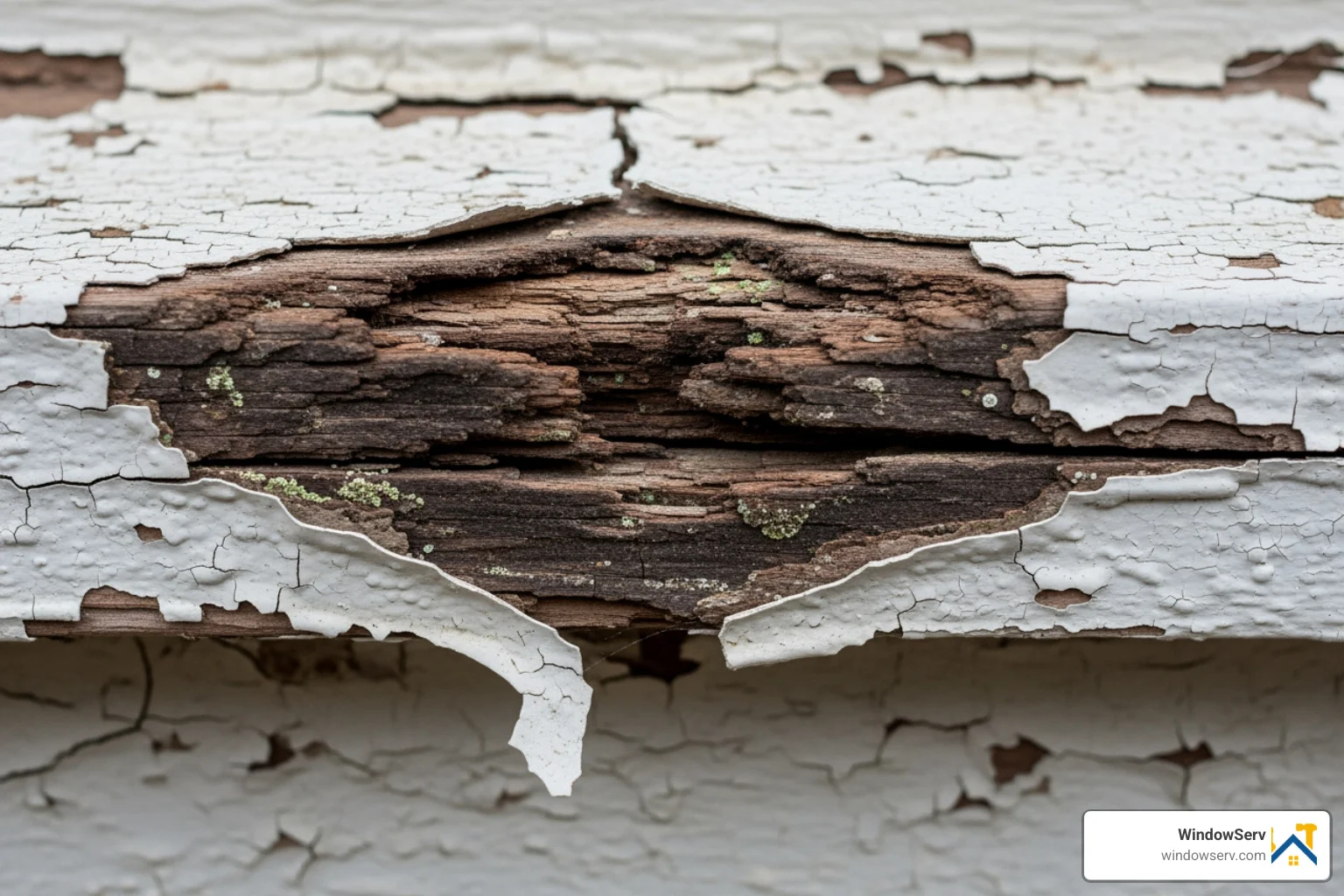
Moisture is the primary enemy. When paint chips or caulk cracks, water finds a way into the wood fibers. This leads to “wet rot,” which thrives in damp, poorly ventilated areas. If left unaddressed, fungal decay can set in, turning solid timber into a soft, spongy mess. According to industry Window Frame Damage Statistics, window sill rot is one of the most frequent issues in homes older than 20 years.
Thermal Expansion and Contraction
Materials like wood and vinyl expand when it’s hot and contract when it’s cold. In May 2026, as we transition into warmer weather, you might notice new cracks. This constant movement can break the seals between the frame and the glass, leading to air leaks and rattling. Proper Window Repair Services often involve resealing these gaps to restore energy efficiency.
Poor Drainage and Insect Damage
If your window sills aren’t angled correctly (the “pitch”), water pools against the frame instead of shedding away. This standing water invites wood-boring insects like termites or carpenter ants, which find rotted wood much easier to tunnel through. Our Wooden Window Refurbishment Guide emphasizes that maintaining the sill’s slope is crucial for long-term health.
How to Fix Window Frame Rot and Structural Damage
When you discover a soft spot, your first instinct might be to panic. However, modern chemical solutions like epoxy consolidants and wood hardeners have revolutionized how we fix a window frame. You no longer have to tear out the entire unit for a localized patch of rot.

To get started, you’ll need a few specific tools:
-
A sharp wood chisel or a rotary tool
-
Epoxy wood consolidant (a liquid that soaks into wood)
-
Two-part epoxy wood filler
-
A drill with a 1/4-inch bit
-
Sandpaper (80 and 120 grit)
-
Exterior-grade primer and paint
Step-by-Step Guide to Fix Window Frame Wood Decay
-
Clear the Rot: Use your chisel to scrape away every bit of “punky” or soft wood. You must reach bright, solid wood to ensure a lasting repair. If you leave any decay behind, it will continue to spread under your patch.
-
Prep for Penetration: Once the area is clean, drill 1/4-inch holes spaced about one inch apart into the healthy wood surrounding the repair area. This allows the Window Wood Rot Repair consolidant to soak deep into the grain.
-
Apply Resin Consolidant: Brush on the liquid epoxy consolidant. It acts like a glue for the wood fibers, turning old, softened wood into a rock-hard base. Apply several coats until the wood stops “drinking” the liquid.
-
Fill the Void: Mix your two-part epoxy filler. This stuff is thick, like peanut butter. Pack it firmly into the cavity, slightly overfilling it to account for any minor shrinkage.
-
Shape and Sand: After the epoxy cures (usually 24 hours), sand it down so it’s flush with the rest of the frame.
-
Finish with Paint: Epoxy is sensitive to UV rays, so you must prime and paint it. This provides the final weatherproofing layer.
For more complex structural issues, check out our specialized Rotten Window Frame Repair services for NJ residents.
Using Epoxy for Permanent Frame Restoration
Using epoxy isn’t just a “temporary fix.” When done correctly, the bonded area is often stronger than the original wood. This is a hallmark of Window Restoration Services, allowing us to save historic frames in places like Montclair or Ridgewood that would otherwise be destined for a landfill. The key is “shaping the profile” — using a putty knife to recreate the decorative curves of the original molding before the epoxy hardens.
Troubleshooting Mechanical Issues and Rattling
Sometimes the frame is structurally sound, but the window just won’t stay up, or it rattles every time a breeze hits. This usually points to a failure in the internal mechanics.
Mechanical Components to Check
-
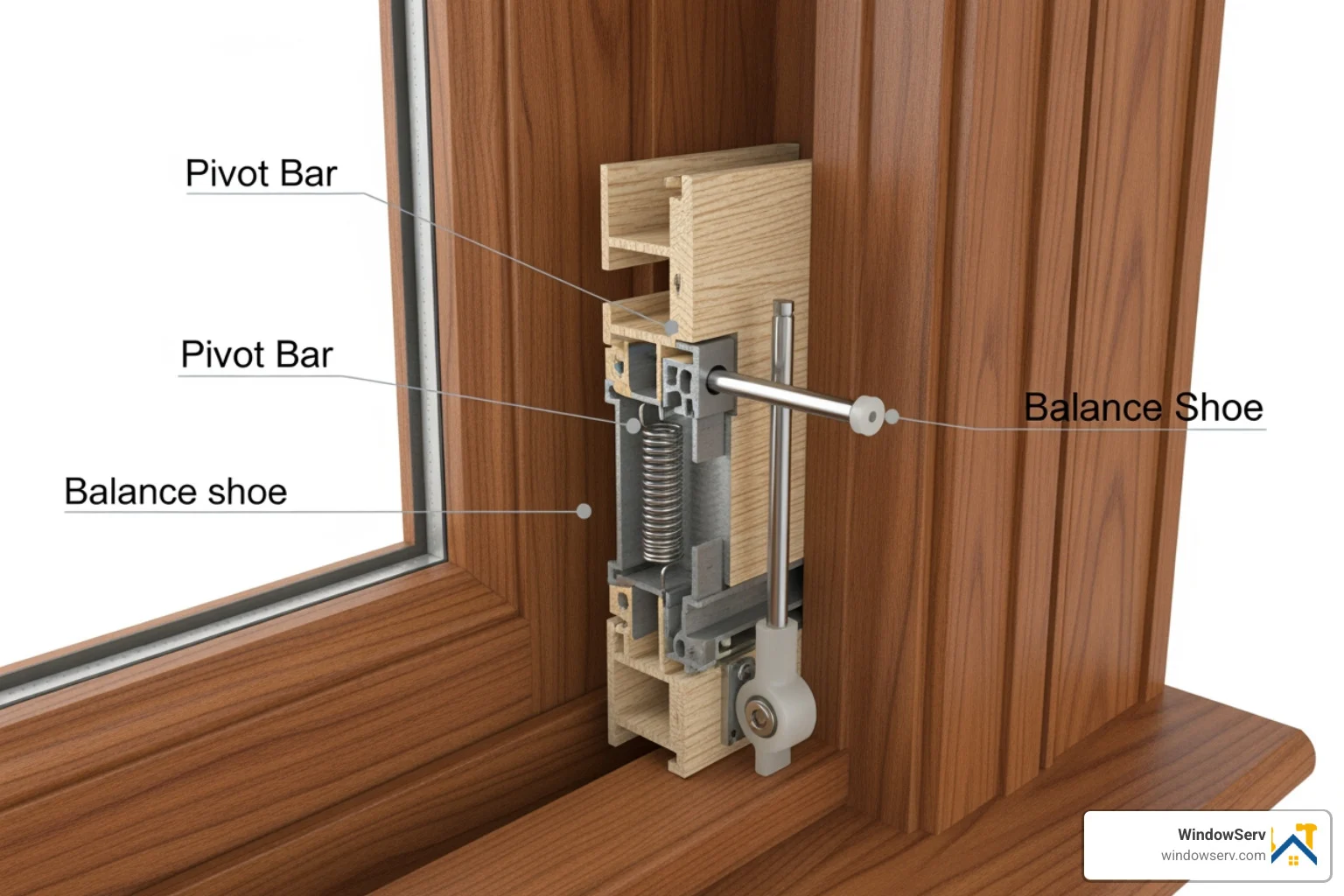
Pivot Bars and Balance Shoes: If your window falls shut, the pivot bar (the metal piece at the bottom of the sash) might be snapped, or the balance shoe (the part inside the track it hooks into) might be stuck.
-
Sash Cords and Weights: In older New Jersey homes, you’ll find weights hidden in the wall. If the cord snaps, the window becomes a heavy guillotine. Replacing these with new cotton cord is a classic How to Repair Wood Windows task.
-
Constant Force Balances: Modern windows use springs. If these lose tension, the sash will slowly slide down.
How to Fix Window Frame Rattles and Drafts
A rattling window is usually a loose window. To fix a window frame that makes noise, you need to eliminate the “play” between the sash and the frame.
-
Weatherstripping: Apply peel-and-stick V-strip or foam weatherstripping to the channels. This creates a snug fit that stops the vibration.
-
Caulking: Inspect the exterior where the frame meets the siding. Use an acrylic-based caulk for general gaps, or silicone if you’re dealing with active water intrusion.
-
Sash Alignment: Sometimes the “stop beads” (the thin strips of wood holding the window in place) have moved. Gently tapping them closer to the sash with a rubber mallet can tighten the whole assembly.
For those living in older properties, our Historic Frame Window Restoration page offers deeper insights into maintaining the unique mechanics of antique sashes.
When to Repair vs. Full Window Replacement
We always prefer to save a window whenever possible, but there is a “point of no return.” Knowing the difference can save you from wasting money on a frame that is structurally unsound.
Feature Repair It If… Replace It If… Extent of Rot Less than 10% of the frame is affected. More than 10-25% of the frame is spongy. Glass Condition Single pane is cracked or foggy. Multiple panes are broken; seals are gone. Energy Efficiency Minor drafts can be fixed with caulk. You have significant energy loss (30%+). Lead Paint Frame is stable and can be encapsulated. Paint is severely peeling and hazardous. Operation Window is stuck but frame is square. Frame is warped, bowed, or out of square.

If you find that your frames are beyond a simple DIY fix, exploring Window Replacement Options might be the most cost-effective long-term move. New windows can offer up to 30% energy savings, which is a significant factor for New Jersey homeowners facing rising utility costs.
Frequently Asked Questions about Window Frame Repair
How can I tell if my window frame is rotted?
The easiest way is the “Screwdriver Test.” Take a flathead screwdriver and gently press it into the wood, especially at the corners and the sill. If the wood feels soft, crumbles, or the screwdriver sinks in without much effort, you have rot. You might also notice peeling paint, a musty smell, or localized discoloration.
Can I fix a window frame without removing the glass?
Yes! Most repairs to the outer frame or the sill can be done with the glass in place. However, if the rot has reached the “muntins” (the thin strips of wood between glass panes) or the sash itself, it is often safer to remove the sash to work on it horizontally. This prevents accidental glass breakage while you’re chiseling or sanding.
How often should I inspect my window frames for damage?
We recommend a thorough inspection at least once a year. The best time is during the spring (like right now in May 2026) or autumn. Look for cracked caulk, chipped paint, and gaps where the frame meets the wall. Catching a small crack today and filling it with a $10 tube of caulk can prevent a $1,000 repair bill three years down the road.
Conclusion
At WindowServ, we believe that a well-maintained window is the heart of a comfortable home. Whether you are dealing with a historic wood frame in Montclair or a modern vinyl unit in Jersey City, knowing how to fix a window frame is an essential skill for protecting your investment.
By following the steps outlined above — removing rot, using high-quality epoxy, and maintaining your weatherstripping — you can extend the life of your windows by decades. However, we also know that some jobs are too big, too high, or too complex for a weekend DIY project.
As local New Jersey experts, we offer comprehensive solutions that prioritize restoration over replacement whenever possible. We stand behind our work with a satisfaction guarantee and the promise of improved energy efficiency for your home.
Don’t let a small soft spot turn into a structural failure. If you’ve inspected your windows and found damage that feels overwhelming, we’re here to help. Request a Rotten Window Frame Repair Quote today and let our team restore the beauty and security of your home’s windows.