
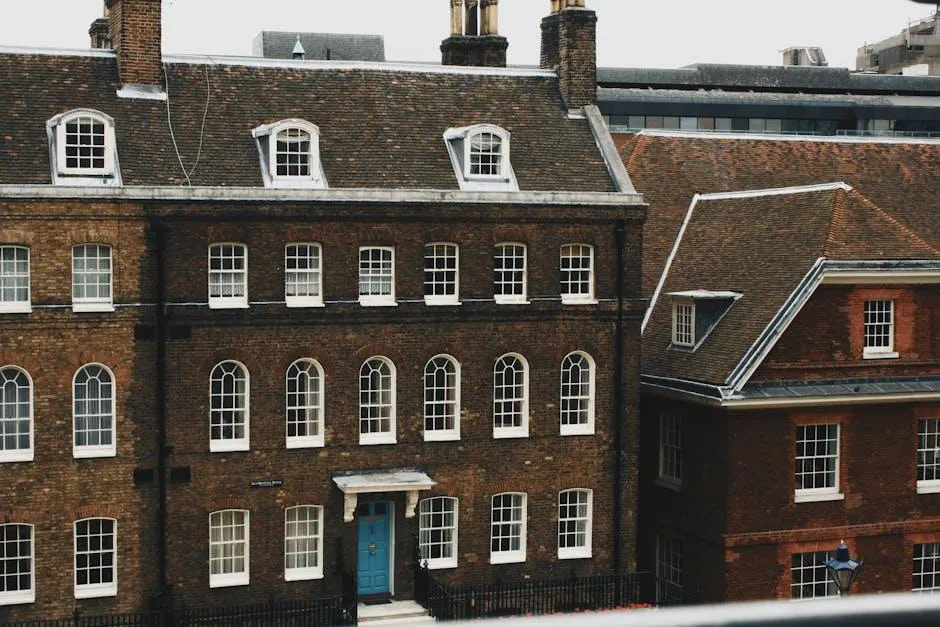
Why Victorian Window Restoration Is Worth Getting Right Victorian window restoration is the process of repairing, stabilising, and upgrading original timber sash windows from the 1837–1901 era — preserving their
Why Victorian Window Restoration Is Worth Getting Right
Victorian window restoration is the process of repairing, stabilising, and upgrading original timber sash windows from the 1837–1901 era — preserving their historic character while improving comfort, efficiency, and security.
Here’s what Victorian window restoration typically involves:
-
Assess the damage — identify rot, broken sash cords, failed glazing, and draught points
-
Repair or stabilise the timber — patch rot with epoxy or replace sections like-for-like
-
Re-glaze — replace cracked or failed single-pane glass; consider slimline double glazing
-
Draught-proof the sashes — add brush or compression seals to eliminate draughts
-
Re-hang and balance — replace sash cords and check pulley systems
-
Refinish — strip old paint, prime, and repaint to protect the timber
If you own a Victorian home in New Jersey, you already know the tension: those original timber sash windows are part of what makes the property special. But they’re also draughty, rattly, and increasingly hard to maintain.
The good news? Most Victorian windows are worth saving. As one restoration expert puts it, people often look at an old window and assume it’s too far gone — but most of the time, it can be restored. Old-growth timber, the material used in most Victorian-era frames, is remarkably dense and durable. With the right approach, restored windows can last another century.
That said, restoration isn’t always the right call. Sometimes replacement makes more financial sense — especially when rot has spread across multiple windows or frames have lost their structural integrity. This guide helps you figure out which path is right for your home.
I’m Feiruz Gabibov, Chief Operating Officer of WindoServ, a New Jersey-based window repair and maintenance company with hands-on experience assessing and completing Victorian window restoration projects across the state. I’ll walk you through everything you need to make a confident, informed decision.
The Anatomy and Common Problems of Victorian Windows
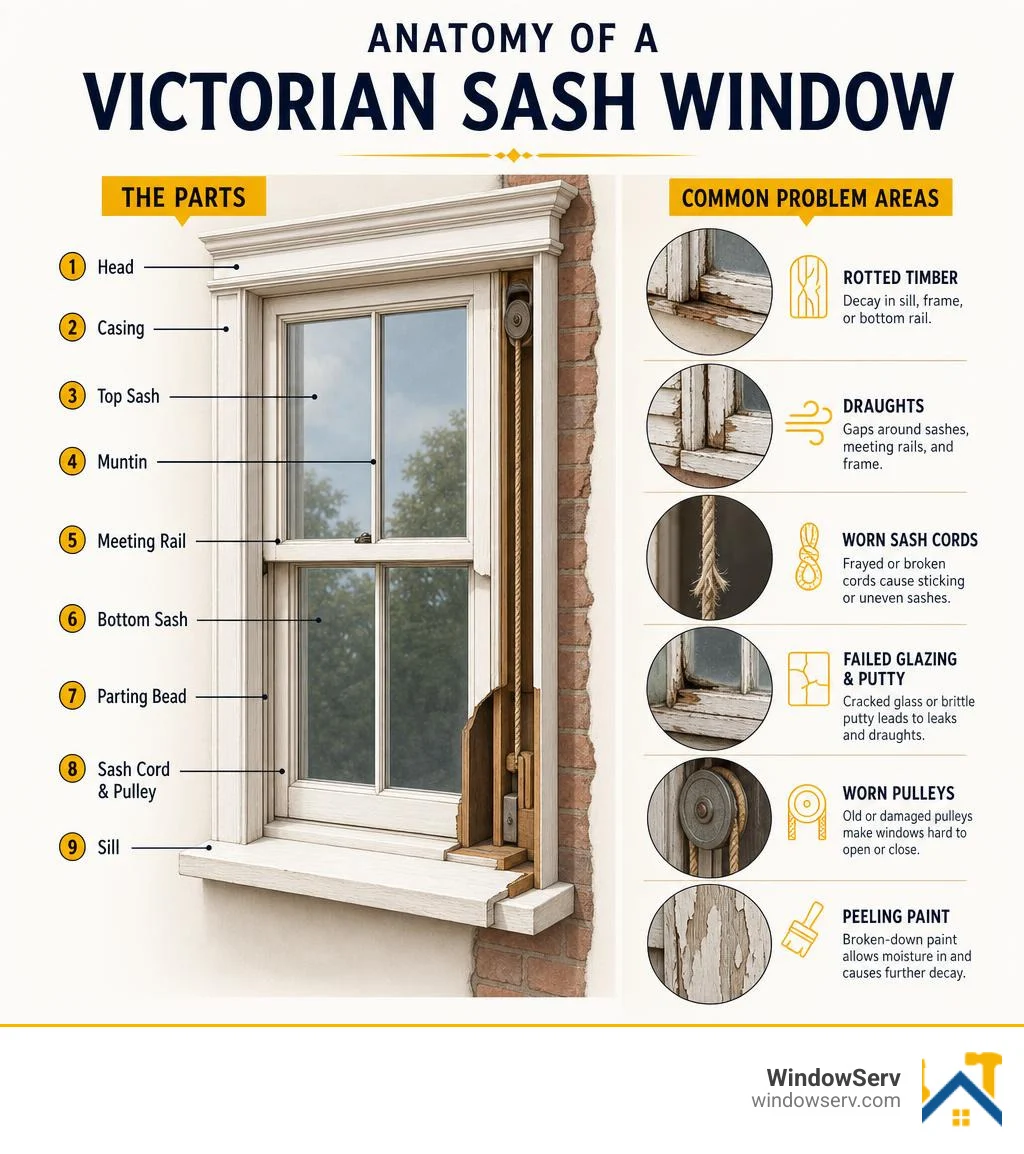
To understand how to fix a Victorian window, we must first understand how it was built. Unlike modern windows, which are often sealed, single-unit vinyl or composite systems designed for a 20-to-30-year lifespan, Victorian windows are masterpieces of traditional joinery. They were constructed to be disassembled, repaired, and reassembled indefinitely.
The classic Victorian window is a double-hung sash window. It consists of two sliding timber frames (the upper and lower sashes) that bypass each other vertically. These sashes glide within a box frame, counterbalanced by heavy iron or lead sash weights hidden inside the side jambs. These weights are connected to the sashes via cotton sash cords running over brass pulleys.
Key components of this system include:
-
The Meeting Rails: The horizontal rails where the upper and lower sashes meet and lock in the middle.
-
The Parting Beads: Small vertical strips of wood set into the jambs that keep the top and bottom sashes separated.
-
The Staff Beads: The interior trim moulding that holds the lower sash in place.
Because these windows have spent well over a century facing harsh New Jersey winters and humid summers, they frequently exhibit several common issues:
-
Timber Rot: Water naturally pools on horizontal surfaces like the outer window sill and the bottom rail of the lower sash. Over decades, paint cracks, moisture penetrates, and wood-destroying fungi take hold. When this happens, professional Window Wood Rot Repair is essential to stop the decay before it compromises the entire opening.
-
Broken Sash Cords: Traditional cotton cords eventually fray and snap. When a cord breaks, the sash weight drops to the bottom of the pocket, leaving the window heavy, dangerous, and unable to stay open on its own.
-
Rattling Panes and Draughts: Wood naturally expands and contracts with shifting seasonal humidity. Over generations, this movement—compounded by worn-out parting beads—creates gaps. The result? Windows that rattle violently in the wind and let freezing winter air pour straight into your living room.
-
Single Glazing Performance Issues: Original Victorian glass is beautifully wavy and full of character, but it offers virtually zero thermal resistance.
Identifying Structural vs. Cosmetic Damage
When assessing your windows, it is vital to distinguish between ugly cosmetic issues and genuine structural failure.
Many homeowners look at a window covered in fifty layers of peeling, cracked paint and assume it is ruined. In reality, thick paint buildup is purely cosmetic. Once the paint is safely stripped away, the underlying wood is often in pristine condition.
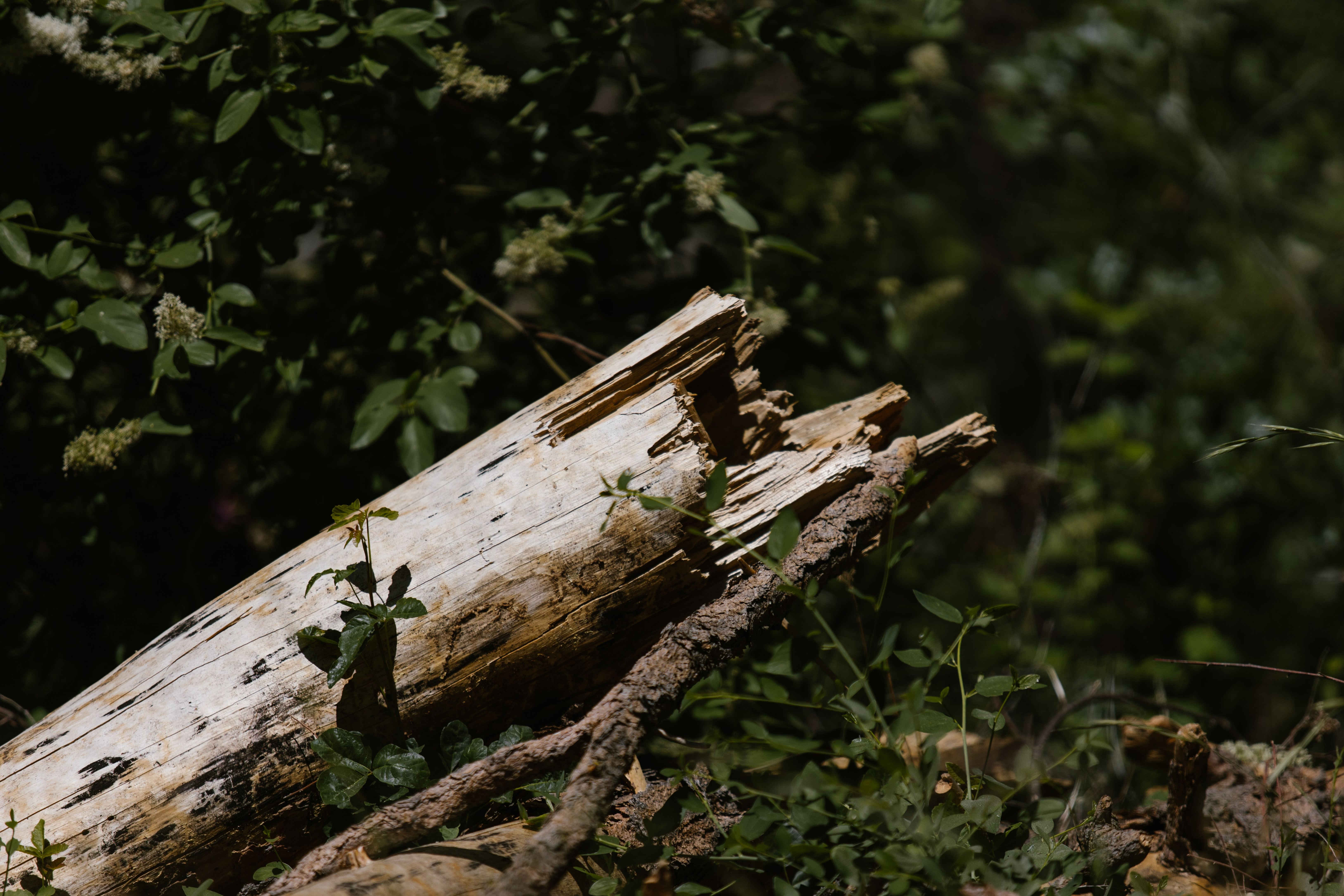
Genuine structural damage involves the integrity of the frame and sashes. If the corners of the sash (the mortise and tenon joints) have separated, or if the wood has turned soft and spongy to the touch, you are dealing with structural decay.
Fortunately, because Victorian windows were crafted from dense, old-growth timber, this wood resists rot far better than modern fast-growth pine. Even when rot looks severe, we can often perform a targeted Rotten Window Frame Repair rather than discarding the entire window.
Repair vs. Replacement: The Victorian Window Restoration Dilemma
When faced with drafty, sticky windows, the temptation to replace them entirely with modern alternatives is strong. However, replacing historic timber windows with vinyl or cheap composites is often a decision homeowners regret.
Modern vinyl windows are fundamentally designed for obsolescence. Their double-paned insulated glass units (IGUs) typically last 10 to 20 years before the seals fail, causing the glass to fog up permanently. Once a vinyl window breaks or its seal fails, it cannot be easily repaired; the entire unit must be thrown into a landfill and replaced.
In contrast, original timber windows can last centuries. By choosing Victorian window restoration, you preserve the irreplaceable old-growth timber, maintain your home’s architectural soul, and avoid the cycle of temporary window replacements.
Feature Historic Timber Restoration Complete Modern Replacement (Vinyl/uPVC) Primary Material Original old-growth timber Virgin vinyl, composite, or fast-growth pine Lifespan Indefinite (100+ more years with maintenance) 15 to 25 years (seals fail, vinyl degrades) Repairability High (every single part can be repaired/replaced) Low (must replace entire unit if damaged) Aesthetic Value Authentic historic profiles and wavy glass Flat glass, bulky frames, non-traditional sightlines Maintenance Requires repainting every 4 to 6 years Low maintenance, but cannot be painted or restored Environmental Impact Highly sustainable; keeps materials out of landfills High carbon footprint; non-recyclable vinyl waste
The Cost and Value of Victorian Window Restoration
There is a common myth that replacing windows is always more cost-effective than restoring them. While a cheap vinyl window might have a lower upfront price tag, restoration offers far superior long-term value and return on investment (ROI).
According to the Window Preservation Alliance, a restored historic wood window paired with a high-quality storm window can match or even exceed the energy efficiency of a brand-new double-paned replacement window.
While professional window restoration can cost anywhere from $1,000 to $2,000 per window depending on the severity of the damage, it is a permanent investment. DIY restoration materials can cost under $50 per window for those with the patience to do it themselves, though the process is highly time-consuming.
For a complete breakdown of the financial and architectural benefits, you can consult our detailed Wood Window Restoration Guide.
Step-by-Step Guide to Professional Victorian Window Restoration
A professional Victorian window restoration is a highly systematic, step-by-step process. It requires specialized tools, patience, and a deep respect for historic building techniques. If you are looking to hire a team or understand what goes on behind the scenes, here is how we approach a standard restoration project:
-
Documentation and Labeling: Before a single screw is turned, every window component is carefully documented and numbered. This ensures that every sash, bead, and weight goes back into its exact original opening.
-
Sash Removal: We carefully pry away the interior staff beads, cut the old sash cords, and remove the bottom sash. Next, we slide out the parting bead to release the top sash.
-
Paint and Putty Removal: Sashes are taken to a controlled workshop. We use low-temperature infrared heat tools or steam boxes to soften rock-hard glazing putty and ancient paint without vaporizing any lead.
-
Timber Stabilization: Once stripped to bare wood, we assess the frame. Soft spots are treated with liquid consolidants, and rotted sections are cut out and repaired using Dutchmen repairs (matching historic timber Dutchmen patches glued with epoxy) to ensure structural strength.
-
Re-glazing: The original glass is cleaned, re-inserted into the sash bedded in wet glazing compound, and secured with metal glazing points before a fresh bevel of glazing putty is hand-applied.
-
Painting: After the putty cures, we apply a high-quality primer and two coats of premium exterior paint, ensuring we paint slightly onto the glass to create a watertight seal.
To learn more about our hands-on services, visit our dedicated Window Restoration service page.

Lead Safety and Glazing Upgrades in Victorian Window Restoration
Because almost all properties built before 1978 contain lead-based paint, safety is our absolute priority during restoration. Working with lead requires specialized personal protective equipment (PPE), including P100 respirators, and strict containment protocols.
According to the historic Restoration Guide published by Preserve Montana, dry sanding or using high-heat guns (over 1100°F) is highly dangerous because it creates fine lead dust and toxic fumes. Instead, professional restorers use low-dust wet-scraping techniques and HEPA-filtered vacuums to keep the work environment completely safe for your family.
During the re-glazing phase, we also have the opportunity to upgrade the glass. While we always try to save beautiful, historic wavy glass, we can replace broken panes with salvaged historic glass or install modern laminated or Low-E glass to improve UV protection and safety.
Re-hanging and Balancing the Sashes
A sash window should glide up and down with the push of a single finger. Achieving this effortless movement requires restoring the original weight-and-pulley system.
Over the years, pulleys get painted shut and weights get stuck. During a professional Wooden Sash Window Repairs project, we pull the weights out of their pockets, clean and lubricate the brass pulleys, and re-hang the sashes using high-grade, spot-cord cotton sash rope. We then carefully weigh the sashes and adjust the lead or iron counterweights so the window remains perfectly balanced at any height.
Upgrading Performance: Glazing, Draught Proofing, and Energy Efficiency
Many homeowners believe they must sacrifice warmth and energy efficiency to keep their historic windows. This is simply not true. Through smart upgrades, we can drastically improve the thermal performance of your original windows.
The secret to stopping heat loss isn’t actually the glass—it’s stopping air infiltration. Draught proofing is the single most cost-effective upgrade you can make.
During a comprehensive Wooden Window Refurbishment, we route hidden grooves into the meeting rails, staff beads, and parting beads. We then install high-performance brush pile or silicone compression seals. These seals are completely invisible when the window is closed, but they eliminate drafts, stop rattles, and block outdoor street noise from entering your home.
If you want to take energy efficiency even further, there are three primary glass upgrade paths:
-
Slimline Double Glazing: In some cases, original sashes can be carefully routed deeper to accept ultra-thin double-glazed units filled with krypton or argon gas. This gives you the thermal performance of modern double glazing without altering the slim profiles of your historic windows.
-
Secondary Glazing: An interior glass panel is installed on the inside of your window frame. This is highly effective, virtually invisible from the street, and preserves 100% of the historic exterior fabric.
-
High-Quality Storm Windows: Installing a low-profile exterior storm window protects your newly restored historic window from the elements and adds an insulating dead-air space that rivals modern replacement windows.
Planning Permission, Conservation Areas, and Historic Regulations
If your Victorian home is located in one of New Jersey’s historic districts—such as parts of Montclair, Ridgewood, Hoboken, or Jersey City—you cannot simply install any window you want. Local Historic Preservation Commissions (HPCs) and local planning authorities have strict guidelines to protect local architectural heritage.
In designated historic districts or for properties with landmark status, you are often legally required to perform a like-for-like repair or restoration. If replacement is deemed absolutely necessary because a window is structurally ruined, the new window must meticulously match the original in:
-
Timber species and frame dimensions
-
Glazing bar profiles and muntin widths
-
Glass type and historic sightlines
Using cheap vinyl replacements in these areas can result in heavy fines and a legal order to remove the non-compliant windows at your own expense. Before planning any project, it is essential to consult with your local planning authority and seek out specialists in Historic Frame Window Restoration who understand local NJ historic guidelines.
Frequently Asked Questions about Victorian Window Restoration
Is repairing Victorian sash windows cheaper than replacing them?
Not always upfront, but it is vastly cheaper in the long run. Widespread structural rot across multiple windows can sometimes make high-quality timber replacement comparable in cost to restoration. However, localized repairs (like replacing a rotten sill or swapping broken sash cords) are highly economical. When you factor in that restored timber windows will last another 100 years, while vinyl replacements must be replaced every 15 to 20 years, restoration is by far the more cost-effective choice.
Can I double glaze original Victorian sash windows?
Yes! Through advanced joinery techniques, we can often retrofit slimline double-glazed units into your original timber sashes. This process involves carefully routing the wood glazing beds slightly deeper to accommodate the double-paned units while preserving the original exterior sightlines and historic character of the sash.
How long do restored Victorian sash windows last?
When restored professionally using high-quality materials and dense old-growth wood, your windows can easily last another 50 to 100 years. To maintain this longevity, you simply need to perform basic maintenance, such as inspecting the glazing putty and repainting the exterior timber every 4 to 6 years to keep moisture out.
Conclusion
Your Victorian windows are more than just functional openings—they are a vital piece of architectural history that gives your home its unique character, warmth, and value. Preserving them through professional restoration is an investment in craftsmanship, sustainability, and long-term beauty.
At WindowServ, we are proud to be New Jersey’s local experts in historic window preservation. Serving communities across Bergen, Essex, Hudson, Middlesex, Monmouth, and Union counties, we provide comprehensive, guaranteed solutions that save your original frames, eliminate drafty rooms, and deliver up to 30% in home energy savings.
Whether you need a simple pulley repair, rot remediation, or a complete historic overhaul, our skilled craftsmen are here to help. If your glass is cracked or you are ready to upgrade your historic glazing, explore our Window Glass Replacement options or reach out to our team today to schedule your custom historic window assessment. Let’s work together to save a piece of history!